A common mistake is treating the biggest decibel rating as the whole decision. For autistic listeners, wearing comfort and clamp pressure can matter just as much as the number on the package.
This comparison of the best noise cancelling headphones autism shoppers may consider brings those details into focus, alongside age ranges, pack counts, and stated noise ratings. Read on for a clearer way to match hearing protection with school days, travel, events, or sensory-sensitive moments.
Key Takeaways
- Prioritize the stated NRR or SNR rating, while remembering that these measurement systems are not directly interchangeable.
- Check the recommended age range and fit, since loose ear cups reduce protection and excessive pressure can cause discomfort.
- Choose padded ear cups and an adjustable headband for longer wear during school, travel, or crowded events.
- Confirm that the ear muffs cover the entire ear and allow enough room for glasses, hair, or other personal equipment.
- Compare pack count and color options if you need protection for more than one child or want a spare pair.
| Versatile Everyday Shield |  |
Dr.meter EM100 Noise-Cancelling Earmuffs | Kids-and-adults design | Noise-cancelling earmuffs | Flexible everyday use | View on Amazon | Read Review |
| Sensory Calm Choice |  |
Dr.meter Autism Noise-Reduction Earmuffs | Autism-focused positioning | Noise-reduction earmuffs | Non-electronic sound barrier | View on Amazon | Read Review |
| Adult Rated Protection |  |
Dr.meter C06 28 NRR Earmuffs | Published 28 NRR | Adult-focused sizing | Clear model identity | View on Amazon | Read Review |
| Toddler-Friendly Coverage |  |
Floriogra Kids 28 dB Earmuffs | Kids-and-toddler focus | Published 28 dB SNR | Suitable for noisy events | View on Amazon | Read Review |
| Highest Listed Rating | 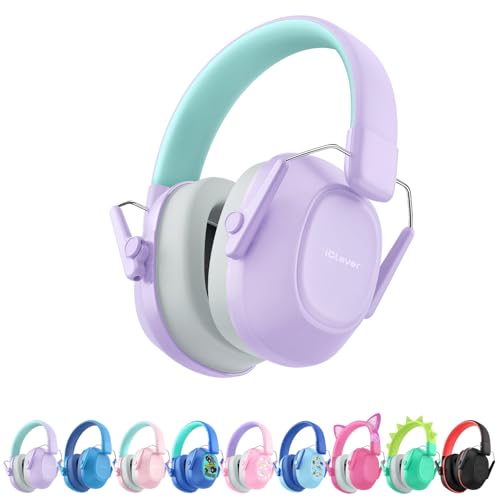 |
iClever EM01 29 dB Earmuffs | 29 dB SNR | Kids-and-adults design | Broad everyday use | View on Amazon | Read Review |
| Best Multi-Pack Value | 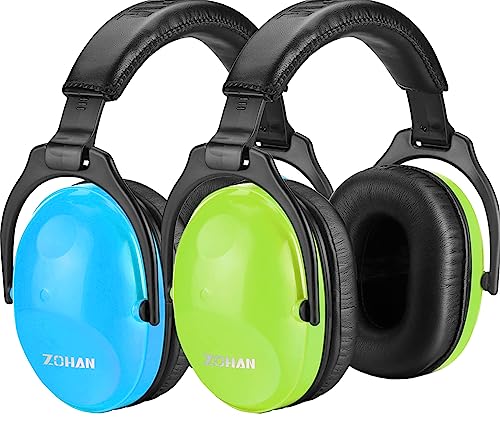 |
ZOHAN Kids 25 NRR Two-Pack | Two-pair bundle | Pillowy comfort pads | Kids-focused protection | View on Amazon | Read Review |
More Details on Our Top Picks
-
Dr.meter EM100 Noise-Cancelling Earmuffs
For families seeking one pair for kids and adults, the Dr.meter EM100 is a practical starting point. Its broad age positioning and earmuff design make it suitable for school, travel, household noise, or sensory-sensitive moments.
The listing identifies it as noise cancelling, but does not provide an attenuation rating, pad material, or fit-adjustment details. That missing information is the main limitation, especially if you need a measured protection level for concerts, motorsports, or other very loud settings.
- Brand:Dr.meter
- Product Type:Noise-cancelling earmuffs
- Age Range:Kids and adults
- Additional Feature:EM100 model
- Additional Feature:Noise-cancelling design
- Additional Feature:Earmuff construction
-
Dr.meter Autism Noise-Reduction Earmuffs
Designed with autism and sensory needs in mind, this Dr.meter model may suit quiet breaks, classrooms, errands, and other settings where sudden sound can feel overwhelming. The noise-reduction earmuff format offers a simple, non-electronic approach to lowering environmental noise.
The product listing does not state an NRR or SNR value, age range, or cushioning material. That makes it harder to compare with models that publish measured attenuation, so consider the missing rating before choosing it for high-volume environments.
- Brand:Dr.meter
- Product Type:Noise-reduction earmuffs
- Additional Feature:Autism-focused design
- Additional Feature:Noise reduction
- Additional Feature:Earmuff construction
-
Dr.meter C06 28 NRR Earmuffs
The C06 is the clearest choice here for adults who want a published 28 NRR rating. That number gives you a more useful comparison point for workshops, events, yard equipment, and other loud surroundings than a listing that only says “noise cancelling.”
Its stated audience is adults, and the listing does not identify pad material, adjustability, or a youth fit. The 28 NRR claim is useful, but it should not be treated as complete hearing protection guidance for every hazardous-noise situation.
- Brand:Dr.meter
- Product Type:Noise-reduction earmuffs
- Age Range:Adults
- Noise Rating:28 NRR
- Additional Feature:C06 model
- Additional Feature:28 NRR rating
- Additional Feature:Adult ear protection
-
Floriogra Kids 28 dB Earmuffs
For younger children, the Floriogra earmuffs offer a clearly stated kids and toddler focus. The listed 28 dB SNR rating gives you a measurable reference for school events, travel, fireworks, and other noisy occasions.
The listing does not specify whether the 28 dB figure reflects SNR testing standards or provide details about padding, headband adjustment, or maximum wear time. Because toddler fit can vary widely, sizing information would make the choice easier.
- Brand:Floriogra
- Product Type:Noise-reduction earmuffs
- Age Range:Kids and toddlers
- Noise Rating:28 dB SNR
- Additional Feature:Toddler-oriented design
- Additional Feature:28 dB SNR
- Additional Feature:Ear muff construction
-
iClever EM01 29 dB Earmuffs
The iClever EM01 suits households looking for one pair for children and adults, with a listed 29 dB SNR rating. That is the highest published SNR figure in this roundup, making it an appealing option for concerts, travel, classrooms, and everyday sensory support.
The listing does not explain the pad material, adjustment range, or how the fit differs between smaller children and adults. A single shared pair can be convenient, but fit still matters, since gaps around the ear can reduce practical noise blocking.
- Brand:iClever
- Product Type:Noise-reduction earmuffs
- Age Range:Kids and adults
- Noise Rating:29 dB SNR
- Additional Feature:EM01 model
- Additional Feature:29 dB SNR
- Additional Feature:Adult-and-child positioning
-
ZOHAN Kids 25 NRR Two-Pack
The ZOHAN set makes sense for families, classrooms, or caregivers who need two pairs ready at once. Its listed 25 NRR rating, child-focused design, and pillowy pads fit common use cases such as school, fireworks, concerts, monster truck events, and sensory breaks.
The rating is lower than the 28 NRR and 29 dB SNR claims elsewhere in this roundup, and the listing is aimed at kids rather than adults. Still, the blue-and-green pair can simplify shared use, backups, or keeping one set at home and another in a bag.
- Brand:ZOHAN
- Product Type:Noise-reduction earmuffs
- Age Range:Kids
- Noise Rating:25 NRR
- Pack Count:Two pairs
- Pad Material:Pillowy pads
- Additional Feature:Blue and green colors
- Additional Feature:Two-pair pack
- Additional Feature:Sensory-use positioning
Frequently Asked Questions
Are noise cancelling headphones suitable for autistic listeners?
They can be helpful for reducing steady background sounds and controlling sensory input, especially in offices, classrooms, airplanes, and busy public spaces. The best choice depends on individual preferences, because some listeners find ANC pressure, ear-cup warmth, or total isolation uncomfortable. Start with comfort, adjustable sound control, and a transparency mode rather than assuming the strongest ANC is automatically best. A model that feels predictable and easy to remove may be more useful than one with higher technical ratings.
Is active noise cancellation better than passive isolation?
ANC is usually better for low, continuous sounds such as aircraft engines, HVAC systems, and road noise. Passive isolation, created by the ear cushions and closed-back design, can reduce voices and sharper sounds without adding electronic processing. A combination of ANC and passive isolation usually offers the widest range of protection. Still, check whether the headphones produce a noticeable hiss or pressure sensation, as those effects can outweigh the benefits for some users.
How loud should headphones be used?
Use the lowest comfortable volume that makes speech, music, or other content clear. A practical safety approach is to keep regular listening below roughly 60% of maximum volume, take listening breaks, and enable a volume limit on the connected device when available. If ringing, muffled hearing, ear pain, or unusual sensitivity appears after listening, stop and seek professional medical advice. Noise-cancelling headphones reduce background noise, but they do not make high volume safe.
Should you choose over-ear or on-ear headphones?
Over-ear models usually provide stronger isolation and keep pressure off the outer ear, which can help during extended listening. Their larger size and warmer ear cups may bother some users, however, and they can feel heavy during travel. On-ear headphones are often lighter and easier to store, but the direct pressure on the ears may be uncomfortable. Check the ear-cup dimensions, clamp force, and headband adjustment rather than relying on the product category alone.
Can headphones be used in school, work, or public places?
Yes, but use depends on the setting and the level of awareness required. A transparency mode, clear microphone, and quick physical controls can make it easier to hear instructions while reducing distracting background noise. Agree on practical rules before use, such as removing the headphones for announcements, crossing roads, fire alarms, or direct conversation. For children, choose a secure fit and set a volume limit, then coordinate expectations with the school or caregiver.