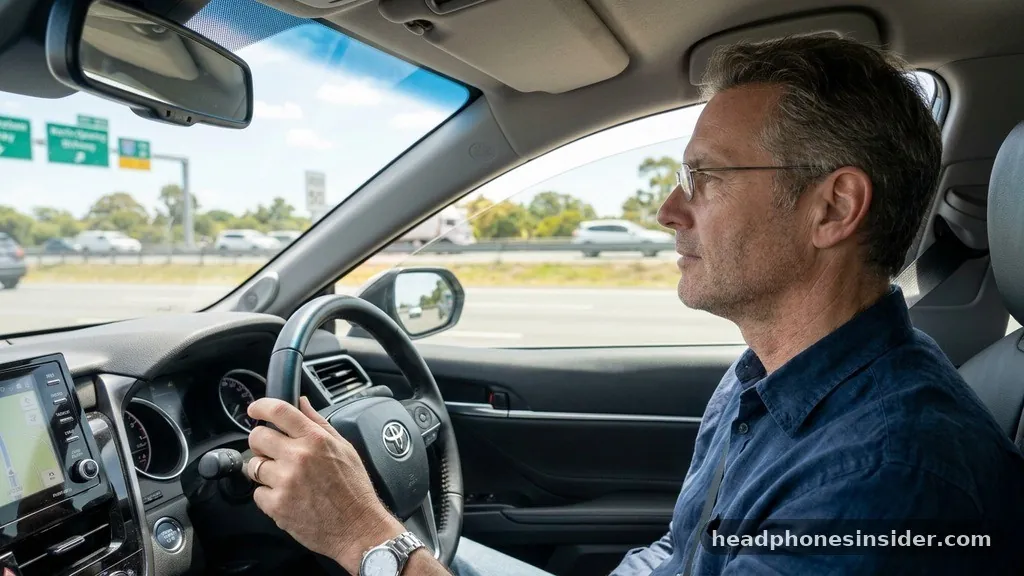
Navigating the complexities of traffic safety can be challenging, especially when it comes to the question of whether it is illegal to wear headphones while driving. Drivers often seek ways to stay connected or entertained during long commutes, leading many to wonder if their favorite pair of earbuds or noise-canceling headphones could result in a traffic violation or an accident.
The legality of this practice is not uniform across the country; instead, it depends entirely on the specific jurisdiction in which you operate your vehicle. Because local regulations vary significantly, understanding the nuances of how and where you can use audio devices is vital for every motorist to remain compliant and safe on the road.
The Legal Landscape of Wearing Headphones Behind the Wheel
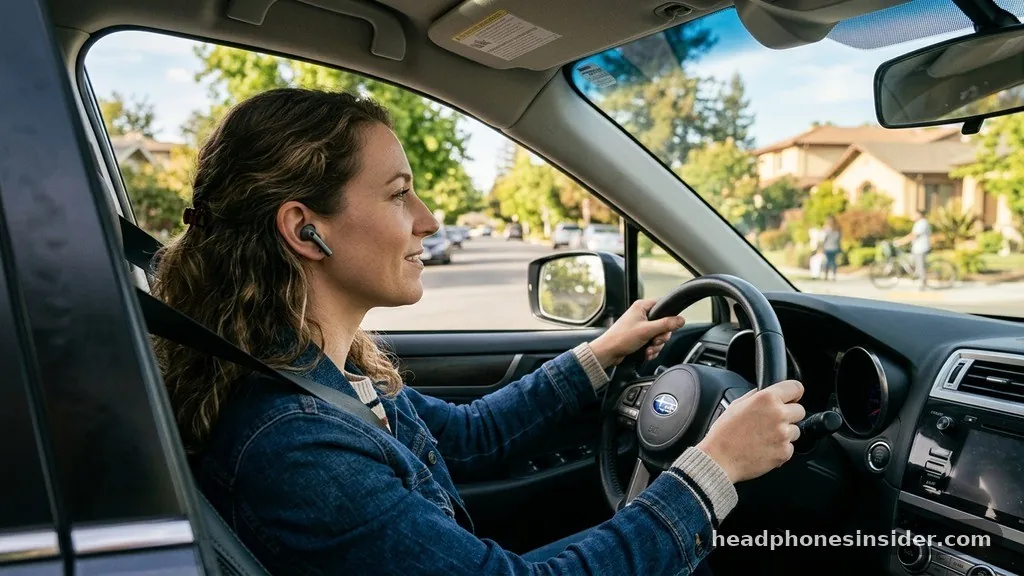
It is technically illegal to wear headphones while driving in several states, but the majority of jurisdictions have no explicit ban, provided the device does not obstruct the driver‘s ability to operate the vehicle safely. In places where it is restricted, the law often centers on the concept of “two-ear” versus “one-ear” usage. Many legislators argue that covering both ears with headphones creates a significant sensory deficit, preventing a driver from hearing emergency sirens, honking horns, or the subtle mechanical sounds of their own car that might indicate a problem.
When examining whether it is illegal to wear headphones while driving, one must look at the specific state statutes. For instance, in states like California and Maryland, the law is quite strict, often mandating that drivers leave at least one ear free to maintain situational awareness.
Conversely, other regions might have no specific mention of audio devices in their vehicle codes, leaving the matter to the discretion of law enforcement. If a police officer determines that a driver is distracted or unable to respond to auditory cues, they may cite the driver under a general “distracted driving” or “unsafe operation” statute, even if no specific law exists against the hardware itself.
Regional Variations and Specific State Restrictions
The regulatory framework for headphones driving varies wildly from the East Coast to the West Coast. In some states, the law is framed to protect the driver’s hearing capacity, while in others, it is about preventing the cognitive load associated with high-fidelity audio.
For example, in New York, the law specifically prohibits the use of more than one earphone at a time. This is a common compromise that allows for hands-free communication while ensuring that the driver remains connected to the environment outside the vehicle.
To better understand these regional differences, consider the following breakdown of how different states approach the issue of audio equipment in a motor vehicle:
- Strict Prohibition: Some states explicitly ban the use of headphones or earbuds that cover both ears, regardless of the audio content.
- Single-Ear Requirement: Many jurisdictions permit the use of a single earbud, allowing the driver to keep one ear open to traffic noise and sirens.
- General Distraction Laws: States without specific headphone bans may still penalize drivers if the use of audio equipment is deemed a contributing factor to erratic driving or a failure to yield.
- Motorcycle Exemptions: Many states provide specific exceptions for motorcyclists, allowing them to use integrated helmet communication systems that might otherwise be considered restricted headphones.
The Relationship Between Hearing and Road Safety
Hearing is a critical component of defensive driving. When you are behind the wheel, your ears act as a secondary radar, picking up information that your eyes might miss. Whether it is the distant wail of an ambulance, the screech of tires from a vehicle in your blind spot, or the unique rattle of a failing engine component, auditory input is essential.
When you choose to wear headphones, especially noise-canceling ones, you intentionally dampen these signals. This reduction in sensory input can lead to a delayed reaction time, which is a leading cause of a preventable accident.
The risk is not merely about the music or podcast you are listening to; it is about the physical obstruction of the ear canal. Modern earbuds are designed to provide an immersive experience, which is the exact opposite of what a driver needs while navigating complex traffic.
When a driver is wearing headphones, they effectively create a bubble that isolates them from the chaotic environment of the road. This isolation is dangerous because it limits the driver’s ability to hear external hazards, potentially delaying their response to an emergency situation.
Addressing Topical Gaps: Common Misconceptions

Many drivers believe that if they are not actively listening to music, it is legal to keep their headphones in. However, law enforcement officers often judge the situation based on the equipment visible. If an officer sees a driver with large over-the-ear headphones, they may pull the vehicle over under the assumption that the driver is impaired by the device.
Furthermore, there is a common misconception that hands-free Bluetooth devices are the same as headphones. In the eyes of many state laws, a dedicated hands-free car system is legal and encouraged, whereas personal audio devices like AirPods are treated differently because they are designed for individual consumption rather than communication.
Another frequent gap in public knowledge concerns the use of headphones by professional drivers. Commercial vehicle operators, such as truckers or bus drivers, are often held to a higher standard of safety. In many states, the federal and state regulations governing commercial licenses explicitly forbid the use of any device that restricts hearing.
If you are a commercial driver, the rules are significantly more stringent than they are for the average passenger car driver. You can review the Federal Motor Carrier Safety Administration guidelines to understand how these federal standards influence local enforcement regarding distracted driving and equipment usage.
Comparing Audio Device Regulations by State
Navigating the patchwork of local rules can be difficult, but organizing the information by category helps clarify what is generally expected of a driver. While this table provides a general overview, it is essential to check the vehicle code of your specific state or province, as laws are subject to change based on legislative updates.
| State Type | General Rule | Typical Compliance |
|---|---|---|
| Restrictive States | One ear must be free at all times | Use only one earbud; remove the other |
| Permissive States | No specific headphone ban | Use caution; focus on volume levels |
| Commercial Zones | Strict bans on all ear-covering devices | Use external speakers or hands-free kits |
| Motorcycle Specific | Integrated systems allowed | Use helmet-mounted speakers only |
The distinction between these states often comes down to the phrasing of their traffic laws. In some areas, the law is written to prohibit the wearing of any device that “impairs or interferes” with a driver’s hearing. This language is intentionally broad, allowing officers to interpret the situation based on the driver’s behavior rather than just the hardware in their ears.
The Hidden Dangers of Distracted Driving
Distracted driving is not limited to texting or looking at a phone screen; it includes any activity that takes your focus away from the primary task of operating a vehicle. Wearing headphones falls squarely into this category.
Even if you are not physically holding a device, the mental engagement required to listen to an audiobook, a podcast, or a complex song can pull your attention away from the road. When you combine this cognitive distraction with the physical obstruction of your hearing, you significantly increase the likelihood of being involved in an accident.
Research into traffic safety consistently shows that drivers who are distracted have slower reaction times. A driver who can hear a siren can begin to move over long before they see the emergency vehicle in their mirrors.
A driver who cannot hear that same siren might only react once the emergency vehicle is directly in their line of sight, potentially causing a collision or forcing an abrupt, dangerous maneuver. This is why many traffic safety experts advocate for the total avoidance of headphones while driving, regardless of the legality in a specific state.
Practical Tips for Staying Legal and Safe
If you want to enjoy audio while driving, there are safer, more legal ways to do so. The most effective method is to use the vehicle’s built-in sound system. Modern cars are designed to balance audio output with the ambient noise of the road, ensuring that you can still hear the outside world.
If your vehicle lacks Bluetooth or auxiliary input, consider installing an aftermarket hands-free kit. These systems are specifically designed to allow you to listen to audio or take calls without blocking your ears, keeping you compliant with even the strictest traffic laws.
If you must use a personal device, ensure that you are only using one earbud and keep the volume at a level where you can clearly hear external sounds. Avoid noise-canceling features entirely, as these are designed to isolate you from your surroundings—the exact opposite of what you want while driving.
By prioritizing your situational awareness, you protect yourself, your passengers, and everyone else on the road. Remember that your goal is to arrive safely at your destination, and no podcast or playlist is worth the risk of a citation or, worse, a serious collision.
Conclusion
Determining if it is illegal to wear headphones while driving requires a look at your local state statutes, as there is no single federal rule covering the entire country. While many states permit the use of a single earbud, others impose strict bans to ensure that drivers maintain full auditory access to their environment. The safest approach is to utilize your vehicle’s sound system or dedicated hands-free equipment, which allows for entertainment without compromising your ability to hear emergency sirens or traffic hazards.
Prioritizing your awareness on the road is a fundamental aspect of defensive driving. By keeping your ears open and your focus sharp, you reduce the risk of accidents and ensure compliance with traffic laws.
If you are ever in doubt about the specific regulations in your area, consult your local Department of Motor Vehicles website or review the latest version of your state’s driver handbook. Stay alert, keep your ears clear, and always put road safety above personal convenience.
Frequently Asked Questions
Can I be pulled over for wearing headphones while driving?
Yes, in many jurisdictions, an officer can pull you over if they observe you wearing headphones, especially if the state has a specific law against it or if they believe the device is causing you to drive distractedly or unsafely.
Is it safer to wear just one earbud while driving?
While some states explicitly allow the use of a single earbud, it is still technically a form of distraction. Using one earbud is generally safer than two because it maintains a connection to external sounds, but using the car’s speakers remains the safest practice.
Are noise-canceling headphones illegal to wear while driving?
While few states name “noise-canceling” technology specifically in their statutes, these devices are highly discouraged and often fall under broad distracted driving laws. Because they actively block out traffic noise, they are considered a significant safety hazard by most traffic authorities and law enforcement agencies.
Do traffic laws for headphones apply to motorcycles as well?
Motorcycle laws are often unique. Many states allow integrated speakers or communication systems built into helmets, as these are designed for safety and navigation. However, standard over-the-ear headphones or earbuds are usually subject to the same restrictions as those for passenger car drivers.