

Voices blur beneath the television, while a phone call arrives as a faint, tinny thread. For anyone wearing hearing aids, ordinary listening can become a tug between clarity, comfort, and unwanted feedback.
The best headphones for people with hearing aids need more than a Bluetooth label. This roundup compares designs built for different listening routines, so keep reading to see which details deserve your attention.
Key Takeaways
- Prioritize earcup depth and soft padding, since pressure against hearing aids can cause discomfort and feedback.
- Check Bluetooth compatibility and latency, especially if you need synchronized dialogue from a television.
- Choose open-ear or bone-conduction designs when covering the ears could interfere with hearing-aid microphones.
- Look for independent volume control, simple buttons, and clear left-right labeling if adjustments need to happen quickly.
- Treat hearing amplifiers as assistive listening devices, not substitutes for professionally fitted hearing aids or medical guidance.
| Flexible Listening |  |
ZIHNIC Over-Ear Bluetooth Headphones | Bluetooth and wired modes | Soft over-ear earmuffs | MicroSD and FM support | View on Amazon | Read Review |
| Dual-Purpose Support |  |
Edifier OTC Bluetooth Neckband | Hearing aid and headphone functions | Bluetooth audio support | Neckband wearing style | View on Amazon | Read Review |
| Living Room Listener |  |
Wireless TV Over-Ear Headphones | Designed for TV listening | Soft lightweight earmuffs | Supports multiple devices | View on Amazon | Read Review |
| Open-Ear Movement |  |
Shokz OpenRun Pro 2 Mini | Bone conduction listening | Open-ear design | Bluetooth sport use | View on Amazon | Read Review |
| Simple Sound Assistance |  |
SuperEar SE5000 Hearing Amplifier | Dedicated sound amplification | Headphone-based listening | Senior-friendly purpose | View on Amazon | Read Review |
| TV Conversation Helper | WallarGe Rechargeable Neckband Amplifier | Rechargeable power | Neckband wearing style | Adjustable volume control | View on Amazon | Read Review | |
| Adjustable Voice Focus |  |
Joanbro 50dB Sound Amplifier | Up to 50dB gain | Headphones and earbud included | Three tone settings | View on Amazon | Read Review |
| Battery-Free Convenience | Rechargeable Senior Hearing Amplifier | Rechargeable design | Senior-focused format | General sound assistance | View on Amazon | Read Review | |
| Pocket Conversation Aid |  |
Williams Sound Pocketalker Ultra | Pocket-sized amplifier | Headphones and earbuds included | Year supply of batteries | View on Amazon | Read Review |
| App-Controlled Adjustment | 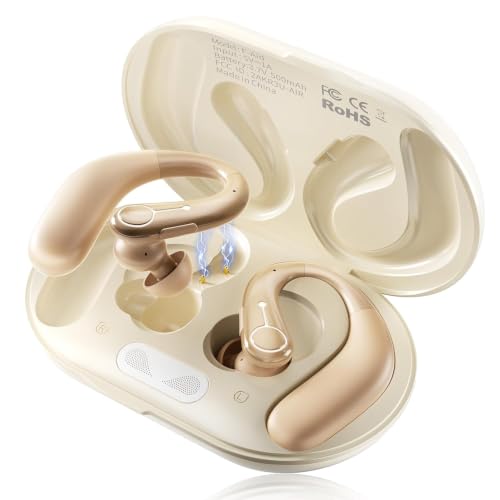 |
Rechargeable Bluetooth Hearing Aids | Bluetooth connectivity | Rechargeable power | App control | View on Amazon | Read Review |
More Details on Our Top Picks
-
ZIHNIC Over-Ear Bluetooth Headphones
For straightforward everyday listening, the ZIHNIC headphones offer a useful mix of wireless Bluetooth and wired playback. The over-ear design, soft earmuffs, and lightweight build may help you wear them more comfortably over longer sessions, including alongside many hearing aids.
You also get microSD/TF playback and an FM radio mode, giving you listening options beyond a phone or computer. The limitation is that the listing does not specify earcup dimensions, so you should check the fit carefully if your hearing aids are large or sit behind the ear.
- Brand:ZIHNIC
- Product Type:Over-ear headphones
- Connectivity:Bluetooth, wired
- Wearing Style:Over-ear
- Included Accessories:Not specified
- Additional Feature:Foldable design
- Additional Feature:MicroSD/TF card playback
- Additional Feature:Built-in FM radio
-
Edifier OTC Bluetooth Neckband
Edifier’s OTC neckband is aimed at you if you want hearing assistance and Bluetooth audio in one wearable device. Its 2-in-1 format may simplify daily use, especially if switching between conversations, entertainment, and phone calls feels cumbersome.
The neckband design keeps the main hardware off your ears, which can reduce crowding around behind-the-ear devices. The listing does not provide details about fitting, amplification controls, or battery life, so it may require closer review before purchase for specific hearing-aid needs.
- Brand:Edifier
- Product Type:OTC hearing aids
- Connectivity:Bluetooth
- Wearing Style:Neckband
- Additional Feature:Two-in-one design
- Additional Feature:Adult-oriented configuration
- Additional Feature:Audio listening support
-
Wireless TV Over-Ear Headphones
This model suits you if TV listening is the main priority and you want headphones that can also connect to a PC or cellphone. Soft earmuffs and a lightweight over-ear structure are useful for longer viewing sessions, particularly when comfort matters as much as volume.
The headphones advertise HiFi stereo sound and a Deep DASS feature for enhanced audio processing. Still, the listing does not clarify whether the headphones connect directly to a television or require a transmitter, and the enclosed earcups may feel tight around larger hearing aids.
- Brand:Not specified
- Product Type:Wireless over-ear headphones
- Connectivity:Bluetooth
- Wearing Style:Over-ear
- Included Accessories:Not specified
- Additional Feature:HiFi stereo audio
- Additional Feature:Deep DASS sound feature
- Additional Feature:Cellphone and PC support
-
Shokz OpenRun Pro 2 Mini
The OpenRun Pro 2 Mini is a strong fit for active listening if conventional earcups interfere with your hearing aids. Its bone conduction design leaves the ear canals open, while Bluetooth keeps the setup free from dangling wires during walks or workouts.
The Mini version is intended for a smaller fit, which can help with stability during movement. Open-ear audio provides less sound isolation than over-ear headphones, however, so traffic, wind, and crowded environments may compete with what you hear.
- Brand:Shokz
- Product Type:Bone conduction headphones
- Connectivity:Bluetooth
- Wearing Style:Open-ear
- Included Accessories:Not specified
- Additional Feature:Mini fit
- Additional Feature:Sport-oriented design
- Additional Feature:Black finish
-
SuperEar SE5000 Hearing Amplifier
The SuperEar SE5000 is suited to you if you need a basic personal sound amplifier for conversations, television, or other nearby listening. Its headphone-based format keeps the amplification controls and audio output together, which may feel more familiar than small in-ear devices.
The design is marketed toward seniors and focuses on straightforward sound enhancement rather than smartphone features. It is not presented as a Bluetooth headphone or a prescription hearing aid, and the available listing does not specify gain range, battery type, or headphone fit.
- Brand:SuperEar
- Product Type:Hearing amplifier
- Wearing Style:Headphones
- Additional Feature:SE5000 model
- Additional Feature:Personal listening assistance
- Additional Feature:Conversation support
-
WallarGe Rechargeable Neckband Amplifier
WallarGe makes sense for you if you want rechargeable amplification for conversations or television without managing disposable batteries. The neckband keeps the device close to your body, while volume control lets you adjust listening levels as needed.
The listing also identifies Bluetooth earphones, giving the product a broader role than a basic amplifier. Because the description does not explain how Bluetooth audio and amplified environmental sound work together, confirm that arrangement before choosing it for regular TV use.
- Brand:WallarGe
- Product Type:Digital hearing amplifier
- Connectivity:Bluetooth
- Wearing Style:Neckband
- Power Source:Rechargeable
- Additional Feature:Conversation listening mode
- Additional Feature:TV listening support
- Additional Feature:Bluetooth earphones
-
Joanbro 50dB Sound Amplifier
This Joanbro amplifier is a practical option if you want multiple listening formats and more control over how nearby voices sound. The package is described with headphones and an earbud, while three microphone types may help you select a setup for different listening situations.
You also get three tone settings, volume control, and up to 50dB gain according to the listing. That flexibility can be useful, but high amplification may also make background noise uncomfortable, and the product is a personal sound amplifier rather than a prescription hearing aid.
- Brand:Joanbro
- Product Type:Personal sound amplifier
- Wearing Style:Headphones or earbud
- Included Accessories:Headphones, earbud
- Additional Feature:Three microphone types
- Additional Feature:Three tone controls
- Additional Feature:Voice enhancement
-
Rechargeable Senior Hearing Amplifier
Choose this style if you want a rechargeable hearing amplifier without the ongoing need for replaceable batteries. Its senior-focused design suggests a simple approach for everyday speech and general sound assistance.
The main appeal is convenience, especially for anyone who finds small battery changes frustrating. The listing does not identify the brand, controls, fit style, amplification range, or charging method, so you will need those details before judging comfort and suitability with existing hearing aids.
- Brand:Not specified
- Product Type:Hearing amplifier
- Power Source:Rechargeable
- Additional Feature:Designed for seniors
- Additional Feature:Hearing assistance format
- Additional Feature:Battery replacement not required
-
Williams Sound Pocketalker Ultra
The Pocketalker Ultra fits you if you prefer a simple handheld amplifier for conversations, television, or one-on-one listening. Its pocket-sized format keeps the controls within reach, and the package includes headphones plus hearing-assist earbuds for more than one listening style.
A year supply of batteries adds practical convenience and reduces interruptions from frequent replacements. This is a personal assistive listening device, not a Bluetooth headphone or prescription hearing aid, so it may be less suitable if you want wireless streaming or automatic sound processing.
- Brand:Williams Sound
- Product Type:Hearing amplifier
- Power Source:Batteries
- Included Accessories:Headphones, hearing-assist earbuds
- Additional Feature:Easy-to-use controls
- Additional Feature:Conversation listening support
- Additional Feature:Television listening support
-
Rechargeable Bluetooth Hearing Aids
This option is aimed at you if Bluetooth streaming and app-based controls matter more than a traditional pocket amplifier. Rechargeable hearing aids can simplify daily charging, while app control may let you adjust settings from a compatible smartphone.
The combination of wireless connectivity and digital controls gives this model a modern feature set for phone calls and audio playback. The listing does not name the app, supported operating systems, fit style, or hearing profile, so confirm compatibility before relying on it with your phone or existing devices.
- Brand:Not specified
- Product Type:Bluetooth hearing aids
- Connectivity:Bluetooth
- Power Source:Rechargeable
- Additional Feature:Smartphone app control
- Additional Feature:Designed for seniors
- Additional Feature:Wireless audio support
Frequently Asked Questions
Can I Wear Headphones Over My Hearing Aids?
Yes, many people can wear over-ear headphones over hearing aids, especially models with deep earcups and moderate clamping force. The fit should not press the devices into your ears or cause feedback, discomfort, or whistling. Start with a low volume and check whether the hearing aids switch programs or react to the headphone signal. If feedback continues, ask an audiologist about adjustments to the hearing-aid settings or earmold fit.
Are Noise-Cancelling Headphones Safe With Hearing Aids?
Noise cancellation is generally compatible with hearing aids, but it can reduce awareness of nearby voices, alarms, and traffic. Use transparency mode in shared or outdoor spaces, and keep the volume at the lowest level that provides clear sound. Some hearing aids also have their own noise reduction, so combining both systems may make speech sound less natural. Compare the settings and keep whichever combination gives you the clearest speech with the least volume.
Do I Need Bluetooth Headphones If My Hearing Aids Stream Audio?
Not always. If your hearing aids support direct phone streaming, your phone may send calls, music, and other audio straight to them, making separate headphones unnecessary for many situations. Headphones can still help with shared listening, computer use, or devices that do not support your hearing-aid connection. Check whether you need a Bluetooth transmitter, a hearing-aid accessory, or a wired connection for older equipment.
Will Headphones Cause Feedback Or Whistling?
They can, particularly if the earcups press against the hearing aids or allow amplified sound to leak back into the microphones. Deep earcups, a comfortable fit, and moderate volume reduce the risk. Feedback may also signal a hearing-aid fit or programming issue rather than a headphone problem. If it happens with several headphone styles, contact your audiologist instead of simply turning up the volume, which usually makes the situation less cooperative.
What Volume Is Safe With Hearing Aids And Headphones?
Use the lowest level that lets you hear clearly, and take regular listening breaks. A practical guide is the 60/60 approach, keeping volume near 60% or lower and taking a break after roughly 60 minutes, although safe levels also depend on the headphones, source device, and listening environment. Watch for ringing, muffled hearing, ear fatigue, or discomfort after listening. Those signs mean the volume or listening time is too high, and an audiologist can help set safer limits for your hearing needs.