

Years ago, tracking headphones were mostly bulky studio tools, built for cables, isolation, and long sessions. Now, wireless designs, active noise cancellation, and compact earbuds have joined the studio conversation.
That wider range can make the right fit less obvious, especially when accuracy matters more than flashy extras. This comparison of the best headphones for tracking examines the details that shape monitoring, comfort, and everyday recording work.
Key Takeaways
- Choose a closed-back design to reduce microphone bleed during vocal and instrument tracking.
- Prioritize a balanced sound signature so recorded details are easier to judge accurately.
- Check comfort and clamp pressure, since tracking sessions can last several hours.
- Pick a wired connection for zero latency, or confirm low-latency support before using wireless headphones for live monitoring.
- Match the earbud or over-ear fit to the recording environment, isolation needs, and portability demands.
| Flexible Home Monitor | 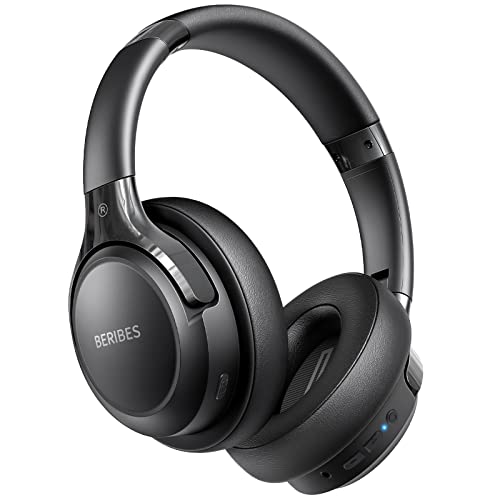 |
BERIBES Over-Ear 65H Headphones | 65-hour battery | Six EQ modes | Comfortable over-ear design | View on Amazon | Read Review |
| Entry Studio Monitor |  |
Audio-Technica ATH-M20x Wired Monitor | Closed-back monitoring | Wired, low-latency connection | Studio-focused design | View on Amazon | Read Review |
| Quiet Mobile Monitoring |  |
Hybrid ANC Bluetooth Headphones | Hybrid noise cancellation | Wireless listening | Useful for travel | View on Amazon | Read Review |
| Compact Reference Pair | 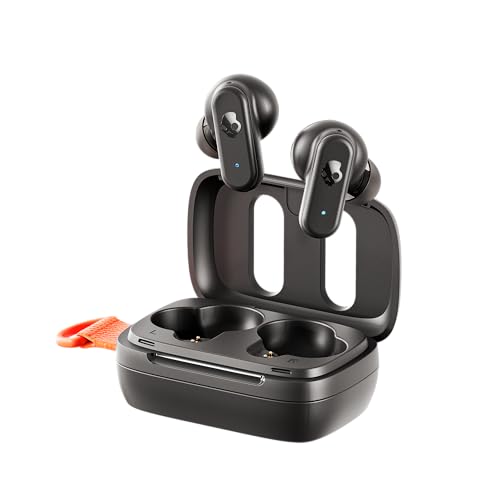 |
Skullcandy Dime 3 Earbuds | Very compact design | True-wireless convenience | Easy portable reference | View on Amazon | Read Review |
| Versatile Tracking Workhorse |  |
Audio-Technica ATH-M50x Detachable | Detachable cable | Closed-back monitoring | Detailed studio presentation | View on Amazon | Read Review |
| Workout Tracking Companion |  |
JOYWISE Wireless Earbuds, 16-Hour | 16-hour playtime | Gym-friendly design | Cable-free listening | View on Amazon | Read Review |
| Adaptive Noise Control | 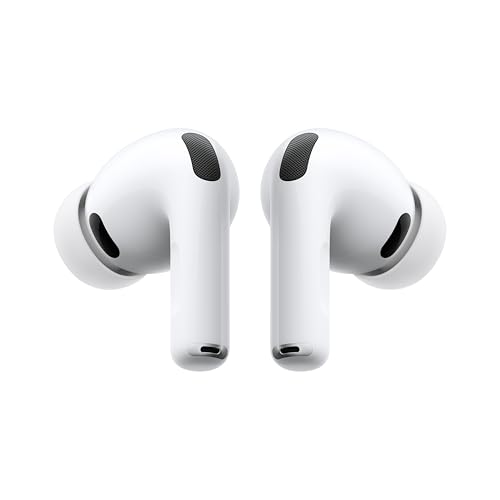 |
Apple AirPods Pro 3 ANC | Active noise cancellation | Compact in-ear fit | Convenient wireless use | View on Amazon | Read Review |
| Proven Recording Standard |  |
Sony MDR7506 Professional Monitor | Large-diaphragm drivers | Closed-back monitoring | Reliable wired connection | View on Amazon | Read Review |
| Budget Recording Utility | 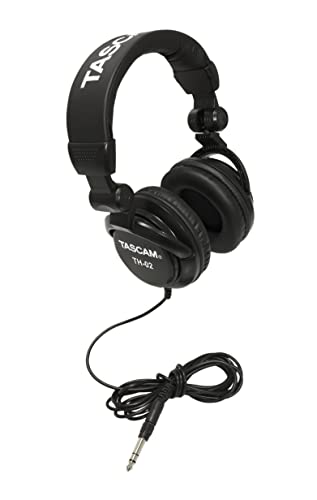 |
TASCAM TH-02 Wired Monitor | Includes 1/4-inch adapter | Wired studio connection | Over-ear listening | View on Amazon | Read Review |
| Dual-Mode Studio Listener |  |
OneOdio A70 Bluetooth Over-Ear | Bluetooth and wired use | Over-ear design | DJ-friendly format | View on Amazon | Read Review |
More Details on Our Top Picks
-
BERIBES Over-Ear 65H Headphones
If you need one affordable pair for casual tracking, editing, and everyday listening, the BERIBES headphones offer a practical starting point. The advertised 65-hour battery supports long sessions, while six EQ modes let you adjust the presentation for different types of material.
Bluetooth keeps the setup uncluttered, and the over-ear design should provide a more comfortable fit than small earbuds. The main limitation is that wireless listening and EQ presets may not deliver the neutral response needed for highly precise studio decisions.
- Brand:BERIBES
- Type:Over-ear headphones
- Connection:Bluetooth
- Fit:Over-ear
- Battery Life:65 hours
- Additional Feature:HiFi stereo playback
- Additional Feature:Six equalizer modes
- Additional Feature:Wireless listening
-
Audio-Technica ATH-M20x Wired Monitor
The ATH-M20x makes sense for entry-level recording, podcasting, and basic mixing, especially when you want a wired signal with no Bluetooth delay. Its closed-back construction helps reduce sound leakage, and the monitor-focused tuning is more appropriate for tracking than heavily bass-boosted consumer headphones.
You get a familiar studio format, a secure over-ear fit, and dependable compatibility with audio interfaces. The limitation is a relatively straightforward feature set, with no wireless mode or active noise cancellation for mobile use.
- Brand:Audio-Technica
- Type:Studio monitor headphones
- Connection:Wired
- Fit:Over-ear
- Noise Control:Passive isolation
- Additional Feature:Closed-back earcups
- Additional Feature:Monitor-focused tuning
- Additional Feature:Audio interface friendly
-
Hybrid ANC Bluetooth Headphones
Choose this pair for mobile recording environments where outside noise can interfere with concentration. Hybrid active noise cancellation is the key feature, and Bluetooth provides convenient listening without a cable attached to your device.
That convenience comes with a tradeoff for tracking: ANC processing and Bluetooth latency can affect timing and tonal judgment. Use it for location checks, reference listening, and travel, but keep a wired monitor nearby for final recording decisions.
- Type:Wireless headphones
- Connection:Bluetooth
- Noise Control:Hybrid ANC
- Additional Feature:Active noise cancellation
- Additional Feature:Wireless headphone format
- Additional Feature:Mobile-friendly listening
-
Skullcandy Dime 3 Earbuds
The Dime 3 suits quick checks, casual vocal recording, and portable reference listening rather than full studio monitoring. Its true-wireless in-ear design is compact, easy to carry, and less cumbersome than over-ear headphones during commutes or short sessions.
For tracking, the small form factor is the main advantage, while Bluetooth keeps your phone or tablet setup simple. The limitation is that earbud fit and consumer-oriented voicing can make detailed balance judgments less reliable than with wired studio monitors.
- Brand:Skullcandy
- Type:True-wireless earbuds
- Connection:Bluetooth
- Fit:In-ear
- Additional Feature:Single-earbud listening
- Additional Feature:Compact charging case
- Additional Feature:True Black finish
-
Audio-Technica ATH-M50x Detachable
The ATH-M50x is a strong choice for serious home recording, instrument tracking, and detailed editing. Its closed-back monitor design helps contain bleed, while the detachable cable makes it easier to replace a damaged lead or switch cable lengths.
You also get a more flexible studio tool than a basic fixed-cable model, with a sound signature suited to checking detail across vocals, guitars, and electronic parts. The limitation is that its presentation may feel more energetic than strictly flat, so final mix decisions still benefit from speaker checks.
- Brand:Audio-Technica
- Type:Studio monitor headphones
- Connection:Wired
- Fit:Over-ear
- Noise Control:Passive isolation
- Additional Feature:Detachable cable design
- Additional Feature:Closed-back earcups
- Additional Feature:Professional studio format
-
JOYWISE Wireless Earbuds, 16-Hour
JOYWISE earbuds are aimed at gym sessions and active recording, where a small wireless design is more convenient than bulky studio headphones. The advertised 16-hour playtime supports repeated workouts, and Bluetooth removes the cable from your routine.
They work best for cue listening, vocal warmups, and quick reference checks rather than precision mixing. The honest drawback is that in-ear consumer earbuds generally offer less consistent tonal judgment and less protection from room sound than closed-back monitors.
- Brand:JOYWISE
- Type:Wireless earbuds
- Connection:Bluetooth
- Fit:In-ear
- Battery Life:16 hours
- Additional Feature:Workout-oriented design
- Additional Feature:Wireless playback
- Additional Feature:Compact earbud format
-
Apple AirPods Pro 3 ANC
AirPods Pro 3 fit best into mobile production workflows, especially when you need to review tracks in noisy offices, transit areas, or shared spaces. Active noise cancellation helps reduce distractions, and the in-ear form keeps the setup small and easy to carry.
For professional tracking, treat them as a secondary reference rather than your main monitor. Wireless latency and processed sound can influence timing and tonal balance, while the compact design provides less passive isolation than many over-ear studio models.
- Brand:Apple
- Type:Wireless earbuds
- Connection:Bluetooth
- Fit:In-ear
- Noise Control:Active noise cancellation
- Additional Feature:Active noise cancellation
- Additional Feature:True-wireless design
- Additional Feature:Portable listening format
-
Sony MDR7506 Professional Monitor
The MDR7506 is built for recording booths, broadcast work, and studio tracking, where a wired connection and clear monitoring matter more than wireless convenience. Its large-diaphragm design supports detailed listening, while the closed-back format helps limit microphone bleed.
This is a practical pick for vocalists, engineers, and anyone who needs a familiar monitoring reference. The limitation is its older, utilitarian design, and its emphasized detail may make the sound less neutral than some modern mixing headphones.
- Brand:Sony
- Type:Professional monitor headphones
- Connection:Wired
- Fit:Over-ear
- Noise Control:Passive isolation
- Additional Feature:Large-diaphragm design
- Additional Feature:Folding construction
- Additional Feature:Coiled cable
-
TASCAM TH-02 Wired Monitor
The TH-02 is a sensible fit for basic recording, podcasting, DJ work, and guitar practice, particularly when you need a wired pair with broad device compatibility. Its over-ear design supports longer sessions, and the included 1/4-inch adapter works with common studio and instrument equipment.
It is useful as a straightforward tracking monitor for home setups and shared studios. The limitation is that its entry-level construction and tuning may not reveal subtle mix problems as clearly as higher-tier studio headphones.
- Brand:TASCAM
- Type:Studio monitor headphones
- Connection:Wired
- Fit:Over-ear
- Noise Control:Passive isolation
- Additional Feature:1/4-inch jack adapter
- Additional Feature:Recording-friendly design
- Additional Feature:DJ-ready format
-
OneOdio A70 Bluetooth Over-Ear
The OneOdio A70 is a useful choice if you want wireless convenience for everyday listening and a wired option for recording or DJ sessions. Its over-ear construction provides a familiar monitoring format, while the Hi-Res wired positioning makes it more adaptable than a Bluetooth-only pair.
That dual-mode approach suits creators who move between a desk, a rehearsal space, and general listening. The limitation is that Bluetooth remains less suitable for latency-sensitive tracking, so use the wired connection for recording and overdubbing.
- Brand:OneOdio
- Type:Over-ear headphones
- Connection:Bluetooth and wired
- Fit:Over-ear
- Additional Feature:Hi-Res wired listening
- Additional Feature:Dual-mode operation
- Additional Feature:DJ studio design
Frequently Asked Questions
Are closed-back headphones best for tracking?
Usually, yes. Closed-back headphones limit sound leakage, which helps keep the cue mix out of a vocal or instrument microphone. They also help performers hear detail in a noisy room, although strong isolation can feel less natural than open-back designs. Use open-back headphones mainly for mixing or quiet listening, not for microphone recording.
What impedance should tracking headphones have?
32 to 80 ohms is a practical range for most audio interfaces, mixers, laptops, and portable recording devices. These models generally reach suitable volume without requiring a separate amplifier. Headphones rated at 250 ohms or higher can work well, but confirm that the headphone output can drive them adequately. Low volume, weak bass, or audible distortion can signal an output mismatch.
Do tracking headphones need a flat response?
A reasonably balanced response is helpful, but tracking headphones do not need to meet the same priorities as mixing headphones. Choose a model with clear mids, controlled bass, and no piercing treble so performers can hear pitch, timing, and articulation. Avoid headphones with heavily boosted bass or treble. Exciting sound may seem appealing, but it can make a cue mix less reliable and encourage unnecessarily high listening levels.
How loud should headphones be during recording?
Set the level high enough to hear the cue mix clearly, but keep it below the point of discomfort or ringing. Aim for short-term comfort, especially during long sessions, and lower the volume between takes when possible. If the performer keeps asking for more volume, improve the cue mix first by raising the vocal or instrument they need to hear, reducing competing tracks, or using a stronger headphone amplifier. Louder is not always clearer.
Can one pair of headphones work for tracking and mixing?
One pair can handle both tasks, especially if it has a balanced sound and good isolation. Closed-back headphones are practical for tracking and can support basic editing and mix decisions. For detailed final mixing, open-back headphones or studio monitors often provide a more spacious reference. If the budget allows, use closed-back headphones for recording and a second, more neutral system for critical mix work.