

Many players assume the best guitar headphones are simply the ones with the biggest sound. That shortcut misses the real issue: guitar monitoring depends on how clearly you hear tone, timing, and unwanted noise.
This comparison brings together wired studio models and wireless guitar gear, from familiar monitoring designs to purpose-built amp systems. Keep reading to see which specifications deserve your attention before you choose.
Key Takeaways
- Prioritize closed-back earcups if you need isolation for practice, recording, or shared rooms.
- Check the driver size and frequency range, but give greater weight to clear, balanced monitoring than oversized bass.
- Confirm the connector type, especially 3.5 mm and 6.35 mm compatibility for amps, interfaces, keyboards, and mixers.
- Choose wired headphones for low-latency monitoring, or wireless equipment with dedicated guitar processing for cable-free practice.
- Review comfort details, including padding, clamp pressure, weight, and earcup size, because long sessions expose every weak point.
| Direct Guitar Monitor |  |
OneOdio Wired DJ Headphones | Wired guitar compatibility | Over-ear listening | DJ-style monitoring | View on Amazon | Read Review |
| Studio Session Pick | 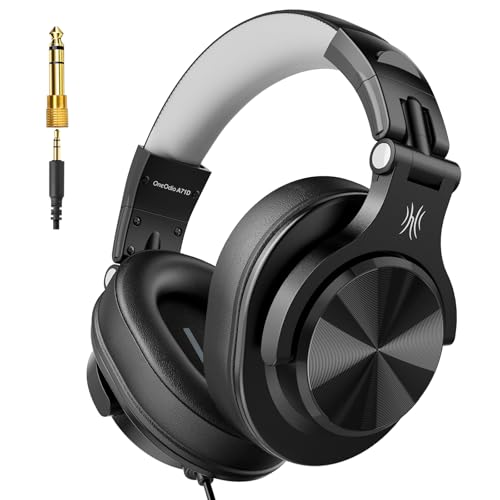 |
OneOdio A71D Wired Headphones | Over-ear studio format | Wired signal path | Hi-Res audio support | View on Amazon | Read Review |
| Adapter Ready | 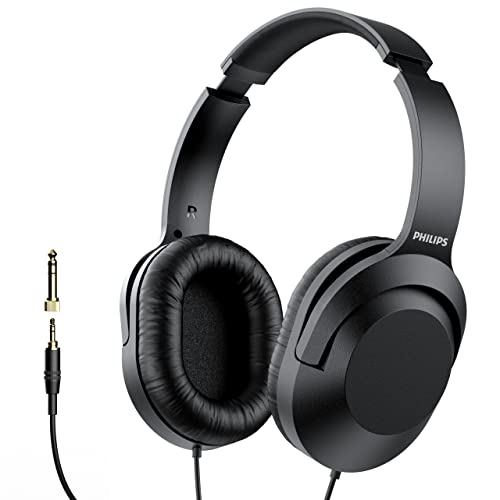 |
Philips Wired Studio Headphones | Included 6.3mm adapter | Studio monitoring focus | Broad recording use | View on Amazon | Read Review |
| Cable Free Practice |  |
Positive Grid Spark NEO | Wireless guitar practice | Built-in headphone amp | Smart rig format | View on Amazon | Read Review |
| Mixing Workhorse |  |
OneOdio A71 Wired Headphones | Wired studio monitoring | DJ-friendly design | Mixing-oriented use | View on Amazon | Read Review |
| Reference Monitor |  |
Audio-Technica ATH-M20x | Professional monitor design | Suitable for recording | Wired studio use | View on Amazon | Read Review |
| Recording Classic |  |
Sony MDR-7506 Studio Headphones | Professional monitoring focus | Large-diaphragm design | Guitar setup compatible | View on Amazon | Read Review |
| Budget Monitoring |  |
Wired Over-Ear Studio Headphones | Over-ear listening | Wired studio format | DJ monitoring use | View on Amazon | Read Review |
| Wireless Listening |  |
OneOdio A70 Bluetooth Headphones | Bluetooth convenience | Wired listening option | Over-ear studio format | View on Amazon | Read Review |
| Dual Plug Choice |  |
PUPGSIS M20 50mm Headphones | 50 mm drivers | Dual connector support | Studio monitoring use | View on Amazon | Read Review |
More Details on Our Top Picks
-
OneOdio Wired DJ Headphones
For guitarists who want a straightforward listening setup, this OneOdio model is a sensible starting point. Its wired connection, over-ear design, and DJ-focused positioning suit guitar, keyboard, computer, and general monitoring work.
The main limitation is flexibility: there is no wireless mode or built-in guitar amp listed. You will need a compatible guitar interface, amplifier, or mixer between the instrument and headphones.
- Brand:OneOdio
- Connection:Wired
- Headphone Type:Over-ear
- Use Case:Guitar, keyboard, PC
- Additional Feature:Hi-Res audio labeling
- Additional Feature:DJ headphone design
- Additional Feature:Black finish
-
OneOdio A71D Wired Headphones
The A71D fits players who want a wired studio headphone for practice, recording, or desktop listening. Its over-ear format and DJ-monitoring focus make it suitable for guitar setups where simplicity matters more than wireless convenience.
There is no guitar amp or special instrument processor listed, so the A71D works as the monitoring side of the setup rather than the entire rig. You will also need to confirm the connector requirements for your interface or amplifier.
- Brand:OneOdio
- Connection:Wired
- Headphone Type:Over-ear
- Use Case:Studio monitoring
- Additional Feature:DJ headphone styling
- Additional Feature:Hi-Res audio labeling
- Additional Feature:A71D model design
-
Philips Wired Studio Headphones
Choose this Philips model if your setup includes both 3.5 mm and 6.3 mm connections. The included quarter-inch adapter is particularly useful for guitar amplifiers, audio interfaces, keyboards, and studio equipment.
It also suits podcasts, recording, and computer listening, giving you broader use than a guitar-only headset. The tradeoff is a fully wired design, with no wireless option or dedicated guitar effects listed.
- Brand:Philips
- Connection:Wired
- Headphone Type:Over-ear
- Use Case:Recording, guitar, keyboard
- Included Adapter:6.3 mm
- Additional Feature:Podcast listening support
- Additional Feature:Computer compatibility
- Additional Feature:Stereo headphone design
-
Positive Grid Spark NEO
The Spark NEO is aimed squarely at guitarists who want a wireless headphone amp rather than ordinary headphones connected to another device. Its smart rig format points to a more complete practice system, with headphone listening and guitar-focused signal processing built into one product.
That added functionality should appeal to quiet practice sessions, home playing, and players who dislike cables crossing the floor. It is less suitable if you only need basic headphones for a phone, computer, or traditional studio monitor setup.
- Brand:Positive Grid
- Connection:Wireless
- Headphone Type:Guitar headphone amp
- Use Case:Guitar practice
- Additional Feature:Spark NEO system
- Additional Feature:Integrated rig functionality
- Additional Feature:Cable-free listening
-
OneOdio A71 Wired Headphones
The A71 is a good match for DJ work, mixing, and guitar monitoring when a direct wired connection is preferred. Its over-ear studio design keeps the focus on listening, without adding amp simulations or wireless controls.
Because it is a conventional headphone model, you will need separate guitar hardware for effects and amplification. That keeps the signal chain simple, but it offers fewer practice features than the Positive Grid option.
- Brand:OneOdio
- Connection:Wired
- Headphone Type:Over-ear
- Use Case:DJ, mixing, guitar
- Additional Feature:Hi-Res audio labeling
- Additional Feature:A71 model design
- Additional Feature:Black finish
-
Audio-Technica ATH-M20x
The ATH-M20x makes sense for players who want a professional studio monitor for guitar practice, recording, or playback. Its established monitoring focus is more relevant to balanced listening than headphones built mainly for casual bass-heavy enjoyment.
The product title does not list a guitar-specific amp, effects, or wireless function. Plan to connect it to an amplifier, interface, mixer, or other suitable audio source.
- Brand:Audio-Technica
- Connection:Wired
- Headphone Type:Studio monitor
- Use Case:Guitar, recording, mixing
- Additional Feature:ATH-M20x model
- Additional Feature:Black finish
- Additional Feature:Professional monitoring focus
-
Sony MDR-7506 Studio Headphones
The MDR-7506 is built for listeners who value a traditional professional headphone for recording and monitoring. It can serve guitarists who already have an interface, mixer, or amplifier and want a focused wired listening tool.
Its limitation is the same feature that keeps the design straightforward: this is not a wireless guitar amp or effects unit. For silent practice with modeled tones, you will need additional equipment in the signal chain.
- Brand:Sony
- Connection:Wired
- Headphone Type:Studio headphone
- Use Case:Recording, monitoring
- Additional Feature:MDR-7506 model
- Additional Feature:Large-diaphragm construction
- Additional Feature:Professional headphone format
-
Wired Over-Ear Studio Headphones
This generic over-ear model is aimed at basic studio monitoring, mixing, and DJ listening. It may suit guitarists who need a simple wired headset for an existing amplifier, interface, or computer setup.
The limited product information is a drawback, since the listing does not identify a brand, adapter, driver size, or guitar-specific feature. That makes connector compatibility and long-term support worth checking before purchase.
- Connection:Wired
- Headphone Type:Over-ear
- Use Case:Studio, mixing, DJ
- Additional Feature:Studio monitor positioning
- Additional Feature:DJ headphone design
- Additional Feature:Mixing-oriented use
-
OneOdio A70 Bluetooth Headphones
The A70 is the flexible choice for guitarists who want Bluetooth listening for everyday use, while retaining a wired studio-style option. Its over-ear design fits music playback, computer use, and general monitoring beyond the practice room.
Bluetooth can introduce latency during guitar playing, so a wired connection is usually the safer choice for precise timing. The title also does not list a built-in amp or effects processor, meaning the guitar signal still needs compatible hardware.
- Brand:OneOdio
- Connection:Bluetooth and wired
- Headphone Type:Over-ear
- Use Case:DJ, studio, general listening
- Additional Feature:Hi-Res audio labeling
- Additional Feature:A70 model design
- Additional Feature:Black finish
-
PUPGSIS M20 50mm Headphones
The M20 is useful for setups that move between 3.5 mm and 6.35 mm equipment. Its listed 50 mm drivers and DJ, studio, and mixing focus make it a practical candidate for guitar amplifiers, interfaces, keyboards, and computers.
This is a conventional wired headphone rather than a guitar amp or wireless rig. The listing provides fewer details about construction and tuning, so the main appeal is its broad connector support and stated driver size.
- Brand:PUPGSIS
- Connection:Wired
- Headphone Type:Over-ear
- Driver Size:50 mm
- Use Case:DJ, studio, guitar
- Included Adapter:6.35 mm
- Additional Feature:M20 model design
- Additional Feature:Mixing support
- Additional Feature:DJ listening format
Frequently Asked Questions
Are Bluetooth headphones good for playing electric guitar?
Bluetooth headphones are usually a poor fit for direct guitar playing because audio latency can create a noticeable delay. Even a small lag makes timing feel wrong, particularly during fast riffs, bends, and recording. Use wired headphones with your amp or audio interface instead. If wireless freedom matters, choose a system with a dedicated low-latency connection, not standard Bluetooth alone.
What impedance should guitar headphones have?
For most practice amps, interfaces, phones, and laptops, headphones rated between 16 and 80 ohms are the easiest match. They generally reach useful volume without extra amplification. Headphones above 100 ohms may need a stronger headphone output or a separate amp. Check the output specifications for your guitar gear, since impedance is only half the story, sensitivity also affects volume.
Are closed-back headphones better for guitar practice?
Closed-back headphones are often the better practical choice because they offer sound isolation and reduce leakage into the room. That makes them useful for apartment practice, recording, and late-night playing. Open-back headphones can provide a more spacious presentation and less heat, but they leak sound and let in room noise. Choose the design that matches your setting, rather than assuming one type is always superior.
Can I use regular studio headphones with a guitar amp?
Yes, provided the amp has a suitable headphone output and the headphones use a compatible plug or adapter. Connect to the amp’s headphone jack, not the speaker output, because speaker outputs can damage standard headphones. Check the amp’s manual for recommended impedance and connector size. A 3.5 mm plug may require a 6.35 mm adapter, which is common with guitar amplifiers and audio interfaces.
How loud should guitar headphones be?
Keep the volume high enough to hear your playing clearly, but low enough that you can still notice your surroundings between phrases. As a practical guide, take regular breaks and avoid long sessions at near-maximum volume. Continuous loud listening can contribute to hearing damage, so use moderate volume and consider a limiter when practicing through an interface or computer. If ringing or muffled hearing appears afterward, lower the level and give your ears time to recover.