

Which headphones can keep cymbals sharp without turning every hit into a headache? The best drumming headphones sit at the intersection of sound, comfort, and control, and small design differences can change the feel of a practice session.
This roundup brings nine contenders into one clear comparison, from familiar studio formats to compact musician-focused designs. Keep reading to see which pair fits your setup and routine.
Key Takeaways
- Prioritize passive isolation if you need to reduce acoustic drum volume without relying on electronic noise cancellation.
- Choose over-ear padding for longer sessions, but check the clamp and overall weight so comfort does not vanish after an hour.
- Pick wired headphones for the lowest latency during electronic drumming, recording, and close timing work.
- Check driver size and impedance to ensure your drum module, phone, or audio interface can provide suitable volume.
- Select Bluetooth connectivity for casual practice and convenience, but keep a wired option available for latency-sensitive playing.
| Drum Room Favorite |  |
Vic Firth SIH3 Stereo Isolation Headphones | Strong passive isolation | Clear stereo monitoring | No battery required | View on Amazon | Read Review |
| Wireless Practice Pick |  |
OneOdio A70 Bluetooth Studio Headphones | Bluetooth and wired modes | Over-ear listening comfort | Useful for mobile practice | View on Amazon | Read Review |
| Electronic Kit Specialist | 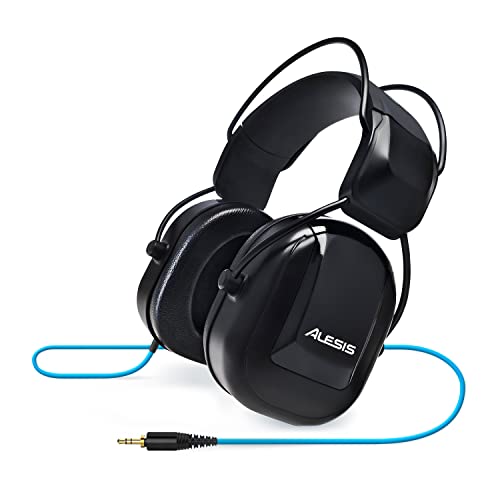 |
Alesis DRP100 Electric Drum Headphones | Designed for electronic drums | Closed-back monitoring | Simple wired setup | View on Amazon | Read Review |
| Budget Cable Workhorse |  |
OneOdio Wired DJ Studio Headphones | Broad wired compatibility | Over-ear DJ design | Useful across instruments | View on Amazon | Read Review |
| Cordless Noise Control |  |
Vic Firth Bluetooth Isolation Headphones | Bluetooth play-along support | Passive acoustic isolation | Distinctive red finish | View on Amazon | Read Review |
| Mixing Bench Essential |  |
Audio-Technica ATH-M20x Studio Headphones | Closed-back studio monitoring | Reliable wired connection | Useful for recording | View on Amazon | Read Review |
| Hearing Protection First | 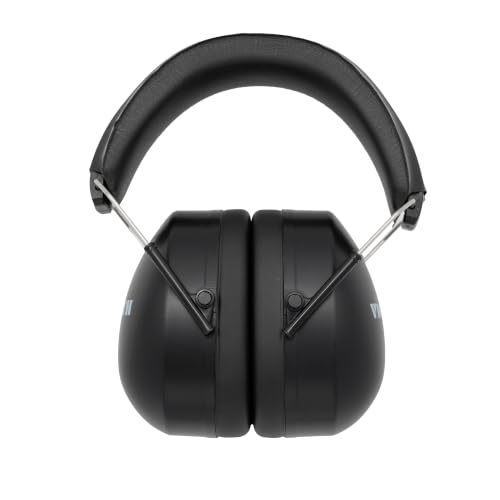 |
Vic Firth DB23 Passive Earmuffs | Dedicated hearing protection | Simple passive design | Suitable for loud spaces | View on Amazon | Read Review |
| Detailed In-Ear Monitor |  |
KZ ZS10 Pro Hybrid IEM | Five-driver hybrid design | Detachable cable | Compact in-ear fit | View on Amazon | Read Review |
| Studio Reference Classic |  |
Sony MDR-7506 Professional Headphones | Professional monitoring design | Closed-back ear cups | Strong recording compatibility | View on Amazon | Read Review |
More Details on Our Top Picks
-
Vic Firth SIH3 Stereo Isolation Headphones
For electronic drummers and acoustic players, the SIH3 offers a practical blend of hearing protection and clear stereo monitoring. Its over-ear design helps reduce surrounding drum noise while keeping backing tracks, click tracks, and practice material audible.
The wired connection keeps setup simple, with no battery to charge during a session. The main limitation is its corded design, which can feel restrictive if you move around a large kit or rehearsal space.
- Brand:Vic Firth
- Headphone Type:Over-ear
- Connectivity:Wired
- Fit:Adjustable over-ear
- Color:Black
- Use Case:Drumming and practice
- Additional Feature:Passive noise isolation
- Additional Feature:Stereo monitoring
- Additional Feature:Drum-friendly over-ear design
-
OneOdio A70 Bluetooth Studio Headphones
Choose the A70 if you want wireless convenience without giving up a wired option for keyboards, drum modules, or audio interfaces. The over-ear construction suits longer practice sessions, and Bluetooth makes it easy to play along with music from a phone or tablet.
Its DJ-style design favors broad, enjoyable listening rather than highly neutral studio judgment. Wireless operation also introduces a battery dependency, so the included wired mode becomes the safer choice for uninterrupted practice.
- Brand:OneOdio
- Headphone Type:Over-ear
- Connectivity:Bluetooth and wired
- Fit:Over-ear
- Color:Black
- Use Case:Practice and DJ listening
- Additional Feature:Wireless Bluetooth playback
- Additional Feature:Wired studio connection
- Additional Feature:Foldable headphone design
-
Alesis DRP100 Electric Drum Headphones
The DRP100 is aimed squarely at electronic drum kits, making it a sensible match for players who want direct monitoring from a drum module. Its closed-back, over-ear format helps keep the kit sound focused and limits distractions from the room.
You get a dedicated drumming headphone rather than a general-purpose Bluetooth model, which keeps the setup straightforward. The tradeoff is wired-only connectivity, so it is less flexible for casual music listening away from the kit.
- Brand:Alesis
- Headphone Type:Over-ear
- Connectivity:Wired
- Fit:Closed-back over-ear
- Use Case:Electronic drum monitoring
- Additional Feature:Closed-back ear cups
- Additional Feature:Drum module compatibility
- Additional Feature:Dedicated practice monitoring
-
OneOdio Wired DJ Studio Headphones
For a simple wired setup, this OneOdio model covers drum modules, keyboards, guitars, and computers without adding Bluetooth controls or charging routines. Its over-ear DJ design is suited to focused practice, music playback, and basic recording work.
The key strength is versatility across common audio sources, especially if you use adapters or equipment with different jack sizes. Still, it lacks wireless freedom, and its DJ-oriented sound may be less neutral than headphones built strictly for studio reference.
- Brand:OneOdio
- Headphone Type:Over-ear
- Connectivity:Wired
- Fit:Over-ear
- Color:Black
- Use Case:Instrument and computer audio
- Additional Feature:Hi-Res audio support
- Additional Feature:DJ-style ear cups
- Additional Feature:Multi-device wired use
-
Vic Firth Bluetooth Isolation Headphones
The Bluetooth Isolation Headphones suit drummers who want passive noise reduction with the freedom to move around during practice. Wireless playback can make play-along sessions more convenient, while the over-ear shape helps keep external drum noise in check.
The red finish gives the model a distinctive appearance, and Bluetooth removes a cable from the kit area. You will need to manage battery charging, and wireless isolation headphones may not offer the same direct, latency-free monitoring as a wired model.
- Brand:Vic Firth
- Headphone Type:Over-ear
- Connectivity:Bluetooth
- Fit:Over-ear
- Color:Red
- Use Case:Drumming and play-alongs
- Additional Feature:Wireless audio playback
- Additional Feature:Isolation-focused ear cups
- Additional Feature:Drum practice design
-
Audio-Technica ATH-M20x Studio Headphones
The ATH-M20x is a strong choice if your drumming setup also includes recording or mixing. Its closed-back studio-monitor design helps you focus on playback details, while the wired connection avoids Bluetooth latency during drum tracking.
This model favors a more controlled studio role than casual wireless listening, which is useful for checking drum balance and backing tracks. Its limitation is a fixed wired workflow, and the fit may feel more structured than headphones designed primarily for relaxed listening.
- Brand:Audio-Technica
- Headphone Type:Over-ear
- Connectivity:Wired
- Fit:Closed-back over-ear
- Color:Black
- Use Case:Recording and monitoring
- Additional Feature:Studio monitor design
- Additional Feature:Circumaural ear cups
- Additional Feature:Foldable construction
-
Vic Firth DB23 Passive Earmuffs
The DB23 is for sessions where hearing protection matters more than music playback. Its earmuff design can help reduce the impact of loud acoustic drums, rehearsals, and other high-volume environments.
Because these are protective earmuffs rather than listening headphones, you should not expect Bluetooth, stereo playback, or detailed monitoring. That narrow purpose is also the advantage, particularly for loud practice spaces where audio fidelity takes a back seat.
- Brand:Vic Firth
- Headphone Type:Earmuffs
- Connectivity:None
- Fit:Over-ear
- Use Case:Acoustic drum protection
- Additional Feature:Passive sound reduction
- Additional Feature:Protective earmuff construction
- Additional Feature:Rehearsal-friendly design
-
KZ ZS10 Pro Hybrid IEM
The ZS10 Pro is suited to drummers who prefer a compact in-ear monitor rather than bulky over-ear headphones. Its hybrid five-driver design, with four balanced armatures and one dynamic driver, is built for detailed music playback and can work well with compatible drum-monitoring equipment.
The detachable cable adds useful serviceability and makes storage easier. However, in-ear monitors provide less physical ear coverage than isolation earmuffs, so fit, seal, and personal comfort will strongly affect how well they work for drumming.
- Brand:KZ
- Headphone Type:In-ear monitor
- Connectivity:Wired
- Fit:In-ear
- Color:Black
- Use Case:Monitoring and music
- Additional Feature:Four balanced armatures
- Additional Feature:One dynamic driver
- Additional Feature:Detachable cable
-
Sony MDR-7506 Professional Headphones
The MDR-7506 remains a familiar option for recording, editing, and monitoring, including drum sessions where you need to hear timing and tonal details clearly. Its closed-back professional design helps keep playback focused and limits some spill into nearby microphones.
A wired connection makes it dependable for interfaces, mixers, and electronic drum modules. The main compromise is that its studio-focused sound and fit may feel less relaxed than a consumer headphone during long, casual listening sessions.
- Brand:Sony
- Headphone Type:Over-ear
- Connectivity:Wired
- Fit:Closed-back over-ear
- Color:Black
- Use Case:Studio monitoring
- Additional Feature:Large diaphragm drivers
- Additional Feature:Foldable ear cups
- Additional Feature:Coiled cable
Frequently Asked Questions
Are noise-canceling headphones good for drumming?
Active noise cancellation can reduce steady background sounds, such as air conditioning, but it is not the main feature you need for drumming. Passive isolation usually matters more because it blocks external sound without adding processing or battery dependence. For electronic drums, select a model with a wired connection and no noticeable processing delay. Never raise the volume excessively to compensate for poor isolation.
Should I use over-ear or on-ear headphones for drums?
Over-ear headphones are usually the better choice because they provide stronger isolation and place less pressure directly on the ears. Their larger pads can also remain comfortable during longer practice sessions. On-ear models may be lighter and easier to store, but they often let in more acoustic drum noise. Fit matters more than appearance, so check that the cups stay sealed while you move.
Can I use regular headphones with an electronic drum kit?
You can use regular headphones if they have a wired 3.5 mm connection and a closed-back design. Check the drum module’s headphone jack, since some kits use a 6.35 mm output or include an adapter. Avoid wireless-only headphones unless the module supports a low-latency connection. Standard Bluetooth can create enough delay to make the kit feel disconnected from your playing.
What headphone impedance is best for electronic drums?
Headphones rated between 16 and 80 ohms are generally easy for electronic drum modules, phones, computers, and small mixers to drive. Higher-impedance models may sound quiet unless you add a suitable headphone amplifier. Sensitivity matters as well, since it indicates how much volume the headphones produce from a given amount of power. If the module has a weak headphone output, choose an efficient model rather than simply choosing the highest impedance available.
How loud should drumming headphones be?
Keep the volume at the lowest comfortable level that lets you hear the click or backing track clearly. Acoustic drums can be dangerously loud, so headphones should reduce outside sound rather than encourage louder playback. Take regular breaks, especially during long rehearsals, and consider musician-grade earplugs or in-ear monitors designed for hearing protection. If you notice ringing or muffled hearing, stop and give your ears time to recover.