Could the right pair make crowded places feel manageable? For many families, sound sensitivity turns errands, classrooms, fireworks, and events into exhausting calculations.
This roundup compares the best headphones for autism through the details that matter most: noise reduction, fit, comfort, adjustability, and everyday practicality. The nine options cover different stated protection levels and age ranges, so keep reading to see which specifications deserve your attention first.
Key Takeaways
- Choose headphones with a published NRR or SNR rating, and compare ratings only within the same measurement system because they are not interchangeable.
- Prioritize a secure, adjustable fit with soft ear cushions, since gaps around the ears can reduce protection and comfort.
- Match the headset to the wearer’s age and head size, checking for low clamping pressure without allowing the earmuffs to slip.
- Consider the setting, because fireworks, concerts, classrooms, and travel may call for different levels of noise reduction and portability.
- Check the product’s weight, folding design, and pack count if the headphones will move between home, school, and community activities.
| Everyday Sensory Support |  |
Dr.meter EM100 Ear Muffs | Kids-and-adults design | Noise-reduction focus | Versatile everyday use | View on Amazon | Read Review |
| Toddler-Friendly Coverage |  |
Floriogra Kids 28dB Ear Muffs | 28dB SNR rating | Toddler-focused sizing | Passive ear protection | View on Amazon | Read Review |
| Autism-Focused Protection |  |
Dr.meter Autism Noise-Reduction Muffs | Autism-focused positioning | Sensory-use design | Simple ear-muff format | View on Amazon | Read Review |
| Bright Safety Pick |  |
PROHEAR 032 Orange 25NRR Muffs | 25 NRR protection | High-visibility orange color | Toddler and kids positioning | View on Amazon | Read Review |
| Practical Two-Pack Value | 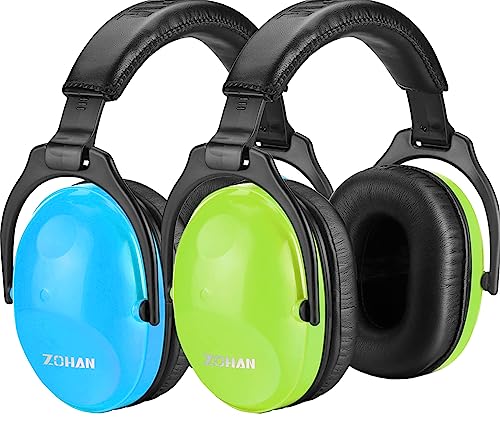 |
ZOHAN Two-Pack 25dB Ear Muffs | Two pairs included | 25dB NRR rating | Pillowy ear pads | View on Amazon | Read Review |
| Higher-Rated Everyday Shield | 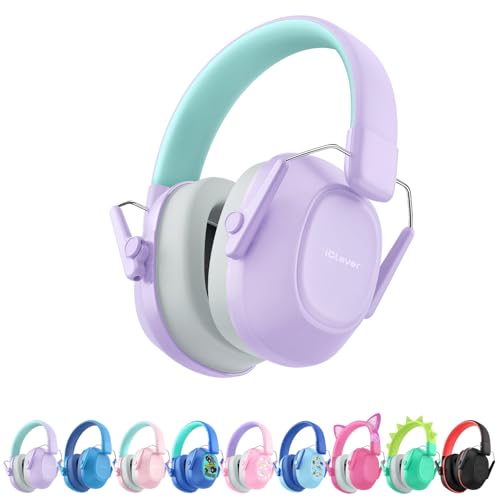 |
iClever EM01 SNR 29dB Muffs | 29dB SNR rating | Kids-and-adults design | Flexible household use | View on Amazon | Read Review |
| Event-Ready Sensory Aid | 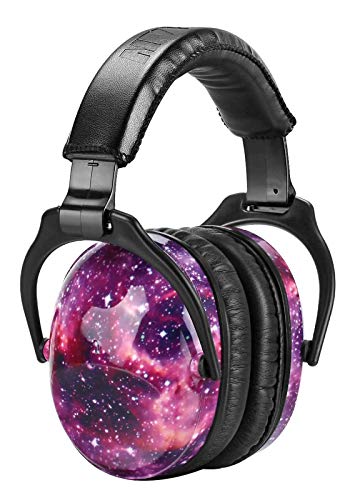 |
ZOHAN EM030 Sensory Ear Muffs | Autism and sensory focus | Several loud-event uses | Dedicated ear-muff design | View on Amazon | Read Review |
| Simple Child Protection |  |
Kids 28dB SNR Ear Muffs | 28dB SNR rating | Toddler and child focus | Straightforward protection design | View on Amazon | Read Review |
| Highest Listed Reduction |  |
Kids 31dB Hearing Protection Muffs | 31dB listed reduction | 2kHz frequency reference | Kids-focused design | View on Amazon | Read Review |
More Details on Our Top Picks
-
Dr.meter EM100 Ear Muffs
For children and adults who need a simpler way to reduce distracting sound, the EM100 ear muffs offer a practical starting point. The title identifies them as noise-cancelling protection, making them suitable for busy outings, school settings, and other loud environments.
The main limitation is the lack of a published noise-reduction rating or detailed fit information in the supplied listing. That makes it harder to compare protection levels or judge whether the ear cups will suit smaller children, so check the manufacturer’s sizing guidance before buying.
- Brand:Dr.meter
- Type:Noise-reduction ear muffs
- Age Range:Kids and adults
- Additional Feature:Noise-cancelling design
- Additional Feature:Ear-muff construction
- Additional Feature:Multi-age positioning
-
Floriogra Kids 28dB Ear Muffs
Floriogra suits families looking for clearly stated sound protection for toddlers and children. Its 28dB SNR rating gives you a useful comparison point, while the ear-muff format fits common needs such as fireworks, travel, events, and busy public spaces.
The listing does not provide details about adjustability, cup dimensions, or materials. Those missing fit details matter for toddlers, since excessive pressure or a loose seal can turn a helpful accessory into one more thing to negotiate.
- Brand:Floriogra
- Type:Noise-reduction ear muffs
- Age Range:Toddlers and kids
- Noise Rating:28dB SNR
- Additional Feature:Toddler and child positioning
- Additional Feature:Ear-muff hearing protection
- Additional Feature:Suitable for loud events
-
Dr.meter Autism Noise-Reduction Muffs
This Dr.meter model is aimed directly at autism and sensory needs, so it may appeal to families seeking ear protection for sound-sensitive routines. The ear-muff design can help reduce environmental noise during school, community activities, travel, or other situations where sudden sounds feel overwhelming.
No specific dB or SNR rating appears in the supplied information, and the listing also omits age, size, and color details. Without those specifications, you will need to confirm the expected fit and protection level before relying on it for especially loud settings.
- Brand:Dr.meter
- Type:Noise-reduction ear muffs
- Additional Feature:Autism-oriented use
- Additional Feature:Sensory protection focus
- Additional Feature:Ear-muff construction
-
PROHEAR 032 Orange 25NRR Muffs
The PROHEAR 032 is a strong match for children who need visible, straightforward hearing protection. Its 25 NRR rating is clearly stated, and the orange finish may make the muffs easier to spot during outings, events, or group activities.
The product is positioned for kids, toddlers, autism, and sensory use, which gives it a broad family-use profile. Still, the supplied details do not state cup dimensions, adjustability, or whether the fit is better for toddlers or older children, so sizing deserves a close look.
- Brand:PROHEAR
- Type:Noise-reduction ear muffs
- Age Range:Toddlers and kids
- Noise Rating:25 NRR
- Color:Orange
- Additional Feature:Autism and sensory use
- Additional Feature:Hearing protection design
- Additional Feature:Bright orange finish
-
ZOHAN Two-Pack 25dB Ear Muffs
Families who need a spare pair or want two colors will appreciate this two-pack format. ZOHAN lists a 25dB NRR rating, pillowy pads, and use cases ranging from school and sensory support to monster trucks, fireworks, concerts, and other loud events.
Blue and green ear muffs make it easier to assign a pair to each child or keep one set in a second location. The limitation is that the supplied information does not identify age sizing or adjustment range, so confirm that the cups fit securely without creating uncomfortable pressure.
- Brand:ZOHAN
- Type:Noise-reduction ear muffs
- Noise Rating:25dB NRR
- Pack Count:2
- Color:Blue and green
- Additional Feature:Pillowy comfort pads
- Additional Feature:School and sensory use
- Additional Feature:Event-focused protection
-
iClever EM01 SNR 29dB Muffs
The iClever EM01 brings a 29dB SNR rating to a design listed for both children and adults. That makes it a useful candidate for households needing one general-purpose pair for travel, public events, school environments, or other places where background noise can become tiring.
Its broad kids-and-adults positioning improves versatility, but the supplied listing does not describe cup size, padding, or adjustment features. As a result, you will need to verify the fit for smaller children rather than assuming a shared household design will suit every wearer.
- Brand:iClever
- Type:Noise-reduction ear muffs
- Age Range:Kids and adults
- Noise Rating:SNR 29dB
- Additional Feature:Multi-age positioning
- Additional Feature:Ear-muff hearing protection
- Additional Feature:Noise-reduction design
-
ZOHAN EM030 Sensory Ear Muffs
ZOHAN positions the EM030 for autism and sensory use, with loud activities such as monster trucks, concerts, fireworks, and air shows specifically named. That focused use profile makes it appealing for families planning ahead for intense sound rather than purchasing protection only after a difficult outing.
The listing does not state a noise rating, age range, color, or pack count. You can still assess it as a sensory-oriented ear muff, but the missing measurements leave less room for a precise comparison with models that publish NRR or SNR figures.
- Brand:ZOHAN
- Type:Noise-reduction ear muffs
- Additional Feature:Monster truck use
- Additional Feature:Concert and fireworks use
- Additional Feature:Air show protection
-
Kids 28dB SNR Ear Muffs
This unbranded option keeps the proposition clear: 28dB SNR protection in a child-focused ear-muff design. It is listed for toddlers and children, with fireworks and monster trucks among the intended loud environments.
The absence of a named brand may make warranty support, sizing guidance, and long-term product information harder to assess. The supplied title also does not mention adjustability, padding, or color, so those details should be confirmed before purchase, especially for a toddler.
- Type:Noise-reduction ear muffs
- Age Range:Toddlers and children
- Noise Rating:28dB SNR
- Additional Feature:Fireworks protection
- Additional Feature:Monster truck use
- Additional Feature:Toddler-oriented design
-
Kids 31dB Hearing Protection Muffs
For shoppers prioritizing the highest published reduction figure in this group, this kids’ model lists 31dB at 2kHz. The clear frequency reference gives you more technical detail than a general noise-cancelling label, and the ear-muff format suits loud events where children need passive hearing protection.
The supplied information does not identify a brand, age range beyond “kids,” color, or pack count. It also does not describe comfort features or adjustability, so the attractive rating should be considered alongside fit and wearability, because impressive numbers are not much help if the muffs sit poorly.
- Type:Hearing-protection ear muffs
- Age Range:Kids
- Noise Rating:31dB at 2kHz
- Additional Feature:Passive hearing protection
- Additional Feature:Kids’ ear-muff design
- Additional Feature:Loud-event positioning
Frequently Asked Questions
Are noise-canceling headphones good for autistic people?
They can help reduce steady, distracting sounds such as traffic, fans, crowds, or fluorescent-light hum. ANC is not ideal for every listener, though, because the pressure sensation or reduced awareness of the surroundings may feel uncomfortable. Choose a model with adjustable cancellation and a transparency mode, then use the lowest setting that provides useful relief. Keep alarms, conversations, and road safety in mind.
Are headphones or ear defenders better for sensory sensitivity?
Ear defenders mainly reduce outside sound and usually do not play music, while headphones combine sound reduction with audio playback. Ear defenders may suit quiet breaks, and headphones may suit travel, work, school, or calming audio. Choose based on the goal. If the priority is maximum environmental reduction, certified hearing protectors may be the better category, but they must still fit comfortably and allow safe awareness of important sounds.
Can headphones help with autism-related meltdowns?
Headphones may reduce overwhelming noise before it reaches that point, particularly in busy or unpredictable settings. They are a sensory support tool, not a guaranteed way to prevent distress, and they work best alongside a broader plan for breaks, communication, and a quieter space. Keep the headphones accessible rather than storing them away. Let the wearer control when to put them on or remove them, provided safety needs are covered.
What volume is safe for autistic children?
Aim for a maximum near 85 decibels and encourage regular listening breaks. Lower volume is safer, especially during long sessions, and a volume limiter can prevent sudden increases from reaching uncomfortable levels. Check the actual settings on the connected device, since a headphone limiter may not control every source. If ringing, muffled hearing, or ear pain occurs, stop listening and seek medical advice.
How long should autistic children wear headphones?
There is no universal time limit because comfort, volume, fit, and sensory needs differ. Encourage short breaks every 30 to 60 minutes, especially during long listening sessions, and remove the headphones sooner if discomfort, heat, pressure, or pain appears. Do not use noise-canceling headphones near roads, in car parks, or around machinery without a clear safety plan. A transparency mode or one-ear listening may help maintain awareness when needed.