

A good guitar headphone preserves your playing’s tone and dynamics instead of smearing notes together or exaggerating harsh frequencies. Comfort matters just as much, since practice sessions rarely end after one song.
The best headphones for guitar should make amp modeling, recording, and backing tracks feel clear and natural. The comparison ahead focuses on the details that shape everyday use, so keep reading before choosing your next pair.
Key Takeaways
- Choose closed-back earcups if you need sound isolation while recording or practicing near other people.
- Prioritize a balanced frequency response so your guitar tone does not sound unusually boomy, thin, or bright.
- Check for both 3.5 mm and 6.35 mm connections when switching between computers, interfaces, mixers, and guitar amplifiers.
- Look for over-ear padding and moderate clamping force if sessions may last longer than 30 minutes.
- Treat driver size as a supporting specification, since tuning and response accuracy matter more than diameter alone.
| Versatile Guitar Companion |  |
OneOdio Wired DJ Headphones | Guitar-friendly wired design | Over-ear listening | DJ-focused configuration | View on Amazon | Read Review |
| Studio Accuracy |  |
Audio-Technica M20x Monitor Headphones | Professional monitor design | Suitable for guitar recording | Established audio brand | View on Amazon | Read Review |
| Practical Mixing Pick |  |
Wired Studio Monitor Headphones | Over-ear monitor format | Mixing and DJ use | Simple wired setup | View on Amazon | Read Review |
| Adapter-Ready Monitoring | 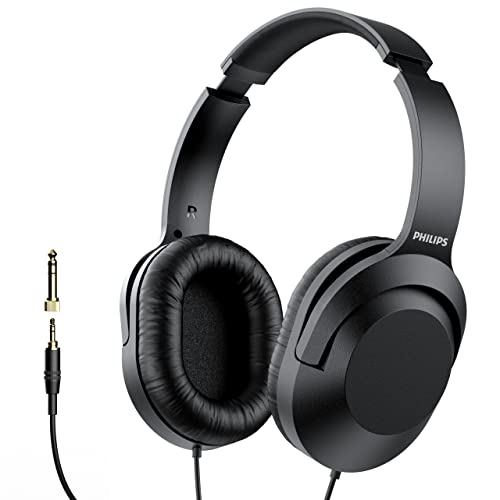 |
Philips Wired Monitoring Headphones | Includes quarter-inch adapter | Guitar and keyboard compatible | Recording-oriented design | View on Amazon | Read Review |
| Recording Room Classic |  |
Sony MDR7506 Professional Headphones | Professional monitoring design | Large-diaphragm construction | Suited to recording | View on Amazon | Read Review |
| Focused DJ Monitor | 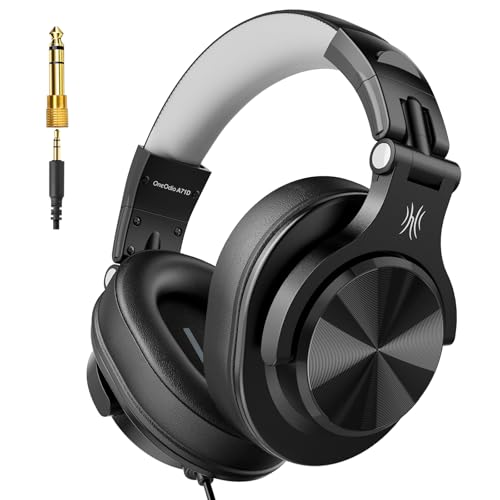 |
OneOdio A71D Studio Headphones | Wired studio format | Hi-Res positioning | Over-ear listening | View on Amazon | Read Review |
| Wireless Practice Flexibility |  |
OneOdio A70 Bluetooth Headphones | Bluetooth and wired modes | Over-ear design | DJ studio positioning | View on Amazon | Read Review |
| Hi-Res Tone Monitor |  |
OneOdio A71 Hi-Res Headphones | Hi-Res audio positioning | Wired studio use | Over-ear fit | View on Amazon | Read Review |
| Broad Driver Coverage |  |
PUPGSIS M20 50mm Headphones | 50 mm drivers | Dual connector sizes | DJ and studio use | View on Amazon | Read Review |
| Flat-Response Workhorse |  |
JOYO JMH-02 50mm Headphones | Flat-response design | 50 mm drivers | Passive noise isolation | View on Amazon | Read Review |
More Details on Our Top Picks
-
OneOdio Wired DJ Headphones
For guitarists who need a straightforward wired option, this OneOdio model covers the basics with an over-ear design, DJ-oriented tuning, and compatibility with PC, keyboards, and guitar equipment. The wired connection also keeps setup simple, with no battery management getting in the way.
Its broad use case suits home practice, recording, and general music listening. The limitation is that the listing provides few technical details, so you will need to confirm connector and comfort specifics before buying.
- Brand:OneOdio
- Headphone Type:Over-ear
- Connection:Wired
- Fit:Over-ear
- Color:Black
- Additional Feature:Hi-Res audio
- Additional Feature:DJ headphone design
- Additional Feature:PC compatibility
-
Audio-Technica M20x Monitor Headphones
The ATH-M20x is a sensible pick for guitarists who want studio-monitor headphones from an established audio brand. Its professional positioning makes it a natural fit for amp modeling, basic recording, and checking guitar tones without relying on room speakers.
You get a focused tool for wired monitoring rather than an all-purpose wireless headset. The main limitation is the sparse supplied listing information, which does not specify the driver size, cable details, or included accessories.
- Brand:Audio-Technica
- Headphone Type:Studio monitor
- Connection:Wired
- Fit:Over-ear
- Color:Black
- Additional Feature:ATH-M20x model
- Additional Feature:Mixing-focused design
- Additional Feature:Recording suitability
-
Wired Studio Monitor Headphones
This generic over-ear model is aimed at buyers who need an uncomplicated set for studio monitoring, DJ work, or mixing. The closed, over-ear format suggested by the listing can help keep your guitar practice contained and provide a more focused listening setup.
It may suit a spare recording station or home practice rig where simple functionality matters most. Still, the listing does not identify a brand, driver size, or connector specification, so there is less information available for judging long-term value and fit.
- Headphone Type:Over-ear
- Connection:Wired
- Fit:Over-ear
- Additional Feature:Studio monitoring focus
- Additional Feature:DJ-oriented design
- Additional Feature:Mixing suitability
-
Philips Wired Monitoring Headphones
Philips positions this headset for podcasts, recording, and studio monitoring, making it a practical choice for guitarists who work with computers, keyboards, or guitar equipment. The included 6.3 mm adapter is particularly useful for connecting to many amplifiers, interfaces, and other audio hardware.
The wired format keeps latency out of the equation during playing and recording. Its limitation is that the listing does not provide driver size or detailed acoustic specifications, so you should treat it as a practical monitoring option rather than a fully documented reference headset.
- Brand:Philips
- Headphone Type:Over-ear
- Connection:Wired
- Fit:Over-ear
- Additional Feature:6.3 mm adapter
- Additional Feature:Podcast monitoring support
- Additional Feature:Computer compatibility
-
Sony MDR7506 Professional Headphones
The Sony MDR7506 is built around a professional headphone format, which makes it a strong match for guitar recording, editing, and monitoring amp simulations. Its large-diaphragm design points toward detailed, full-range listening, useful when small changes in playing or processing need attention.
This is best suited to a wired studio setup rather than casual wireless listening. The available listing does not state the exact driver size, fit details, or included connections, so those points should be confirmed before purchase.
- Brand:Sony
- Headphone Type:Professional
- Connection:Wired
- Color:Black
- Additional Feature:MDR7506 model
- Additional Feature:Large-diaphragm design
- Additional Feature:Studio monitoring focus
-
OneOdio A71D Studio Headphones
The A71D targets guitarists who want a dedicated wired studio headphone for DJ use, practice, and tone checking. Its over-ear construction and Hi-Res positioning make it appropriate for home recording, especially when you need a direct connection instead of Bluetooth.
This model keeps the setup centered on monitoring and playback, without adding wireless features to complicate the signal path. The listing does not state driver size, connector type, or color, which limits how precisely you can compare it with other studio models.
- Brand:OneOdio
- Headphone Type:Studio headphone
- Connection:Wired
- Fit:Over-ear
- Additional Feature:A71D model
- Additional Feature:DJ monitoring design
- Additional Feature:Hi-Res audio
-
OneOdio A70 Bluetooth Headphones
The A70 is the flexible pick for guitarists who want Bluetooth listening alongside a wired DJ and studio setup. Wireless playback works well for general listening, while the wired mode is more suitable for connecting directly to compatible guitar equipment.
That two-mode design gives you more freedom around the practice space, but Bluetooth is not always ideal for real-time playing because latency can affect timing. The listing does not provide driver size, battery details, or connector specifications.
- Brand:OneOdio
- Headphone Type:DJ studio
- Connection:Bluetooth and wired
- Fit:Over-ear
- Color:Black
- Additional Feature:A70 model
- Additional Feature:Hi-Res audio
- Additional Feature:Wireless listening
-
OneOdio A71 Hi-Res Headphones
The A71 is a good match for guitarists who want a wired over-ear headphone with a clear studio and DJ focus. Its Hi-Res positioning makes it suitable for checking recorded guitar, backing tracks, and amp-modeling presets in a direct listening setup.
This is a more focused choice than a wireless everyday headset, particularly for practice or recording sessions where a consistent wired connection matters. The available listing does not identify driver size, connector details, or included accessories, so the technical picture remains limited.
- Brand:OneOdio
- Headphone Type:Studio headphone
- Connection:Wired
- Fit:Over-ear
- Color:Black
- Additional Feature:A71 model
- Additional Feature:DJ monitoring design
- Additional Feature:Mixing suitability
-
PUPGSIS M20 50mm Headphones
With 50 mm drivers and both 3.5 mm and 6.35 mm connection options, this PUPGSIS model is designed to cover everyday guitar practice, DJ monitoring, and studio work. The dual connector sizes are useful because they can fit common consumer devices as well as many amps, mixers, and interfaces.
Its over-ear monitor format makes it a practical choice for a home setup with several audio sources. The tradeoff is that the listing gives little information about frequency response, padding, or long-session comfort, so the driver size alone cannot tell the whole story.
- Brand:PUPGSIS
- Headphone Type:Studio monitor
- Driver Size:50 mm
- Connection:Wired
- Fit:Over-ear
- Additional Feature:3.5 mm connection
- Additional Feature:6.35 mm connection
- Additional Feature:M20 model
-
JOYO JMH-02 50mm Headphones
The JOYO JMH-02 is aimed squarely at guitarists who need flat-response monitoring for recording, mixing, guitar amps, or podcasts. Its 50 mm drivers and over-ear design give it a clear role in a home studio, where consistent playback matters more than wireless convenience.
Passive noise isolation can help reduce outside distractions during practice and recording, while the 3.5 mm and 6.35 mm connections support a wide range of gear. The limitation is that the listing does not provide a detailed frequency response or comfort specification, so tonal neutrality should be treated as the design goal rather than a full performance guarantee.
- Brand:JOYO
- Headphone Type:Studio monitor
- Driver Size:50 mm
- Connection:Wired
- Fit:Over-ear
- Additional Feature:3.5 mm connection
- Additional Feature:6.35 mm adapter
- Additional Feature:JMH-02 model
Frequently Asked Questions
Can I Plug Guitar Headphones Directly Into An Electric Guitar?
No. An electric guitar produces an instrument-level signal and does not normally provide enough output to drive headphones. Connect the guitar to a practice amp, multi-effects unit, audio interface, or headphone amplifier with a suitable instrument input. Check the device before connecting anything, and use its dedicated headphone output. Plugging headphones into the guitar itself will not produce a useful listening level and may simply create a very quiet signal.
Are Open-Back Headphones Good For Guitar Practice?
Open-back headphones can provide a natural, spacious sound, which may help with mixing or critical listening. However, they allow sound to escape and let room noise in, so they are less suitable for quiet practice or shared spaces. Choose closed-back headphones for most electric guitar sessions, especially when using a microphone, recording late at night, or practicing near other people.
Do I Need Low-Impedance Headphones For Guitar?
Not always, but low to moderate impedance is usually the easiest match for practice amps, phones, laptops, and small interfaces. Models around 16 to 80 ohms are commonly compatible, though you should check the output specifications for your equipment. High-impedance headphones can sound excellent when paired with a capable amplifier, but a weak output may produce low volume or reduced impact. Headphone sensitivity matters too, so impedance should never be considered alone.
Are Wireless Headphones Suitable For Playing Guitar?
Standard Bluetooth headphones can introduce noticeable latency, creating a delay between your pick attack and the sound reaching your ears. That delay can make timing feel unnatural, particularly with fast riffs, bends, and rhythm parts. Use wired headphones for direct monitoring, or choose a purpose-built wireless system that specifies low latency for instruments. Bluetooth remains useful for listening to backing tracks separately, where timing delay is less disruptive.
What Volume Is Safe For Guitar Practice?
Keep the level as low as practical, and take regular breaks during longer sessions. A useful guideline is the 60/60 approach, keeping volume near 60 percent or lower and limiting continuous listening to about 60 minutes before resting your ears. If ringing, muffled hearing, or discomfort appears, lower the volume and stop for a while. Headphones can make distorted guitar feel exciting, but your ears keep the bill long after the riff ends.