

Need music on the mountain without losing awareness? Choosing the best headphones for ski helmet can feel surprisingly specific, especially once helmet fit and winter layers enter the picture.
This roundup puts six popular audio options side by side, so the differences are easier to spot before you commit. Keep reading for a clear comparison built around real ski-day priorities.
Key Takeaways
- Prioritize helmet compatibility and confirm the speakers fit your ear pockets before buying.
- Choose Bluetooth 5.3 or newer for a stable connection during active outdoor use.
- Look for glove-friendly controls so you can adjust audio without removing your gloves.
- Check battery life against your longest planned ski days, including time spent traveling.
- Select a model with a built-in microphone if hands-free calls matter on the slopes.
| Modern Wireless Pick |  |
Origem Wireless Helmet Speakers Bluetooth 6.0 | Bluetooth 6.0 | Wireless helmet audio | Ski and snowboard use | View on Amazon | Read Review |
| Glove Control Choice |  |
ALECK Core Glove-Controlled Speakers | Glove-friendly controls | Hands-free microphone | Audio-ready helmet fit | View on Amazon | Read Review |
| Bluetooth 5.3 Option |  |
M Jiuyunmu Helmet Speakers Bluetooth 5.3 | Bluetooth 5.3 | True wireless design | Multi-sport use | View on Amazon | Read Review |
| True Wireless Pair |  |
M Jiuyunmu True Wireless Helmet Speakers | True wireless design | Ski and snowboard use | Mountain bike compatibility | View on Amazon | Read Review |
| Drop-In Simplicity | 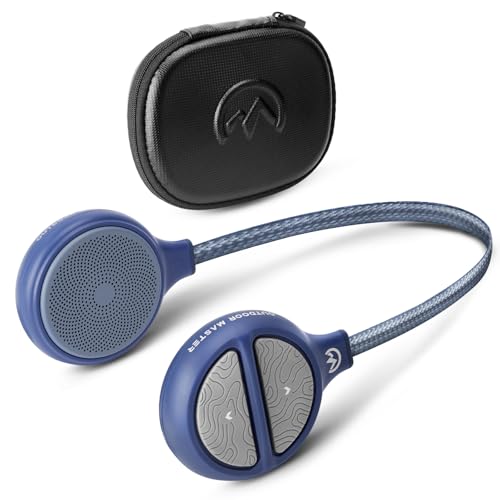 |
OutdoorMaster Drop-In Bluetooth Headphones | Drop-in speaker design | Wireless Bluetooth audio | Simple helmet installation | View on Amazon | Read Review |
| Hands-Free Upgrade |  |
ALECK Pro Helmet Speakers With Mic | Built-in microphone | Glove-friendly controls | Audio-ready helmet fit | View on Amazon | Read Review |
More Details on Our Top Picks
-
Origem Wireless Helmet Speakers Bluetooth 6.0
For skiers and snowboarders who want a newer Bluetooth connection, the Origem speakers offer a straightforward wireless audio option for helmet use. The listing specifically identifies Bluetooth 6.0, which gives this model a clear technical advantage over older versions.
The main limitation is the lack of published detail about helmet compatibility, controls, microphone support, and speaker design. Check your helmet’s ear-pocket dimensions before buying, because wireless freedom is less useful if the speakers fit like coins in a snow boot.
- Brand:Origem
- Speaker Type:Helmet speakers
- Bluetooth Version:6.0
- Helmet Fit:Not specified
- Additional Feature:Wireless Bluetooth connection
- Additional Feature:Ski helmet use
- Additional Feature:Snowboard helmet use
-
ALECK Core Glove-Controlled Speakers
Choose the ALECK Core if you want simple controls through winter gloves while riding. Its design is intended for audio-ready ski and snowboard helmets, and the built-in hands-free microphone supports calls without reaching for a phone.
The listing does not provide a Bluetooth version or specific battery information, so the feature set is clearer than the technical detail. Compatibility also depends on whether your helmet has suitable ear pockets, rather than just a generic helmet shape.
- Brand:ALECK
- Speaker Type:Helmet speakers
- Helmet Fit:Audio-ready helmets
- Control Type:Glove-friendly controls
- Microphone:Built-in hands-free mic
- Additional Feature:Wireless Bluetooth connection
- Additional Feature:Ski helmet compatibility
- Additional Feature:Snowboard helmet compatibility
-
M Jiuyunmu Helmet Speakers Bluetooth 5.3
The M Jiuyunmu Bluetooth 5.3 model suits riders who want true wireless helmet speakers for skiing, snowboarding, or mountain biking. Its multi-sport design makes it a practical choice if one audio setup needs to move between snow gear and a cycling helmet.
The listing does not identify the control method, microphone, or exact helmet-fitting system. That makes it harder to judge call handling and installation in advance, especially if your helmet has unusually narrow or shallow ear compartments.
- Brand:M Jiuyunmu
- Speaker Type:True wireless speakers
- Bluetooth Version:5.3
- Helmet Fit:Ski and bike helmets
- Additional Feature:Skiing compatibility
- Additional Feature:Snowboarding compatibility
- Additional Feature:Mountain biking compatibility
-
M Jiuyunmu True Wireless Helmet Speakers
For riders focused on a true wireless setup, this M Jiuyunmu model keeps the product concept simple: Bluetooth helmet speakers designed for skiing, snowboarding, and mountain biking. It may appeal if you want audio without a connecting cable between the two sides.
Unlike Product 3 from the same brand, this listing does not state a Bluetooth version, so the wireless specification is less defined. The available information also leaves microphone support, controls, and exact helmet fit unspecified.
- Brand:M Jiuyunmu
- Speaker Type:True wireless speakers
- Helmet Fit:Ski and bike helmets
- Additional Feature:Wireless Bluetooth connection
- Additional Feature:Snowboarding compatibility
- Additional Feature:Mountain biking compatibility
-
OutdoorMaster Drop-In Bluetooth Headphones
The OutdoorMaster model is aimed at riders who prefer drop-in helmet headphones rather than a more complicated audio installation. Its wireless Bluetooth design makes it a sensible match for anyone seeking a basic helmet audio setup for winter activities.
The listing does not specify Bluetooth generation, microphone support, control style, or compatible helmet types. Confirm that your helmet has ear spaces designed for drop-in speakers, since that fit determines comfort and sound placement.
- Brand:OutdoorMaster
- Speaker Type:Drop-in headphones
- Helmet Fit:Drop-in helmet design
- Additional Feature:Wireless connection
- Additional Feature:Bluetooth audio
- Additional Feature:Ski helmet use
-
ALECK Pro Helmet Speakers With Mic
The ALECK Pro is the stronger fit for riders who want hands-free calls along with helmet audio. It is designed for audio-ready helmet ear pockets, while glove-friendly controls help you manage playback without exposing your fingers to the weather.
The listing does not state the Bluetooth version or battery capacity, so long-term wireless performance cannot be compared from the available information. Its more specific helmet-fit requirement may also limit compatibility with helmets lacking dedicated ear pockets.
- Brand:ALECK
- Speaker Type:Helmet speakers
- Helmet Fit:Audio-ready ear pockets
- Control Type:Glove-friendly controls
- Microphone:Built-in hands-free mic
- Additional Feature:Wireless Bluetooth connection
- Additional Feature:Ski helmet compatibility
- Additional Feature:Snowboard helmet compatibility
Frequently Asked Questions
Can Any Headphones Fit Inside A Ski Helmet?
No. Over-ear headphones usually take up too much space and can create pressure beneath the helmet. Choose helmet speakers, low-profile earbuds, or an audio kit made for helmets with removable ear pads and speaker pockets. Before buying, measure the available space and check the manufacturer’s fit guidance. A compatible helmet does not always guarantee a perfect fit, because liner thickness and ear-pad shape vary.
Are Bluetooth Headphones Safe For Skiing?
Bluetooth itself does not create a special skiing hazard, but sealed headphones and high volume can reduce your awareness of people, vehicles, and announcements. Use moderate volume and favor designs that let outside sound remain audible. Keep your phone secured, avoid adjusting controls during technical sections, and remove the headphones if you need to communicate clearly. On busy trails, situational awareness matters more than bass response.
Do Ski Helmet Headphones Work In Cold Weather?
Most models work in cold conditions, but low temperatures can reduce battery capacity, slow charging, and make some plastics or cables less flexible. Store the battery pack close to your body when practical, especially on very cold days. Check the stated operating range and look for water resistance before buying. After skiing, let the equipment dry at room temperature, away from direct heat that can damage batteries, adhesives, or helmet materials.
Can I Make Phone Calls With Helmet Headphones?
Many Bluetooth systems include a microphone for calls, voice commands, and group communication. Call quality depends on microphone placement, wind protection, and whether the helmet covers the microphone from strong gusts. Look for a model with wind-noise reduction and a glove-friendly call button. For regular group skiing, a dedicated intercom system may communicate more reliably than ordinary Bluetooth headphones.
Should I Choose Wired Or Wireless Helmet Audio?
Choose wired audio if you want a lower price, no battery charging, and a simple connection to a phone or music player. Choose wireless audio for easy controls, fewer cables, and better freedom of movement beneath winter clothing. Wireless models require charging and pairing, while wired models require a compatible port and careful cable routing. Either option works well when the speakers sit comfortably, stay secure, and do not interfere with the helmet’s fit.