

The best headphones for skiing stay put, remain comfortable under a helmet, and keep controls usable with cold fingers. Sound quality matters, but a loose fit or weak battery can turn a scenic run into a pocket-maintenance session.
This comparison covers headband designs and helmet-ready speakers, with attention to fit, battery life, weather resistance, and situational awareness. Keep reading to see which specifications deserve the most weight on the slopes.
Key Takeaways
- Choose helmet compatibility carefully, since bulky earcups can create pressure and interfere with a secure fit.
- Prioritize battery life of at least 8 hours for full-day ski trips, especially when cold temperatures reduce runtime.
- Look for Bluetooth controls that remain easy to operate with gloves, including play, pause, and volume adjustment.
- Select sweat and water resistance suited to snow, condensation, and changing weather, not just indoor workouts.
- Favor moderate sound levels and designs that preserve awareness of ski partners, terrain changes, and nearby riders.
| Low-Profile Comfort |  |
MUSICOZY Sleep Headband Bluetooth | Side-sleeper design | Low-profile headband format | Integrated Bluetooth speakers | View on Amazon | Read Review |
| Versatile Under-Helmet |  |
Perytong Sports Headband Bluetooth | Ultra-thin speaker design | Sports-focused headband | Grey color option | View on Amazon | Read Review |
| Dedicated Ski Audio |  |
Origem Ski Helmet Speakers Bluetooth 6.0 | Ski helmet focused | Bluetooth 6.0 | Snowboard compatible | View on Amazon | Read Review |
| Multi-Sport Helmet Audio |  |
M Jiuyunmu Helmet Speakers Bluetooth 5.3 | True wireless design | Bluetooth 5.3 | Multi-sport compatibility | View on Amazon | Read Review |
| Simple Helmet Upgrade | 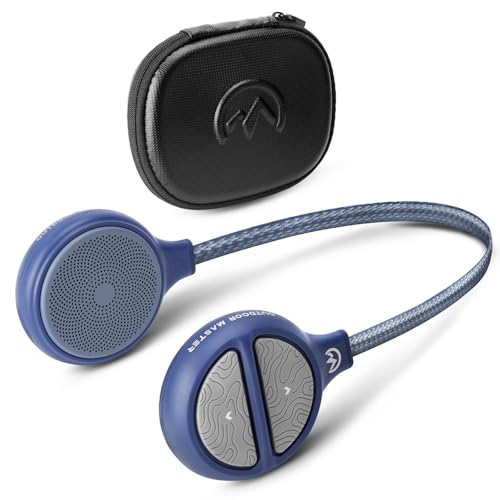 |
OutdoorMaster Drop-In Bluetooth Headphones | Drop-in helmet design | Wireless Bluetooth connection | Ski-focused format | View on Amazon | Read Review |
More Details on Our Top Picks
-
MUSICOZY Sleep Headband Bluetooth
For skiers who want a headband-style audio option, the MUSICOZY is best suited to low-profile listening beneath a helmet, especially if traditional earbuds create pressure. Its side-sleeper design and integrated Bluetooth speakers make it more adaptable than rigid over-ear headphones, while the headband format helps keep loose earbuds out of the equation.
The tradeoff is ski-specific practicality. This is marketed primarily as a sleep and lifestyle product, not a helmet speaker system, so you should check that the band and speakers do not affect helmet fit, warmth, or access to safety-critical sounds on the mountain.
- Brand:MUSICOZY
- Type:Bluetooth headband headphones
- Speaker Type:Integrated headband speakers
- Additional Feature:Designed for side sleepers
- Additional Feature:Wireless Bluetooth connection
- Additional Feature:Suitable beneath helmets
-
Perytong Sports Headband Bluetooth
The Perytong fits skiers who want one multi-use headband for the slopes, workouts, travel, and meditation. Its ultra-thin stereo speakers are designed to sit inside the band, giving you a less bulky alternative to conventional headphones beneath a helmet.
That flexibility comes with a ski-specific limitation: the product is not presented as a dedicated helmet audio kit, and its fit may vary with helmet shape and liner thickness. The built-in speakers also should not block ambient mountain sounds, including warnings, nearby skiers, and lift-area announcements.
- Brand:Perytong
- Type:Wireless sports headband
- Speaker Type:Ultra-thin stereo speakers
- Color:Grey
- Additional Feature:Bluetooth wireless connection
- Additional Feature:Designed for workouts
- Additional Feature:Suitable for air travel
-
Origem Ski Helmet Speakers Bluetooth 6.0
Origem is the clearest match for skiers who want helmet-mounted audio rather than a sleep headband or standard earbuds. The ski and snowboard focus suggests a purpose-built form factor, while Bluetooth 6.0 provides the newest stated wireless version in this group.
The available listing information does not confirm battery duration, speaker construction, or control placement, so you should verify those details before buying. As with any helmet audio setup, preserve access to surrounding sounds and confirm that the speakers sit correctly without changing the helmet’s intended fit.
- Brand:Origem
- Type:Ski helmet speakers
- Bluetooth Version:6.0
- Speaker Type:Helmet speakers
- Additional Feature:Wireless Bluetooth connection
- Additional Feature:Designed for snowboarding
- Additional Feature:Intended for ski helmets
-
M Jiuyunmu Helmet Speakers Bluetooth 5.3
Choose the M Jiuyunmu system if you want true wireless helmet speakers that can serve more than one outdoor activity. Its listing specifically covers skiing, snowboarding, and mountain biking, making it a practical option for anyone who uses separate helmets across the seasons.
The stated Bluetooth 5.3 version is clear, but the available product information does not provide battery life, color, or speaker details. Its cross-sport positioning may also mean a less ski-specific fit than a system designed solely around one helmet style, so fit and control access deserve close attention.
- Brand:M Jiuyunmu
- Type:True wireless helmet speakers
- Bluetooth Version:5.3
- Additional Feature:Supports skiing and snowboarding
- Additional Feature:Suitable for mountain biking
- Additional Feature:Wireless helmet installation
-
OutdoorMaster Drop-In Bluetooth Headphones
OutdoorMaster’s drop-in format is aimed at skiers who want a purpose-built helmet audio upgrade without wearing a separate headband. The design is presented as wireless and Bluetooth-enabled, which should keep the setup cleaner than wired earbuds dangling beneath outerwear.
The listing does not state the Bluetooth version, battery life, color, or speaker type, so those details remain open questions. You should also confirm compatibility with your helmet’s ear pads, since drop-in systems depend on the available speaker pockets and interior space.
- Brand:OutdoorMaster
- Type:Drop-in helmet headphones
- Speaker Type:Helmet drop-in speakers
- Additional Feature:Designed for ski helmets
- Additional Feature:Wireless audio connection
- Additional Feature:Fits helmet ear pads
Frequently Asked Questions
Can You Wear Headphones Under A Ski Helmet?
Yes, but choose helmet-specific audio systems, slim headphones, or low-profile earbuds. Bulky over-ear models can create pressure, affect the helmet fit, and reduce comfort during a full day of skiing. Place speakers inside the helmet’s ear pockets whenever possible, and confirm that the helmet remains snug without gaps or movement. Your helmet should fit correctly first, audio comes second.
Are Noise-Cancelling Headphones Safe For Skiing?
Active noise cancellation can reduce wind noise, but full isolation may make it harder to hear skiers, lifts, warnings, and changing conditions. Use an ambient or transparency mode instead, and keep the volume low enough to hear your surroundings. Noise cancellation is most suitable for chairlift rides, travel, or quiet areas away from active ski traffic. On busy slopes, situational awareness deserves priority over a perfectly quiet soundtrack.
Do Headphones Work In Cold Weather?
Most wireless headphones work in cold conditions, but low temperatures can shorten battery life and affect charging. Keep spare earbuds or a charging case inside an inner pocket, where body heat helps protect the battery. Check the water-resistance rating before buying, and dry the headphones after use. Do not charge a device while it is still covered in snow or condensation.
Should You Choose Earbuds Or Helmet Audio?
Choose helmet audio for easy installation, better stability, and controls designed around ski helmets. Choose earbuds if you want to use the same pair for travel, exercise, and everyday listening. Earbuds can provide a tighter seal, but they may feel uncomfortable under helmet padding and can be easier to lose in snow. Helmet audio usually offers the cleaner fit, while earbuds offer greater versatility.
How Can You Listen Safely While Skiing?
Keep the volume moderate, use ambient sound mode, and avoid wearing both earbuds in crowded areas or near lift queues. You should be able to hear voices, approaching equipment, and warning signals without removing the headphones. Pause audio before crossing trails, entering lifts, or speaking with ski patrol. A playlist can wait a few seconds, unlike an approaching snowboarder.