

Could your headphones make vertigo worse? A comfortable listening setup should feel steady, not add another source of discomfort.
Vertigo can make ordinary listening feel surprisingly complicated. The best headphones for vertigo can mean different things to different listeners, so this comparison focuses on comfort and control. Keep reading for a clear, side-by-side starting point.
Key Takeaways
- Choose open-ear designs if keeping environmental sound audible helps you feel oriented.
- Prioritize a secure, lightweight fit so head movement does not create pressure or shifting.
- Check volume control and sound balance, since loud or overly bass-heavy audio may feel uncomfortable.
- Consider battery life based on your routine, but do not treat long playback as more important than comfort.
- If listening worsens symptoms, stop using the headphones and consult a healthcare professional about suitable audio habits.
| Awareness First |  |
Purity Air Open-Ear Headphones | Open-ear air conduction | Dual microphones | Secured wearing comfort | View on Amazon | Read Review |
| Quiet Focus |  |
INFURTURE H1 ANC Headphones | Active noise cancellation | Up to 90-hour battery | Foldable over-ear design | View on Amazon | Read Review |
| Sport Awareness |  |
KLKE Z3 Bone-Conduction Headphones | Open-ear bone conduction | Built-in microphone | Sports-focused design | View on Amazon | Read Review |
| Runner's Openness |  |
PSIER Open-Ear Running Headphones | Open-ear listening | Bone-conduction design | Running-focused fit | View on Amazon | Read Review |
| Compact Carry | 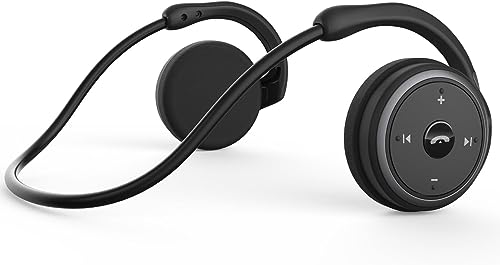 |
RTUSIA Wraparound Bluetooth Headphones | Wraparound sports design | Built-in microphone | Foldable and portable | View on Amazon | Read Review |
| Sweatproof Stability |  |
Aamft Bluetooth 6.0 Headphones | Lightweight open-ear design | IPX6 sweatproof rating | Up to 10-hour battery | View on Amazon | Read Review |
| Child-Friendly Simplicity |  |
Mehomeli Kids Air-Conduction Headphones | Designed for children | Open-ear air conduction | No charging required | View on Amazon | Read Review |
| Proven Sports Classic |  |
Shokz OpenRun Bone-Conduction Headphones | Open-ear bone conduction | Bluetooth sports listening | Environmental awareness | View on Amazon | Read Review |
| Everyday Open Fit |  |
CXK Bluetooth 6.0 Headphones | Open-ear bone conduction | Bluetooth 6.0 connection | Built-in microphone | View on Amazon | Read Review |
| Waterproof Lightweight |  |
LOBKIN Bone-Conduction Headphones | Ultra-light 25-gram design | IPX7 waterproof rating | Secure sports fit | View on Amazon | Read Review |
More Details on Our Top Picks
-
Purity Air Open-Ear Headphones
For listeners who dislike the plugged-in feeling of earbuds, Purity Air offers an open-ear design that keeps the ear canal clear. The wireless Bluetooth connection, secured fit, and dual microphones suit phone calls, walking, and everyday listening.
Open-air listening can feel less intrusive for people sensitive to pressure or isolation, while the sweat-resistant build supports light exercise. The tradeoff is limited noise blocking, so busy streets or loud transit may overpower quieter audio.
- Brand:Purity Air
- Headphone Type:Open-ear air conduction
- Connectivity:Bluetooth
- Water Resistance:Sweat resistant
- Microphone:Dual microphones
- Additional Feature:Clear environmental awareness
- Additional Feature:Wireless phone-call support
- Additional Feature:Sports-friendly design
-
INFURTURE H1 ANC Headphones
Choose the INFURTURE H1 if surrounding noise makes listening stressful and you prefer a full over-ear fit. Active noise cancellation, Bluetooth audio, low latency, and deep-bass tuning support commuting, focused work, and video playback.
The headline strength is up to 90 hours of playtime, paired with a foldable design for storage. Closed-back ANC headphones can feel warm or pressurized, however, and that enclosed sensation may not suit every listener managing vertigo.
- Brand:INFURTURE
- Headphone Type:Over-ear ANC
- Battery Life:Up to 90 hours
- Connectivity:Bluetooth
- Additional Feature:Low-latency audio
- Additional Feature:Deep-bass sound
- Additional Feature:Foldable construction
-
KLKE Z3 Bone-Conduction Headphones
KLKE Z3 fits listeners who want open-ear bone conduction for workouts, walking, or outdoor routines. Its sports-focused format keeps the ears uncovered, while the built-in microphone adds hands-free calling.
The open design can help you remain aware of voices, traffic, and room sounds, which may feel more comfortable than sealed earbuds. Audio generally has less isolation and bass impact than over-ear headphones, so loud environments remain a limitation.
- Brand:KLKE
- Headphone Type:Bone conduction
- Microphone:Built-in microphone
- Additional Feature:Environmental sound awareness
- Additional Feature:Wireless listening
- Additional Feature:Exercise-oriented fit
-
PSIER Open-Ear Running Headphones
PSIER is aimed at runners who want open-ear listening without blocking nearby sounds. The bone-conduction format and running-focused design make it a practical match for outdoor exercise and active routines.
You can keep awareness of traffic, conversation, and surroundings, which may reduce the boxed-in feeling of sealed headphones. The product information does not specify battery life, water rating, or microphone details, and the open format will not provide strong noise isolation.
- Brand:PSIER
- Headphone Type:Bone conduction
- Additional Feature:Outdoor sound awareness
- Additional Feature:Wireless headphone format
- Additional Feature:Exercise-ready design
-
RTUSIA Wraparound Bluetooth Headphones
RTUSIA suits listeners who prioritize a small, portable headset over large earcups. The wraparound design, foldable construction, built-in microphone, and stated 12-hour battery make it useful for calls, errands, travel, and light exercise.
Its shape can stay more secure than loose earbuds, while the compact form fits easily into a purse or small bag. The product is not described as bone conduction or fully open ear, so it may offer less environmental awareness than the top open-ear picks.
- Brand:RTUSIA
- Headphone Type:Wraparound headset
- Battery Life:Up to 12 hours
- Connectivity:Bluetooth
- Microphone:Built-in microphone
- Additional Feature:Foldable carrying design
- Additional Feature:Crystal-clear sound claim
- Additional Feature:Lightweight travel format
-
Aamft Bluetooth 6.0 Headphones
Aamft targets runners and active listeners who need open-ear comfort during movement. Bluetooth 6.0, a lightweight fit, built-in microphone, and up to 10 hours of playtime cover workouts, travel, and everyday calls.
The IPX6 sweatproof rating adds useful protection against heavy water spray and perspiration, though it does not indicate full submersion protection. Open-ear audio preserves awareness, but it will sound less isolated in crowded or noisy places.
- Brand:Aamft
- Headphone Type:Bone conduction
- Battery Life:Up to 10 hours
- Connectivity:Bluetooth 6.0
- Water Resistance:IPX6
- Microphone:Built-in microphone
- Additional Feature:Comfort-focused fit
- Additional Feature:Sports-oriented construction
- Additional Feature:Hands-free calling
-
Mehomeli Kids Air-Conduction Headphones
Mehomeli is designed for children who need a wired open-ear option for tablets, music players, or compatible devices. Air conduction keeps the ear canal open, while the 3.5mm jack avoids pairing menus, charging routines, and another device to remember.
The straightforward wired format can suit supervised travel or home use, but the cable reduces freedom during active play. The available information does not specify a microphone, battery, volume limit, or water resistance, so adult volume supervision remains essential.
- Brand:Mehomeli
- Headphone Type:Kids air conduction
- Connectivity:3.5mm wired
- Additional Feature:Wired plug-and-play use
- Additional Feature:Ear-canal-free listening
- Additional Feature:Simple device compatibility
-
Shokz OpenRun Bone-Conduction Headphones
Shokz OpenRun is a strong fit for runners and walkers who want bone-conduction audio with their ears uncovered. The sports design and Bluetooth connection support outdoor listening, where hearing surrounding movement and conversation matters.
This style avoids the pressure of in-ear tips and keeps environmental awareness high. Because the ears remain open, bass presence and noise isolation are limited, and loud surroundings can compete with spoken audio.
- Brand:Shokz
- Headphone Type:Bone conduction
- Connectivity:Bluetooth
- Additional Feature:Outdoor exercise design
- Additional Feature:Ear-free listening position
- Additional Feature:Hands-free wireless audio
-
CXK Bluetooth 6.0 Headphones
CXK is suited to listeners seeking a basic open-ear headset for calls, casual music, and light activity. Bluetooth 6.0 provides the stated wireless connection, while the built-in microphone supports hands-free conversations.
The open-ear bone-conduction design can feel less enclosing than sealed earbuds and keeps nearby sounds audible. Battery life, water resistance, and fit details are not provided, so you should treat it as an everyday option rather than a clearly specified sports model.
- Brand:CXK
- Headphone Type:Bone conduction
- Connectivity:Bluetooth 6.0
- Microphone:Built-in microphone
- Additional Feature:Ambient sound awareness
- Additional Feature:Wireless call support
- Additional Feature:Ear-canal-free design
-
LOBKIN Bone-Conduction Headphones
LOBKIN is built for active users who want a very light open-ear headset that stays in place during running, cycling, and workouts. The listed 25-gram weight, secure fit, Bluetooth 6.0, and 10-hour battery suit movement-heavy routines.
Its IPX7 waterproof rating offers stronger water protection than sweat-only designs, although the product still leaves the ears open to surrounding noise. That awareness is useful outdoors, but music clarity and bass can drop in loud settings.
- Brand:LOBKIN
- Headphone Type:Bone conduction
- Battery Life:Up to 10 hours
- Connectivity:Bluetooth 6.0
- Water Resistance:IPX7
- Microphone:Not specified
- Additional Feature:Open-ear sports design
- Additional Feature:Cycling-friendly awareness
- Additional Feature:Wireless workout listening
Frequently Asked Questions
Can headphones help treat vertigo?
Headphones do not treat the underlying cause of vertigo. They may help you manage sound sensitivity by lowering background noise or providing familiar, steady audio, but they cannot replace medical evaluation. Seek medical care for new, severe, or recurring vertigo, especially with fainting, weakness, trouble speaking, severe headache, chest pain, hearing loss, or difficulty walking.
Is noise cancellation safe if I have vertigo?
ANC is safe for many listeners, but it can make symptoms worse for some people by creating a pressure-like sensation or removing familiar environmental sound. Choose adjustable ANC and an ambient mode so you can change settings quickly. Start with mild noise reduction and low volume in a safe, seated environment. Stop using the feature if dizziness, nausea, ear pressure, or disorientation increases.
Are earbuds or over-ear headphones better for vertigo?
Neither style is best for everyone. Over-ear headphones may feel less invasive and avoid deep ear-canal pressure, while earbuds can be lighter and less warm, but a tight seal can make some people feel uncomfortable. Prioritize the fit that causes the least pressure and lets you remain aware of your surroundings. Open-back headphones or earbuds with a modest ambient mode can be useful if isolation feels disorienting.
Should I avoid spatial audio and surround sound?
Avoid or limit spatial audio, head tracking, and virtual surround if moving sound creates imbalance, nausea, or visual confusion. These features can make audio appear to shift around you, which is not helpful if your symptoms are sensitive to motion cues. Standard stereo playback is the safer starting point. Keep the volume moderate and change only one setting at a time, so you can identify which feature affects your comfort.
What volume is safest for vertigo?
Keep listening at the lowest comfortable volume, ideally below about 60% of a device’s maximum, and take regular breaks. A practical guideline is to limit continuous listening to roughly 60 minutes before giving your ears and balance system a rest. Lower the volume further in quiet rooms, where loud playback is unnecessary. If sound regularly causes pain, ringing, muffled hearing, or worsened dizziness, stop listening and consult a qualified clinician.