

Need music on the mountain without losing the lift-line chatter? The best ski helmet headphones can make a long chairlift ride more enjoyable, but models differ in fit, controls, and call handling.
That makes a side-by-side comparison useful, especially across helmet speakers built for different ear pockets and riding styles. Keep reading for a clear guide to the options that deserve your attention.
Key Takeaways
- Prioritize helmet compatibility first, since speakers that fit dedicated ear pockets may not suit every helmet.
- Choose Bluetooth 5.0 or newer for dependable wireless range and a more stable connection on the slopes.
- Look for glove-friendly controls that let you adjust volume or pause audio without removing your gloves.
- Confirm the microphone design if you plan to answer calls, use voice controls, or communicate while riding.
- Check battery runtime and charging details, because cold weather can shorten playback and make a dead headset especially inconvenient.
| Best Overall Audio |  |
ALECK Core Helmet Speakers | Wireless Bluetooth audio | Glove-friendly controls | Hands-free microphone | View on Amazon | Read Review |
| Call-Ready Upgrade |  |
ALECK Pro Helmet Speakers | Audio-ready ear-pocket fit | Glove-friendly controls | Built-in call microphone | View on Amazon | Read Review |
| Newest Bluetooth Standard |  |
Origem Bluetooth 6.0 Speakers | Bluetooth 6.0 connection | Wireless helmet audio | Snow sports focus | View on Amazon | Read Review |
| Simple Drop-In Design | 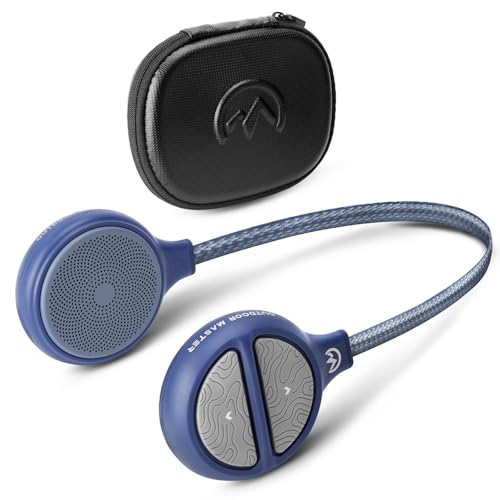 |
OutdoorMaster Drop-In Headphones | Drop-in helmet design | Wireless Bluetooth audio | Ski-focused design | View on Amazon | Read Review |
| Multi-Sport Flexibility |  |
M Jiuyunmu Bluetooth 5.3 Speakers | Bluetooth 5.3 connectivity | True wireless design | Supports multiple sports | View on Amazon | Read Review |
More Details on Our Top Picks
-
ALECK Core Helmet Speakers
For skiers and snowboarders who want a straightforward helmet audio setup, the ALECK Core is the strongest all-around pick. It offers wireless Bluetooth audio, glove-friendly controls, and a hands-free microphone, making it practical on the lift, trail, or during a quick phone call.
The main limitation is compatibility. The listing identifies the system for audio-ready helmets, but it does not provide a confirmed helmet model list or detailed battery information, so check your ear-pocket design before buying.
- Brand:ALECK
- Audio Type:Wireless Bluetooth
- Helmet Fit:Audio-ready helmets
- Controls:Glove-friendly
- Microphone:Built-in
- Additional Feature:Designed for skiing
- Additional Feature:Designed for snowboarding
- Additional Feature:Hands-free calling
-
ALECK Pro Helmet Speakers
The ALECK Pro suits riders who want helmet-integrated speakers with easy controls and calling support. Its stated fit for audio-ready helmet ear pockets gives you a clear starting point for compatibility, while glove-friendly controls keep basic adjustments manageable in cold weather.
You will need a compatible helmet with the right ear pockets, and the available product information does not confirm battery life, speaker tuning, or additional connectivity features. That makes this a focused option rather than a fully documented feature package.
- Brand:ALECK
- Audio Type:Wireless Bluetooth
- Helmet Fit:Audio-ready ear pockets
- Controls:Glove-friendly
- Microphone:Built-in
- Additional Feature:Ski helmet compatibility
- Additional Feature:Snowboard helmet compatibility
- Additional Feature:Hands-free calls
-
Origem Bluetooth 6.0 Speakers
Choose the Origem if Bluetooth 6.0 is the feature guiding your decision. The product is positioned as a wireless audio solution for ski and snowboard helmets, giving you a compact alternative to ordinary over-ear headphones beneath a helmet.
The listing does not specify its helmet attachment method, controls, microphone, or battery capacity. Confirm how the speakers install and whether your helmet has enough ear-pocket space before ordering, because a modern Bluetooth number cannot fix an awkward physical fit.
- Brand:Origem
- Audio Type:Wireless Bluetooth
- Bluetooth Version:6.0
- Additional Feature:Ski helmet use
- Additional Feature:Snowboard helmet use
- Additional Feature:Helmet speaker design
-
OutdoorMaster Drop-In Headphones
The OutdoorMaster option makes sense if you want drop-in helmet headphones without a complicated product description. Its wireless Bluetooth format is aimed at keeping audio equipment inside a ski helmet, which can be cleaner than managing separate headphones and winter layers.
The available details do not confirm microphone support, control style, Bluetooth version, or exact helmet compatibility. Before buying, verify that your helmet accepts drop-in speakers and has suitable ear cavities, since the fit is the whole story here.
- Brand:OutdoorMaster
- Audio Type:Wireless Bluetooth
- Helmet Fit:Drop-in design
- Additional Feature:Ski helmet compatibility
- Additional Feature:Integrated helmet placement
- Additional Feature:Wireless listening
-
M Jiuyunmu Bluetooth 5.3 Speakers
M Jiuyunmu targets riders who want one Bluetooth 5.3 headset for several outdoor activities. The listing names skiing, snowboarding, and mountain biking, while the true wireless design may appeal if you prefer a less connected setup.
The product information does not explain helmet fit, controls, microphone capability, or battery life. That leaves the physical installation as the key question, especially if you plan to move the speakers between ski and bicycle helmets.
- Brand:M Jiuyunmu
- Audio Type:True wireless Bluetooth
- Bluetooth Version:5.3
- Additional Feature:Skiing compatibility
- Additional Feature:Snowboarding compatibility
- Additional Feature:Mountain biking compatibility
Frequently Asked Questions
Can You Use Regular Earbuds Under A Ski Helmet?
You can, but regular earbuds may create pressure points, loosen the helmet’s fit, or make it harder to hear surrounding sounds. Bulky over-ear headphones are usually less comfortable and can interfere with the helmet’s ear coverage. Helmet-specific speakers or slim earbuds are generally better suited to the confined space. Keep the volume low enough to hear nearby voices and warning sounds, especially on crowded runs.
Are Ski Helmet Headphones Safe?
Ski helmet headphones can be safe when they preserve the helmet’s original fit and allow adequate awareness of your surroundings. Audio should never prevent you from hearing other riders, vehicles, alarms, or instructions. Do not alter the helmet shell or remove protective components to accommodate headphones. Install speakers only in designated ear-pad pockets, and stop using the setup if it creates pressure, gaps, or movement.
How Long Should The Battery Last?
Look for at least 8 hours of battery life if you expect to ski all day, since cold weather can reduce the stated runtime. A longer rating gives you useful margin for lift rides, calls, and the trip back to the car. Charge the headphones before each outing and keep a small power bank available when practical. Store the power bank in a warm, dry pocket, not loose in wet gear.
Do Ski Helmet Headphones Work With iPhones And Android Phones?
Most current models connect to both iPhones and Android phones through Bluetooth, so phone type is rarely the deciding factor. Check the product specifications for supported Bluetooth profiles, especially if you want hands-free calling or voice assistant access. Some communication systems use a dedicated app for setup, group pairing, or firmware updates. Verify that the app supports your phone’s operating system before purchasing, because a great speaker with an unusable setup process is still a headache.
Can You Talk To Other Skiers With Helmet Headphones?
Basic Bluetooth headphones usually support phone calls but not direct rider-to-rider communication. For group conversations, look for a mesh intercom system or a dedicated ski communication unit. Check the advertised range, group size, microphone performance, and battery life in cold conditions. Buildings, trees, terrain, and crowded slopes can reduce communication range, so treat published distances as best-case figures rather than mountain law.