The quest to identify when were headphones invented leads us back to the early 20th century, a time when the world of telecommunications was undergoing a radical transformation. While many assume that personal audio devices are a modern phenomenon born from the digital age, the reality is that the foundation for the headphone was laid long before the advent of the transistor or the integrated circuit. Understanding the timeline of this invention requires looking at the intersection of telegraphy, naval communication, and the burgeoning interest in high-fidelity sound reproduction that defined the era.
The Early Days of Telephony and Communication
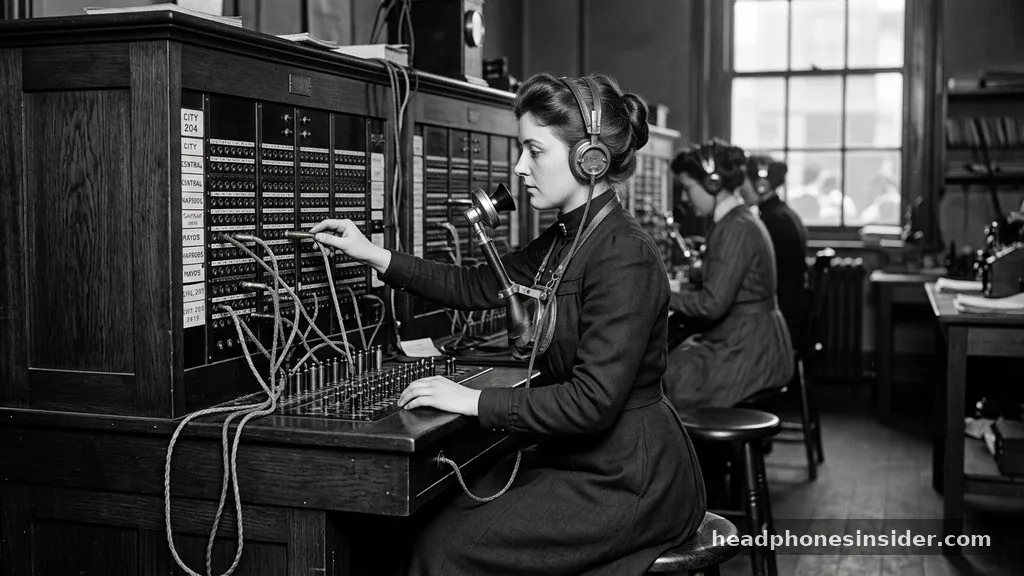
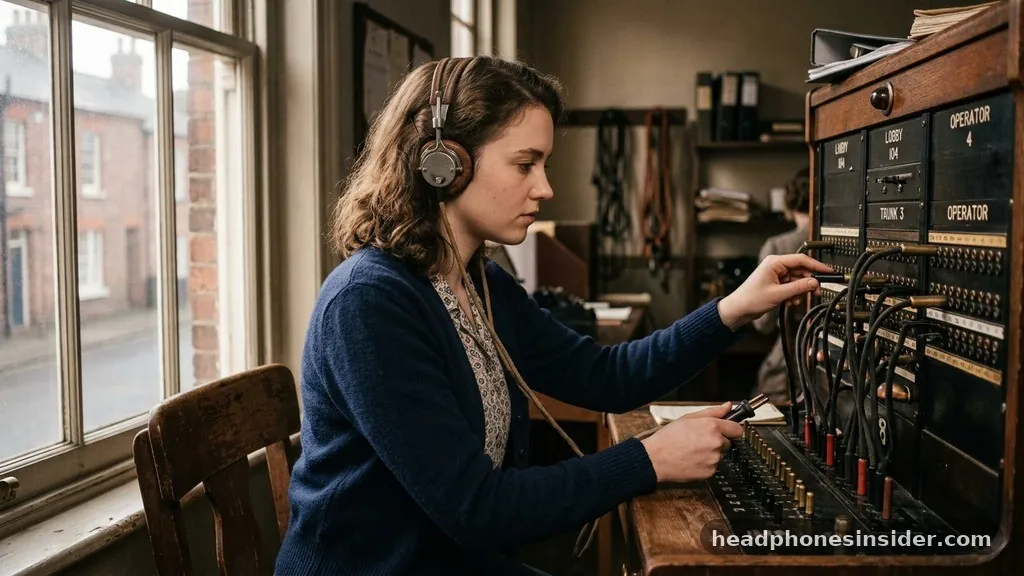
When were headphones invented in the context of professional utility? The answer lies in the late 19th and early 20th centuries, when telephone operators required a hands-free method to manage incoming calls. Before the dedicated consumer headphone existed, operators wore heavy, single-ear receivers held in place by metal headbands.
These devices were rudimentary, often uncomfortable, and designed strictly for functionality rather than comfort or audio quality. The need for a more stable and efficient way to monitor signals was the primary driver for early engineering efforts.
In this nascent stage, the design was purely utilitarian. The equipment was bulky, typically weighing several pounds, and required a direct connection to a telephone exchange or telegraph station. The sound quality was often poor, plagued by static and interference, yet it represented a breakthrough in human-machine interaction.
These early devices were the direct ancestors of the modern headset, proving that the concept of mounting speakers directly to the ear was a viable solution for professionals who needed both hands free to operate switches or transcribe messages. This period established the core design philosophy that still persists today: a headband connecting two transducers positioned over or inside the ears.
The Breakthrough: Nathaniel Baldwin and the Naval Connection
The most significant milestone in the history of audio hardware occurred in 1910, when Nathaniel Baldwin, a self-taught engineer from Utah, developed the first true prototype of a modern headphone. Baldwin, working in his kitchen in the United States, crafted a pair of headphones that used a significantly improved acoustic design. He recognized that the existing telephone receivers were inefficient and sought to create a more sensitive system that could amplify weak signals.
Baldwin sent a prototype to the United States Navy, which was initially skeptical of his invention. However, after testing the device, the Navy realized that his design provided superior clarity compared to the standard equipment of the time. The Navy eventually adopted his technology, marking the first time a mass-produced, high-performance headphone was used for official government communications.
Baldwin’s innovation was not just in the form factor; it was in the internal mechanics. By utilizing a more effective driver system, he managed to provide a much higher level of audio output from a lower power input.
This was crucial for radio operators who needed to distinguish faint signals across long distances. His contribution is widely recognized as the pivotal moment in the history of headphones, bridging the gap between clumsy telephone equipment and the high-fidelity devices we recognize today.
The Transition to Consumer Music Consumption
The leap from professional communication tools to consumer entertainment devices did not happen overnight. For several decades, the use of headphones remained largely confined to radio enthusiasts, military personnel, and switchboard operators. It wasn’t until the late 1950s that the industry saw a shift toward high-fidelity music listening.
John C. Koss changed the landscape forever in 1958 with the introduction of the Koss SP/3, the first stereo headphone designed specifically for music playback.
Before the Koss SP/3, there was no market for personal listening. People listened to music through large, stationary loudspeakers in their living rooms. The introduction of the Koss headphones allowed users to listen to their favorite records in private, with a degree of stereo separation that was previously unattainable in a portable format.
This innovation transformed the headphone from a tool of industry into a symbol of personal freedom. The ability to isolate oneself with music became an instant hit, paving the way for the portable audio revolution that would follow in the 1970s and 1980s.
This shift also forced engineers to focus on comfort, weight distribution, and frequency response, as audiophiles demanded a richer, more nuanced sound profile than the narrow-band audio required for voice communication. You can find more historical context on audio hardware development via the Library of Congress archives, which document the technological shifts of the 20th century.
Evolution of Portable Audio and the Wireless Revolution

The 1970s and 1980s served as the golden era for portable music, driven by the desire for mobility. The invention of the portable cassette player fundamentally changed how people interacted with technology.
Suddenly, headphones were no longer a stationary luxury; they became an essential accessory for the commuter, the student, and the traveler. This era also saw the miniaturization of drivers, leading to the rise of ear-bud style designs that could fit comfortably inside the ear canal.
As technology progressed, the cord became the primary constraint. Consumers began to demand more flexibility, leading to the early development of infrared and radio-frequency wireless systems in the 1990s. While these early wireless solutions were plagued by short range and poor audio quality, they set the stage for the massive success of Bluetooth.
The transition to Bluetooth technology in the 21st century finally solved the issues of latency and battery life, allowing wireless headphones to become the standard for the average consumer. Today, the design of these devices incorporates active noise cancellation, haptic feedback, and advanced digital signal processing that would have been unimaginable to the early pioneers of the 1910s.
Comparing Audio Hardware Evolution
The evolution of headphone design can be categorized by the primary use case and the technology utilized to deliver sound. The following table highlights the major shifts in how audio has been delivered to the listener over the last century.
| Era | Primary Technology | Main Use Case |
|---|---|---|
| 1910s – 1940s | Electromagnetic Drivers | Military and Telephone Operators |
| 1950s – 1970s | High-Fidelity Dynamic Drivers | Home Stereo Listening |
| 1980s – 1990s | Miniaturized Dynamic Drivers | Portable Cassette/CD Players |
| 2000s – Present | Bluetooth & Digital Processing | Streaming & Mobile Integration |
This progression demonstrates that while the core goal—delivering private sound—has remained constant, the underlying technology has shifted from manual, mechanical amplification to complex, software-driven digital streams.
Addressing Common Misconceptions and Gaps
A frequent point of confusion is the distinction between early telephone headsets and true headphones. Many people ask, “Did headphones exist in the 1970s?” or “Did the 1960s have headphones?” The answer is a definitive yes, but they were vastly different from what we use today.
The misconception often stems from the fact that earlier devices were primarily wired and bulky. There is also a common inquiry regarding why Gen Z is suddenly favoring older, wired styles. This trend is driven by a desire for aesthetic authenticity and the avoidance of the charging fatigue associated with wireless devices.
Furthermore, it is important to clarify that Nathaniel Baldwin’s invention was not the result of a single “eureka” moment but rather the culmination of years of experimenting with magnetism and diaphragm materials. His work was part of a larger, global effort to improve signal clarity. Many inventors in Europe and the United States were working on similar problems, but Baldwin’s unique approach to the driver housing and his successful pitch to the Navy solidified his place in history.
Another gap in public knowledge is the role of the 1970s in the invention of “in-ear” designs. While often associated with the digital music era, the first in-ear monitors were actually developed for musicians and stage performers decades before they reached the mass consumer market.
When evaluating the history of this technology, keep the following milestones in mind:
- 1910: Nathaniel Baldwin creates the first modern headset for the Navy.
- 1958: John C. Koss introduces the SP/3, the first stereo music headphone.
- 1979: The launch of portable cassette players makes headphones a fashion statement.
- 1990s: Early adoption of infrared and RF wireless systems begins.
- 2000s: Bluetooth standards create the modern wireless listening experience.
The Future of Personal Audio
As we look toward the future, the integration of artificial intelligence and spatial audio is set to redefine the listening experience once again. The invention of the headphone has come a long way from the heavy, uncomfortable iron bands of the early 20th century.
Today, we have devices that not only play sound but also monitor biometric data, translate foreign languages in real-time, and adapt audio output based on the shape of the user’s ear canal. The history of when were headphones invented serves as a testament to human ingenuity and our persistent desire to curate our own sonic environment.
Frequently Asked Questions
Was Nathaniel Baldwin the only person inventing headphones in the 1910s?
No, Baldwin was not the sole inventor working on audio technology at the time. However, his specific design for a more sensitive transducer system was the most successful and practical for naval communication, which is why he is most frequently credited with the invention of the modern headphone.
Why did the United States Navy show interest in early headphones?
The Navy required clear communication during radio operations in noisy environments. Standard telephone receivers were inefficient for these tasks. Baldwin’s design provided the necessary sensitivity to amplify faint radio signals, allowing operators to communicate more reliably across long distances, which was a critical strategic advantage.
When did wireless headphones become popular for everyday use?
While wireless technology existed in the 1990s, it did not become mainstream until the mid-2010s. The improvement of Bluetooth protocols, which significantly reduced latency and improved battery efficiency, combined with the removal of headphone jacks on smartphones, accelerated the adoption of wireless headphones into the primary consumer choice.
Did people use headphones for music before the 1950s?
Before the 1950s, headphones were almost exclusively used for professional communication and radio monitoring. The concept of using them for personal music enjoyment was pioneered by John C. Koss in 1958, which transitioned the technology from a workplace tool to a consumer entertainment device.
The journey from a kitchen-table experiment in Utah to the sophisticated, wireless, noise-canceling devices we carry in our pockets today is a remarkable story of technological evolution. By understanding the origins and the developmental milestones of this essential piece of hardware, we gain a deeper appreciation for the engineering that powers our daily lives.
Whether you are an audiophile or simply someone who enjoys the convenience of modern audio, the history of this invention is a fascinating study of how a simple need for clearer communication can eventually transform the way the entire world experiences sound. If you found this historical overview helpful, feel free to explore more about the evolution of consumer electronics and how these innovations continue to shape our modern lifestyle.