Navigating the complexities of modern road safety often leads to questions about how technology intersects with our daily commute. One of the most common queries involves whether can you wear headphones while driving without violating local statutes or compromising your situational awareness.
While many drivers assume that if a device is not explicitly banned, it is permissible, the reality is a patchwork of regional laws that vary significantly from one jurisdiction to another. Understanding the nuances of these regulations is essential for any responsible driver who values both compliance and personal safety on the road.
The Legal Landscape of Wearing Headphones Behind the Wheel
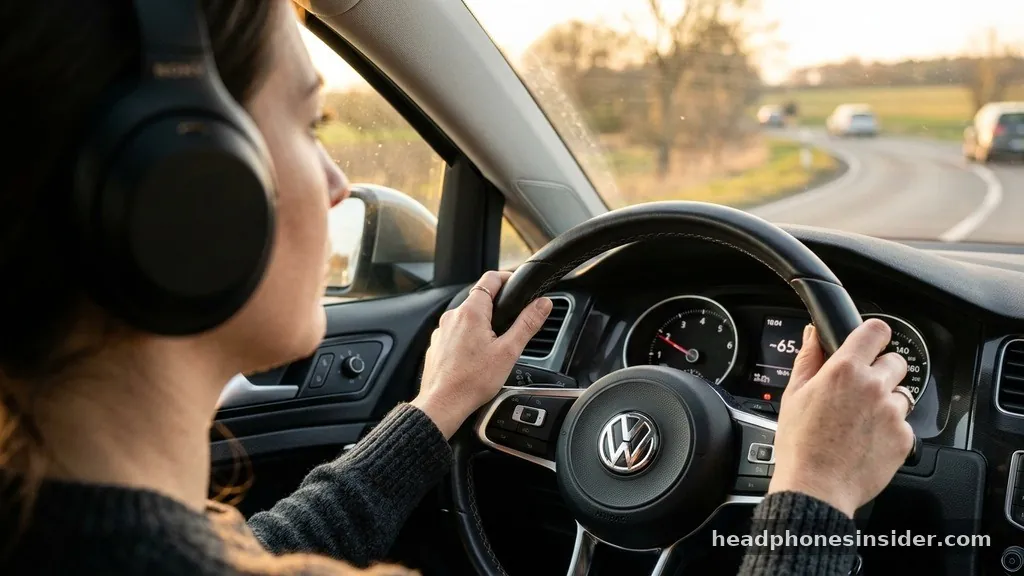
When asking whether you can you wear headphones while driving, the short answer is that there is no universal federal mandate; instead, legality is determined by individual states. In some regions, wearing headphones is strictly prohibited to ensure that motorists remain fully connected to the auditory environment around them.
In others, the law may be more lenient, provided that the device does not obstruct the driver‘s ability to hear sirens, horns, or other essential traffic signals. This regulatory fragmentation means that a practice perfectly legal in one city might result in a citation just a few miles away after crossing a state line.
Most legislative bodies categorize the use of audio equipment under broader statutes regarding distracted operating of a motor vehicle. The primary concern for lawmakers is the potential for distraction that occurs when a driver is immersed in music, podcasts, or phone calls.
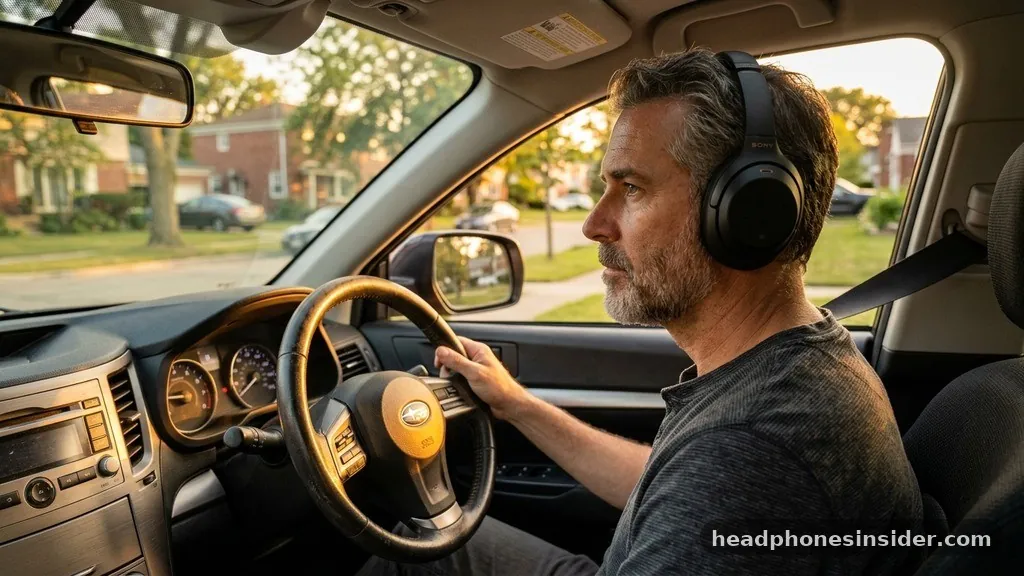
When you use headphones earbuds that provide active noise cancellation, you effectively create a sensory barrier between yourself and the external world. This reduction in hearing sensitivity can be a critical factor in a traffic accident, as the ability to perceive an emergency vehicle’s siren or a sudden tire blowout is vital for split-second decision-making.
Regional Variations and State-Specific Regulations
Because local laws differ, it is important to research the specific requirements in your area. For instance, in some states, the restriction applies only to the use of both ears, while in others, any form of headset is considered a violation. You might find that Florida and several other jurisdictions have specific language regarding the use of headsets, often including exceptions for those using a single-ear device to facilitate hands-free communication.
To help clarify how these rules often break down, consider the following table which highlights the general approaches taken by various legislative bodies regarding the use of audio devices while operating a vehicle.
| Regulation Category | Description of Enforcement | Impact on Driver |
|---|---|---|
| Strict Prohibition | Total ban on any headphones or earbuds. | Zero tolerance for audio devices covering the ears. |
| One-Ear Allowance | Permits use of a single earpiece for calls. | Requires keeping one ear open to ambient noise. |
| Distraction-Based Laws | No specific ban, but illegal if it causes a crash. | Legal until the behavior contributes to an incident. |
| Hands-Free Only | Allows devices if they enable hands-free phone use. | Focuses on the phone integration rather than the audio. |
The Role of Auditory Awareness in Road Safety
Human perception relies heavily on sensory input, and auditory cues serve as a primary warning system. When you decide to wear headphones while behind the wheel, you are intentionally filtering out a portion of the environment. Even at low volumes, the physical presence of ear-covering devices can dampen external sounds, making it harder to detect subtle cues like the engine noise of a motorcycle in your blind spot or the rhythmic warning of a malfunctioning traffic signal.
Safety experts argue that the cognitive load involved in listening to complex audio, such as a podcast or an audiobook, can further exacerbate the risk of distraction. When a driver is mentally engaged with content, their reaction time can lag significantly.
This is why many organizations, such as the National Highway Traffic Safety Administration, emphasize the importance of keeping one’s full focus on the driving task. Relying on visual input alone is rarely enough when navigating high-density traffic where auditory warnings provide the first indication of a potential hazard.
Exceptions and Practical Alternatives for Drivers

If you are looking for ways to stay connected without violating the law, it is essential to understand the exceptions often provided in traffic codes. Many jurisdictions allow for the use of a single-ear headset, specifically for the purpose of taking phone calls, as this is viewed as an extension of standard hands-free technology. This approach allows the driver to maintain a level of environmental awareness by keeping one ear unobstructed.
There are several alternatives to using headphones that still allow you to enjoy your preferred audio content:
- Built-in vehicle infotainment systems with Bluetooth connectivity.
- Smartphone mounts that allow for audio playback through the car’s speakers.
- Bone-conduction headsets, which rest outside the ear canal, though these are still subject to local scrutiny.
- Auxiliary cables or FM transmitters to sync devices directly to the vehicle audio system.
- Voice-activated assistants that allow for hands-free control of music and navigation.
Using these methods ensures that the audio is integrated into the vehicle’s cabin space rather than isolating the driver from the road. By keeping the sound externalized, you ensure that you can hear everything happening outside your windows, which is a major factor in avoiding a potential personal injury claim following a collision.
How Insurance and Legal Liabilities Intersect
Beyond the immediate risk of a police citation, there are significant financial and legal implications if you are involved in an accident while using headphones. If an investigation reveals that you were wearing an audio device at the time of a crash, it can be used as evidence of negligence. In the eyes of an insurance adjuster or a court of law, this could be interpreted as a failure to exercise reasonable care while operating a motor vehicle.
If a collision occurs, your history of using such devices could impact the settlement process. If the other party can demonstrate that your use of headphones contributed to your failure to hear an emergency signal or a warning horn, your liability could increase significantly.
This is why seeking legal advice after any incident is crucial, as the specifics of how you were using the technology can change the outcome of a personal injury case. Insurance policies often have clauses regarding “distracted driving,” and being found in violation of local statutes can lead to increased premiums or even claim denials.
Addressing Topical Gaps: The Reality of Modern Connectivity
A common misconception is that if a device is wireless, it is somehow less distracting than a wired one. However, the mechanism of the device—whether it is an AirPod or a wired set—is secondary to the impact it has on your hearing and mental focus. Many drivers assume that if they can hear the radio, they can hear the road, but the psychological phenomenon of “inattentional deafness” means that when your brain is focused on an internal audio stream, it may ignore external stimuli even if they are audible.
Another gap in common knowledge involves the use of “transparency mode” on high-end earbuds. Drivers often mistakenly believe that because these devices pipe in ambient sound, they are safe to use. While this technology is impressive, it is not a perfect substitute for natural hearing.
Electronic amplification can introduce latency or distortion, which might be just enough to delay your response in an emergency. Relying on technology to keep you safe is never as effective as simply removing the barrier between your senses and the road.
The Importance of Situational Awareness
Ultimately, the choice to use headphones while driving is a trade-off between convenience and safety. While you may feel that you are a capable driver who can multitask effectively, the unpredictable nature of traffic means that you never know when you will need 100% of your sensory capacity. A car is a heavy piece of machinery, and the responsibility of operating it safely requires that you remain fully present.
Maintaining awareness involves more than just keeping your eyes on the road; it involves maintaining an active, open connection to the auditory environment. When you remove that connection, you are effectively operating with a sensory handicap. Whether or not it is strictly illegal in your specific state, prioritizing your ability to hear the world around you is a fundamental aspect of defensive driving.
Key Takeaways for Safe Driving Practices
When navigating the question of whether you can you wear headphones while driving, the most prudent path is to avoid them entirely whenever possible. By keeping your ears free, you maximize your ability to react to emergency vehicles, other drivers, and potential road hazards. Always check your local Department of Motor Vehicles website for the most current statutes in your state, as these rules are subject to change as technology evolves.
If you must use a device for communication, opt for a hands-free setup that utilizes your car’s built-in sound system. This keeps your focus where it belongs—on the road and the safety of everyone around you.
Taking these small steps can make a massive difference in your safety profile and ensure you stay compliant with the law. If you have any doubts about the local regulations in your area, it is always safer to err on the side of caution and keep your audio devices stored away until you have reached your destination.
Frequently Asked Questions
Is it illegal to wear headphones while driving in all states?
No, it is not illegal everywhere. Many states have specific laws regarding the use of headphones, while others have broader distracted driving statutes that may apply. It is essential to check the specific vehicle codes in your state to understand your local requirements.
Can I use one earbud while driving to stay safe?
Some states explicitly permit the use of a single earpiece to allow for hands-free phone calls. However, even where this is permitted, it can still be considered a distraction if it contributes to a traffic accident or prevents you from hearing emergency sirens.
Does wearing headphones affect my insurance if I get into a crash?
Yes, it can. If you are involved in an accident, the use of headphones can be used as evidence of negligence. Insurance providers may factor this into their liability assessment, which could impact your claim settlement or lead to higher insurance premiums for future coverage.
Are noise-canceling headphones allowed while driving?
In most jurisdictions, noise-canceling headphones are highly discouraged or prohibited because they completely isolate the driver from ambient sounds. Even if a specific law does not mention them by name, they are likely to be classified as a significant distraction under general traffic safety statutes.