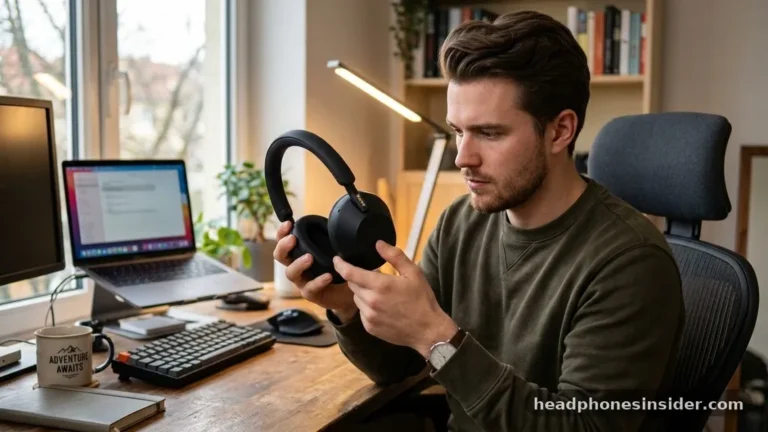

When considering whether are bone conduction headphones safe for long-term use, it is essential to understand the unique mechanism behind how they deliver audio. Unlike traditional headphones that rely on air conduction to vibrate the eardrum, bone conduction technology utilizes transducers to send sound vibrations directly through the cheekbones to the inner ear.
This bypasses the outer and middle ear entirely, which has sparked significant interest among audiophiles, runners, and individuals concerned about hearing health. Because these devices leave the ear canal completely open, they offer a fundamentally different listening experience compared to standard earbuds or over-ear models, leading many to wonder if this alternative approach offers a superior safety profile for your auditory system.
Understanding the Mechanics of Bone Conduction Technology
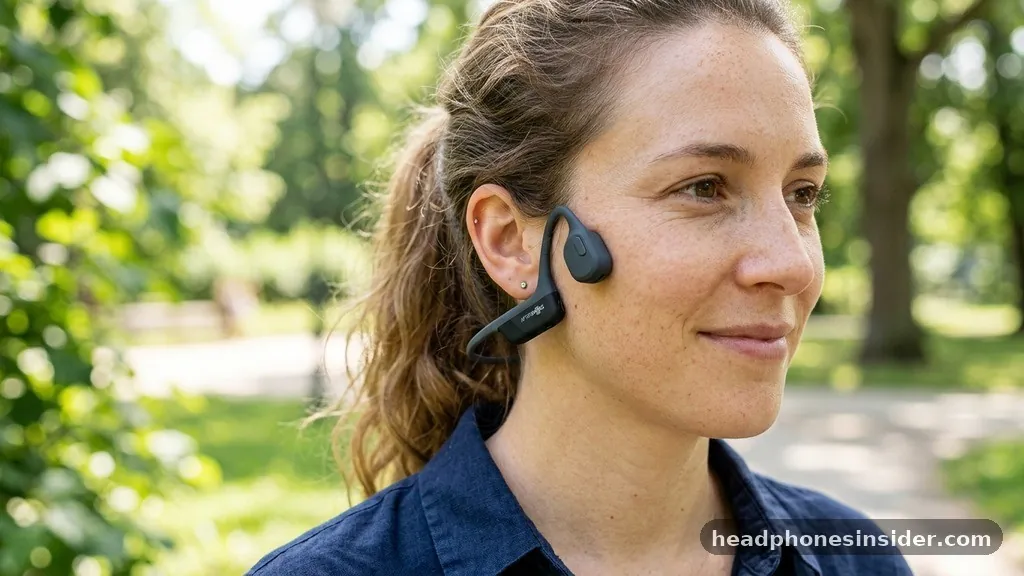
Bone conduction headphones are safe because they utilize a non-invasive method of sound delivery that bypasses the sensitive structures of the outer and middle ear. Instead of pushing sound waves through the ear canal, the transducers rest on the zygomatic bones—the cheekbones—located just in front of the ears.
When you play music or podcasts, these transducers create micro-vibrations that travel through your bone structure directly to the cochlea. By stimulating the auditory nerve in this way, the sound reaches the brain effectively without requiring the eardrum to vibrate at high intensities.
This physiological distinction is the primary reason why many audiologists suggest these devices as a viable alternative for people who are prone to ear infections or those who experience discomfort from traditional earbuds. Because the ear canal remains unblocked, there is no physical pressure exerted on the eardrum, nor is there a buildup of moisture or bacteria that commonly occurs with in-ear monitors.
This design also facilitates situational awareness, as the user can hear ambient sounds like traffic, conversations, or environmental alerts simultaneously with their audio content. From a mechanical standpoint, this integration of technology minimizes the risk of physical trauma to the delicate components of the middle ear.
Evaluating the Risk of Noise-Induced Hearing Loss
The primary concern regarding whether are bone conduction headphones safe often centers on the potential for noise-induced hearing loss. While it is a common misconception that bone conduction is inherently safer at high volumes, the reality is that the cochlea is just as susceptible to damage from loud vibrations as it is to loud air-conducted sound.
Sound, regardless of the delivery method, is measured in decibels (dB), and the damage threshold remains consistent for the human ear. If you listen to music at excessively high levels, the vibrations transmitted through your bones can still overload the hair cells in the cochlea, leading to the same types of auditory fatigue and long-term damage associated with traditional headphones.
To maintain safety, users must manage their volume levels responsibly. Because bone conduction devices provide a different frequency response—often lacking the deep bass presence found in high-end closed-back headphones—users may be tempted to increase the volume to compensate. This is a critical trap to avoid.
If you are pushing your audio levels above 60-70% for extended periods, you are entering the danger zone for hearing health. It is not the conduction method that determines safety; it is the intensity of the acoustic energy reaching the inner ear. Therefore, practicing moderation is just as vital with these devices as it is with any other audio equipment.
Comparing Bone Conduction with Traditional Audio Devices
When comparing bone conduction to traditional headphones or earbuds, several distinct safety and health factors emerge. Traditional in-ear models often create a seal within the ear canal, which can lead to localized pressure, wax impaction, and potential irritation of the sensitive skin lining the ear. In contrast, open-ear designs remove these physical variables.
However, traditional over-ear headphones, when designed with high-quality padding and proper acoustic isolation, can provide a rich soundscape at lower volumes because they naturally block out environmental noise. This allows users to enjoy their music without needing to “drown out” the world.
| Feature | Bone Conduction | Traditional In-Ear | Over-Ear Headphones |
|---|---|---|---|
| Ear Canal Status | Open | Blocked/Sealed | Covered |
| Primary Risk | High-volume vibration | Wax buildup/Pressure | Ear fatigue/Weight |
| Situational Awareness | Excellent | Low | Variable |
| Hygiene Concerns | Minimal | Moderate to High | Moderate |
As shown in the table above, the choice between these styles often comes down to the specific use case. If you are an outdoor runner, the situational awareness provided by bone conduction is a massive safety upgrade.
If you are an office worker looking for high-fidelity sound isolation, traditional over-ear models may be more appropriate. The safety profile of each is dependent on how the user manages the volume and the duration of their listening sessions throughout the day.
Addressing Concerns About Tinnitus and Hearing Loss

For individuals already suffering from tinnitus or existing hearing loss, the question of whether are bone conduction headphones safe is particularly relevant. Some users report that bone conduction provides a more comfortable listening experience, as it doesn’t exacerbate the “occlusion effect”—that hollow, booming sound you hear in your own head when your ears are plugged.
Because these headphones keep the ear canal open, they allow for a more natural sound perception that can be less jarring for those with sensitive hearing. Furthermore, for individuals with conductive hearing loss (where the outer or middle ear is damaged but the cochlea is healthy), bone conduction can actually be a clinical tool used to bypass the damaged area to deliver clear audio.
However, it is important to note that bone conduction is not a cure for sensorineural hearing loss. If the damage lies within the cochlea or the auditory nerve, simply changing the delivery method will not restore clarity. If you are experiencing symptoms of tinnitus, it is highly recommended to consult with a medical professional.
You can read more about the clinical perspectives on auditory health through the National Institute on Deafness and Other Communication Disorders for evidence-based insights into how to best manage your hearing. Always ensure that any device you use does not trigger or worsen your existing auditory symptoms.
Best Practices for Safe Listening Habits
To ensure your listening habits remain safe regardless of the technology you use, it is best to adopt a structured approach to your audio consumption. First and foremost, utilize the “60/60 rule”: listen at no more than 60% of the maximum volume for no more than 60 minutes at a time. This provides your inner ear with necessary recovery periods.
When using devices like the Shokz OpenRun or other similar models, be mindful of the “tickle” sensation that can occur at high volumes. This is a physical indicator that the vibrations are becoming too intense for your cheekbones, which serves as a built-in warning sign that you are pushing the intensity too far.
* Limit continuous listening sessions to under one hour to allow the hair cells in the cochlea to rest.
* Monitor for physical skin irritation where the transducer makes contact with your temples.
* Avoid using bone conduction headphones in high-noise environments where you might be tempted to crank the volume to dangerous levels.
* Clean your device regularly to prevent skin oils or debris from accumulating on the transducers.
* Prioritize comfort; if the headset feels too tight or causes headaches, adjust the fit or take a break.
By following these guidelines, you can mitigate the vast majority of risks associated with personal audio devices. It is also worth noting that the “fit” of the device is critical.
A loose fit may cause the transducers to lose contact, resulting in a loss of sound quality, while an overly tight fit can cause discomfort over long durations. Finding the “sweet spot” for your head shape is part of the initial setup process for most modern models.
Answering Common Topical Gaps
A frequent gap in the current discourse is the impact of long-term vibration on the skull and surrounding tissues. While there is no evidence to suggest that the low-level vibrations from these headphones cause structural damage to the bone, some users report a sensation of “tingling” or minor headaches after prolonged use. This is generally attributed to the pressure of the headband rather than the vibration itself.
Furthermore, many people ask about radiation. It is important to clarify that bone conduction headphones use electromagnetic transducers, not radio frequencies like cellular devices, meaning they do not emit the type of radiation that causes health concerns.
Another gap involves the “bass” performance. Because these devices rely on physical contact, the bass is felt more than it is heard in the traditional sense. This can lead to a perception of lower audio quality.
To compensate, some users increase the volume, which, as previously discussed, is the primary risk factor for hearing damage. Being aware of this sensory trade-off is essential for users to manage their volume levels effectively. If you feel the need to push the volume to hear the low-end frequencies, it is better to choose a different pair of headphones that offer better acoustic reproduction rather than risking your hearing health by overdriving the bone conduction transducers.
Frequently Asked Questions Regarding Safety
Are bone conduction headphones safe for kids?
Yes, they are generally safe for children, provided the volume is strictly monitored. Because they do not block the ear canal, they are often a better choice for kids who need to remain aware of their surroundings, such as when playing outside or riding a bike.
Do these headphones cause long-term side effects?
There is no clinical evidence suggesting long-term side effects such as bone damage or brain issues. The most common “side effects” are minor skin irritation or headaches caused by poor fit or excessive pressure from the headband, which are easily resolved by adjusting the device.
Is the sound quality comparable to earbuds?
The sound quality is different, not necessarily worse. While they lack the deep, immersive bass of in-ear monitors, they provide a very clear mid-range. They are designed for situational awareness rather than studio-grade fidelity, so your choice should depend on your specific environment and needs.
Can I wear them if I have a hearing aid?
Many users with certain types of hearing loss find them compatible, but you should consult your audiologist. Since bone conduction bypasses the eardrum, it may interact differently with your specific hearing aid setup, so professional guidance is necessary to ensure it doesn’t cause feedback or discomfort.
Final Thoughts on Auditory Wellness
Determining whether are bone conduction headphones safe ultimately depends on your personal habits and how you manage the intensity of your audio experience. These devices represent a significant leap forward in how we integrate sound into our daily lives, particularly for those who prioritize safety while staying active.
By bypassing the ear canal and keeping the eardrum free from pressure, they offer a unique set of benefits that traditional hardware cannot match. However, they remain a source of acoustic energy, and your commitment to moderate volume levels is the single most effective way to protect your hearing.
As you explore the various models available on the market, remember that the best audio experience is one that allows you to enjoy your favorite content without compromising your long-term health. Take the time to ensure a proper fit, keep your listening sessions within reasonable durations, and stay tuned to your body’s signals—if you feel discomfort, take a break.
By maintaining these healthy habits, you can enjoy the many advantages of this innovative technology for years to come. If you have further questions or specific concerns regarding your personal hearing health, consulting with a hearing specialist is always the best next step to ensure you are making the right choice for your needs.