How quiet is quiet enough? For many families, the best noise cancelling headphones for autism need to reduce sharp, overwhelming sounds while staying comfortable through school, travel, or busy events.
This roundup compares eight ear protection options by their noise rating, fit, padding, and intended age range. Keep reading for a clear way to sort the numbers from the features that matter day to day.
Key Takeaways
- Prioritize a verified NRR or SNR rating, since higher attenuation generally means stronger protection from loud surroundings.
- Choose soft, well-sealing cushions and an adjustable headband to reduce pressure during extended wear.
- Check the listed age range and ear-cup size, because a loose seal can weaken noise reduction.
- Prefer lightweight earmuffs with a foldable or compact design for school bags, travel, and public outings.
- Review the pack count and color options if you need a spare pair, sibling coverage, or easier identification.
| Broadest Age Fit |  |
Dr.meter EM100 Kids Adult Earmuffs | Kids-and-adults design | Simple passive protection | Suitable for sensory needs | View on Amazon | Read Review |
| Clearly Rated Choice | 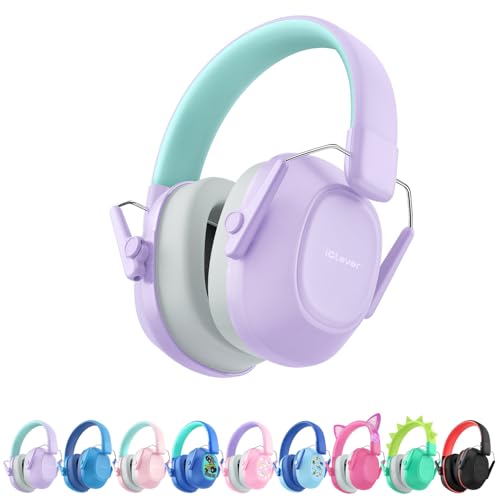 |
iClever EM01 Earmuffs, 29dB SNR | Published 29dB rating | Kids-and-adults design | No batteries required | View on Amazon | Read Review |
| Adult-Focused Shield |  |
Dr.meter C06 Earmuffs, 28 NRR | 28 NRR rating | Adult-oriented design | Straightforward earmuff format | View on Amazon | Read Review |
| Best Family Multipack | 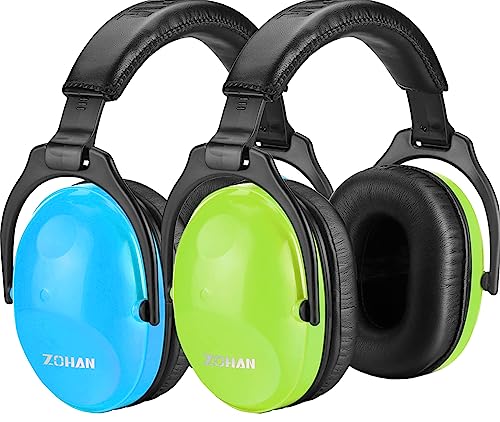 |
ZOHAN Kids Earmuffs, 25 NRR 2-Pack | Two-pair value | Pillowy pad design | 25 NRR rating | View on Amazon | Read Review |
| Toddler-Friendly Pick |  |
Floriogra Kids Earmuffs, 28dB SNR | Toddler-oriented positioning | 28dB SNR rating | Simple passive design | View on Amazon | Read Review |
| Sensory Support Basic |  |
Dr.meter Autism Noise-Reducing Earmuffs | Autism-focused positioning | Simple earmuff design | No electronic controls listed | View on Amazon | Read Review |
| Bright Sensory Protector |  |
PROHEAR 032 Kids Earmuffs, 25 NRR | 25 NRR rating | Toddler and kids focus | Visible orange color | View on Amazon | Read Review |
| Backup Pair Champion | 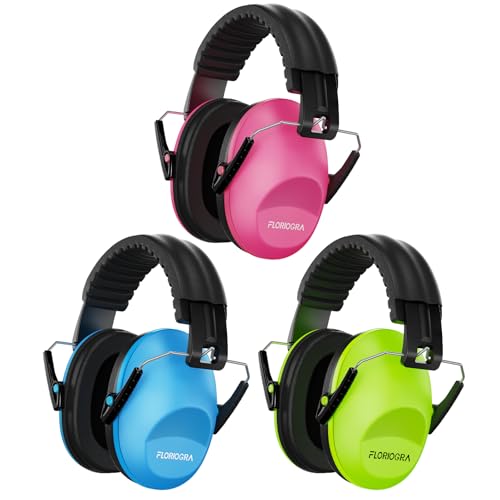 |
Floriogra Kids Earmuffs, 3-Pack | Three-pair format | Kids and toddler focus | Useful for loud events | View on Amazon | Read Review |
More Details on Our Top Picks
-
Dr.meter EM100 Kids Adult Earmuffs
The EM100 is a practical first choice if you need one pair for kids and adults. Its earmuff design suits families managing sensory triggers at home, school, events, or other settings where sudden sound can become overwhelming.
A key strength is its broad intended age range, paired with a simple noise-reduction format that does not require batteries or app controls. The main limitation is that the available listing does not provide a specific noise rating, color, or fit-adjustment details, so you have less information for precise matching.
- Brand:Dr.meter
- Product Type:Noise-reducing earmuffs
- Age Range:Kids and adults
- Additional Feature:EM100 model
- Additional Feature:Ear muff construction
- Additional Feature:Autism-friendly use case
-
iClever EM01 Earmuffs, 29dB SNR
For shoppers who want a published reduction figure, the EM01 gives you a clear 29dB SNR rating. That makes it easier to compare with other passive earmuffs, especially for school, travel, household noise, and sensory-sensitive situations.
The kids-and-adults positioning adds flexibility for shared household use, while the earmuff format keeps operation straightforward. The limitation is that SNR is a laboratory-style rating and does not describe comfort, clamp pressure, or how well the fit will suit a particular child.
- Brand:iClever
- Product Type:Noise-reducing earmuffs
- Age Range:Kids and adults
- Noise Rating:29dB SNR
- Additional Feature:EM01 model
- Additional Feature:Passive ear protection
- Additional Feature:Sensory-use suitability
-
Dr.meter C06 Earmuffs, 28 NRR
The C06 is aimed at adults who need high-rated hearing protection in a conventional ear-muff format. Its 28 NRR rating gives you a concrete benchmark for comparing protection, whether the priority is sensory relief, noisy chores, or loud public environments.
Its adult-focused positioning may make it easier to shortlist for larger head sizes, and the 28 NRR figure is stronger on paper than several lower-rated options here. Still, the listing does not provide fit dimensions, padding details, or a stated color, so comfort and appearance remain open questions.
- Brand:Dr.meter
- Product Type:Noise-reduction earmuffs
- Age Range:Adults
- Noise Rating:28 NRR
- Additional Feature:C06 model
- Additional Feature:Adult hearing protection
- Additional Feature:Autism-use positioning
-
ZOHAN Kids Earmuffs, 25 NRR 2-Pack
The ZOHAN pair makes sense when you need two sets of kids’ earmuffs for siblings, backups, or different locations. The 25 NRR rating is clearly stated, and the listing specifically mentions sensory needs, school, fireworks, concerts, and other loud events.
Pillowy pads are a useful comfort-focused detail, particularly for children who may wear protection for extended periods. The limitation is that a 25 NRR rating offers less stated reduction than the 28 NRR and 29dB SNR options, and the available information does not specify adjustability.
- Brand:ZOHAN
- Product Type:Kids ear protection
- Age Range:Kids
- Noise Rating:25 NRR
- Color:Blue and green
- Pack Count:2-pack
- Additional Feature:Pillowy pads
- Additional Feature:School-use positioning
- Additional Feature:Fireworks and concert use
-
Floriogra Kids Earmuffs, 28dB SNR
Floriogra positions this model for kids and toddlers, making it a useful option for younger children who need help with loud surroundings. The 28dB SNR rating gives you a concrete protection figure, while the earmuff design keeps the product simple to operate.
The combination of toddler-focused sizing language and a published rating is its main appeal. However, the listing does not disclose the fit range, weight, colors, or padding construction, so you should confirm those details before choosing it for a very young child.
- Brand:Floriogra
- Product Type:Kids ear muffs
- Age Range:Kids and toddlers
- Noise Rating:28dB SNR
- Additional Feature:Child-focused design
- Additional Feature:Toddler use case
- Additional Feature:Noise-reduction earmuffs
-
Dr.meter Autism Noise-Reducing Earmuffs
This Dr.meter model speaks directly to families seeking noise reduction for autism and sensory sensitivity. Its straightforward earmuff format may suit routines where avoiding batteries, Bluetooth, and complicated controls helps keep the focus on comfort.
The strongest point is its clearly stated sensory-use purpose, supported by a simple ear-muff construction. The tradeoff is limited published detail: no rating, age range, color, or fit information appears in the supplied listing, so you cannot compare its protection level as precisely as the rated models.
- Brand:Dr.meter
- Product Type:Noise-reduction earmuffs
- Additional Feature:Autism use case
- Additional Feature:Sensory-support positioning
- Additional Feature:Passive ear protection
-
PROHEAR 032 Kids Earmuffs, 25 NRR
The PROHEAR 032 is designed around children, toddlers, and sensory use, with a 25 NRR rating for a clearly defined level of noise reduction. Its orange color also makes it easy to identify in a backpack, classroom, or busy family setting.
This model covers several common use cases, including autism, events, and hearing protection, without introducing electronic features. Its main limitation is the moderate 25 NRR rating, plus the lack of supplied information about headband adjustment, pad materials, or recommended minimum age.
- Brand:PROHEAR
- Product Type:Kids ear protection
- Age Range:Kids and toddlers
- Noise Rating:25 NRR
- Color:Orange
- Additional Feature:032 model
- Additional Feature:Autism-use positioning
- Additional Feature:Sensory-use positioning
-
Floriogra Kids Earmuffs, 3-Pack
A three-pack is the clear reason to choose this Floriogra set, especially if you want spares for home, school, and travel. The listing targets children and toddlers with autism or sensory needs, and it names loud settings such as concerts, air shows, and fireworks.
The multipack format can reduce the frustration of a misplaced pair, which is no small benefit when a noisy event is already underway. The limitation is that the supplied title does not state a noise rating, color breakdown, padding details, or age-specific fit measurements.
- Brand:Floriogra
- Product Type:Kids ear protection earmuffs
- Age Range:Kids and toddlers
- Pack Count:3-pack
- Additional Feature:Autism-use positioning
- Additional Feature:Air-show use case
- Additional Feature:Fireworks and concert use
Frequently Asked Questions
Is active noise cancellation safe for autistic listeners?
ANC is generally safe when you use a comfortable volume and take breaks, but the pressure-like sensation can bother some people. Start with a lower cancellation setting or passive ear protection, then adjust gradually if that feels comfortable. Do not use noise cancellation as a substitute for situational awareness. Keep ambient mode available around roads, bicycles, machinery, alarms, and other places where outside sound matters.
Are over-ear or in-ear headphones better for autism?
Over-ear headphones often suit people who dislike ear canal pressure because the cushions sit around the ears. They can also provide stronger passive isolation, although their weight, heat, or headband pressure may create different sensory problems. In-ear models are smaller and easier to carry, but ear tips can feel intrusive. Choose based on the least irritating fit, not a general rule, and check sizing options such as multiple ear tips or adjustable headbands.
Can noise-cancelling headphones block voices and sudden sounds?
ANC is strongest against continuous, predictable noise, including aircraft engines, road hum, and ventilation systems. It is less effective against speech, claps, alarms, and sudden impacts, so a good seal and closed-back ear cups still matter. If voices are the main trigger, consider headphones with strong passive isolation, speech-reduction settings, or an app that lets you create a custom sound profile. No consumer headphone blocks every sound completely, despite what enthusiastic packaging may suggest.
How much should I spend on headphones for autism?
A useful starting range is $50 to $150, especially if comfort and basic sound reduction are the main goals. Spend around $200 or more when you need stronger ANC, better microphones, multipoint pairing, premium comfort, or longer battery life. Set aside part of the budget for a returnable purchase, because personal sensory preferences are difficult to predict from specifications alone. A less expensive pair that feels comfortable can be a better choice than a premium model that creates pressure or heat.
What features help during sensory overload?
Prioritize fast mode controls, soft cushions, a stable fit, low weight, and a battery that lasts through the day. A wired backup, automatic power-off, and a transparency mode can also make the headphones easier to manage outside the home. Avoid features that add friction, such as mandatory app setup, confusing touch controls, or loud startup sounds. If possible, choose a model with adjustable ANC so you can reduce stimulation without creating an uncomfortable sealed-in feeling.