
Wind needles your cheeks, snow hushes the trail, and ordinary earbuds can feel awkward beneath a helmet. The best snowboarding headphones should keep audio clear without adding pressure, slipping loose, or turning a quick lift ride into a wiring puzzle.
This comparison brings together helmet speakers, true wireless earbuds, and soft headband designs for different riding and listening habits. Keep reading to see which comfort, fit, and battery life priorities deserve attention before you buy.
Key Takeaways
- Prioritize a low-profile fit that sits comfortably beneath your helmet without creating pressure points.
- Choose at least 8 hours of battery life for full-day riding, and remember that cold weather can reduce runtime.
- Look for physical controls that are easy to operate with gloves, rather than relying only on a phone.
- Check for water resistance and secure placement, especially if you ride through wet snow or frequent storms.
- Confirm microphone quality and Bluetooth compatibility if you plan to take calls or use voice controls on the mountain.
| Helmet Audio Pick |  |
Origem Helmet Speakers Bluetooth 6.0 | Helmet-focused design | Bluetooth 6.0 | Low-profile audio option | View on Amazon | Read Review |
| Multi-Sport Fit |  |
M Jiuyunmu Helmet Headphones Bluetooth 5.3 | True wireless design | Bluetooth 5.3 | Multi-sport compatibility | View on Amazon | Read Review |
| Sleepy Headband |  |
MUSICOZY Sleep Headphones Headband | Side-sleeper friendly | Soft headband format | Useful beyond snowboarding | View on Amazon | Read Review |
| Reliable Earbud Set | 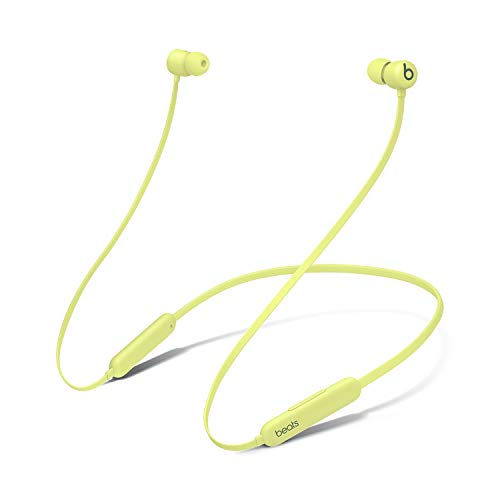 |
Beats Flex Wireless Earbuds 12-Hour | 12-hour listening time | Magnetic earbuds | Built-in microphone | View on Amazon | Read Review |
| Active Headband Choice |  |
MUSICOZY Sports Headband Bluetooth 5.4 | Sports-focused design | Bluetooth 5.4 | Soft headband format | View on Amazon | Read Review |
More Details on Our Top Picks
-
Origem Helmet Speakers Bluetooth 6.0
For snowboarders who want audio built into their helmet setup, the Origem speakers are the most direct match here. Bluetooth 6.0 points to a current wireless connection, while the helmet-speaker design should keep audio closer to your ears without the bulk of over-ear headphones.
The main limitation is a lack of published detail on battery life, controls, microphone quality, and helmet compatibility. Confirm the speaker dimensions and mounting method before buying, since helmet interiors are not exactly known for generous spare space.
- Brand:Origem
- Type:Helmet speakers
- Bluetooth:6.0
- Fit:Ski helmets
- Additional Feature:Wireless Bluetooth connection
- Additional Feature:Snowboard helmet compatibility
- Additional Feature:Integrated helmet speaker format
-
M Jiuyunmu Helmet Headphones Bluetooth 5.3
Choose this pair if you want one audio system for skiing, snowboarding, and mountain biking. Its true wireless helmet-speaker format avoids a dangling neckband, and Bluetooth 5.3 offers a modern connection standard for compatible phones.
The tradeoff is limited published information about battery endurance, weather resistance, microphone performance, and installation. True wireless pieces can also be easier to misplace, so secure storage between runs matters more than it does with a connected pair.
- Brand:M Jiuyunmu
- Type:Helmet headphones
- Bluetooth:5.3
- Fit:Ski and bike helmets
- Additional Feature:True wireless speaker format
- Additional Feature:Snowboard audio support
- Additional Feature:Mountain biking compatibility
-
MUSICOZY Sleep Headphones Headband
The MUSICOZY headband makes the most sense for riders who value soft, low-pressure audio and also want something for travel or rest. Its side-sleeper positioning suggests a fabric headband rather than rigid earbuds, which can be kinder to the ears during extended listening.
For snowboarding, the limitation is clear: it is not presented as a helmet speaker or snow-sports headset. The headband may fit comfortably under some helmets, but warmth, moisture, helmet clearance, and secure placement are not specified.
- Brand:MUSICOZY
- Type:Sleep headphones
- Fit:Side sleepers
- Additional Feature:Bluetooth headband design
- Additional Feature:Fabric-style wearable format
- Additional Feature:Travel and rest use
-
Beats Flex Wireless Earbuds 12-Hour
Beats Flex suits riders who prefer a familiar neckband earbud design instead of helmet-installed speakers. The listed 12-hour listening time, Apple W1 chip, Class 1 Bluetooth, magnetic earbuds, and built-in microphone give it a clear set of everyday strengths.
The connected neckband can become awkward under a helmet or outer layer, and standard earbuds may interfere with helmet fit. It also lacks the purpose-built speaker placement of the first two options, so comfort and cable positioning deserve attention before a full day on the slopes.
- Brand:Beats
- Type:Neckband earbuds
- Bluetooth:Class 1
- Battery Life:12 hours
- Fit:In-ear, neckband
- Microphone:Built-in
- Additional Feature:Apple W1 chip
- Additional Feature:Magnetic earbud housing
- Additional Feature:Wireless microphone support
-
MUSICOZY Sports Headband Bluetooth 5.4
This MUSICOZY model is aimed at sports wireless audio, making it a more activity-focused option than a standard sleep headband. Bluetooth 5.4 is the defining specification, while the headband format may appeal to riders who dislike hard earbuds pressing against the helmet.
It still is not a dedicated helmet speaker system, and the available listing does not specify battery life, microphone performance, weather protection, or helmet clearance. Treat it as a flexible under-helmet audio option, not a guaranteed snow-specific fit.
- Brand:MUSICOZY
- Type:Sports headband
- Bluetooth:5.4
- Fit:Wearable headband
- Additional Feature:Wireless sports audio
- Additional Feature:Headband-style construction
- Additional Feature:Bluetooth 5.4 connection
Frequently Asked Questions
Are earbuds or over-ear headphones better for snowboarding?
Earbuds are usually easier to fit under a helmet, lighter during long sessions, and less likely to interfere with goggle straps. Look for secure tips, wing stabilizers, or ear hooks, and choose a model with water resistance. Over-ear headphones can provide fuller sound and longer battery life, but their ear cups may press against the helmet. Confirm compatibility with your helmet’s ear pads before buying.
Is noise cancellation safe for snowboarding?
ANC can reduce useful sounds, including approaching riders, lift instructions, and verbal warnings. For crowded slopes or unfamiliar terrain, use transparency mode, a lower volume, or one-ear listening instead. Noise cancellation is more suitable during transport, at the lodge, or on quiet sections where you can maintain clear awareness. Keep the feature easy to switch off with a physical button or simple control.
What IP rating should snowboarding headphones have?
Aim for at least IPX4 if you expect sweat, light snow, and occasional splashes. IPX7 offers stronger protection against water exposure, but it still does not cover every kind of impact, connector damage, or moisture inside a charging case. Do not assume an IP rating protects against freezing temperatures. Keep the charging port closed, dry the headphones before charging, and store them in a case rather than loose in a wet jacket pocket.
How can you keep headphone batteries from dying in the cold?
Start the day with a full charge, download music in advance, and carry a compact power bank if your setup supports one. Keep the battery close to your body when possible, since warmth helps preserve available capacity. Avoid leaving headphones in a cold car or exposed backpack pocket overnight. If condensation forms after moving indoors, let the headphones reach room temperature before charging them.
Can you use Bluetooth headphones with any snowboard helmet?
Bluetooth compatibility depends mainly on the headphone shape and the helmet’s interior space, not on the snowboard itself. Low-profile earbuds fit most helmets, while over-ear models need enough room around the ears without shifting the helmet’s protective fit. Test the fit with your goggles and balaclava before heading to the mountain. The helmet should remain snug and stable, with no hard pressure points from the headphones.