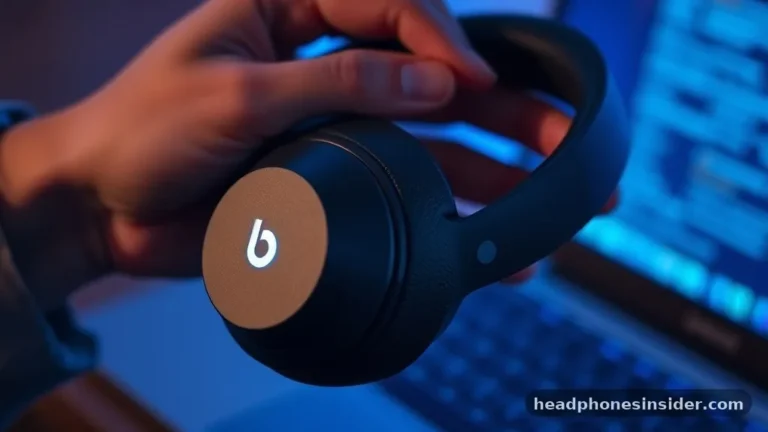
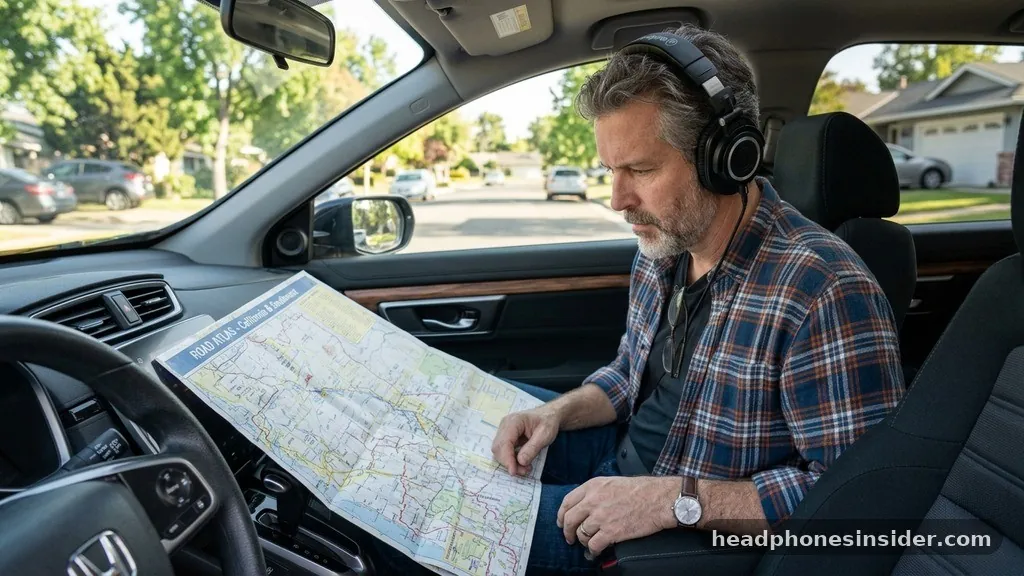
Navigating the complexities of traffic regulations often leaves motorists wondering whether it is illegal to drive with headphones while operating their vehicle. The short answer is that laws vary significantly from one jurisdiction to another, creating a patchwork of regulations across the country.
While some states have clear statutes prohibiting the practice entirely, others remain silent on the issue, leaving the decision to the discretion of law enforcement officers who may interpret such behavior as a form of distracted driving. Understanding these nuances is essential for any responsible operator of a motor vehicle to ensure they remain compliant and safe on the road.
State-by-State Variations in Driving Legislation
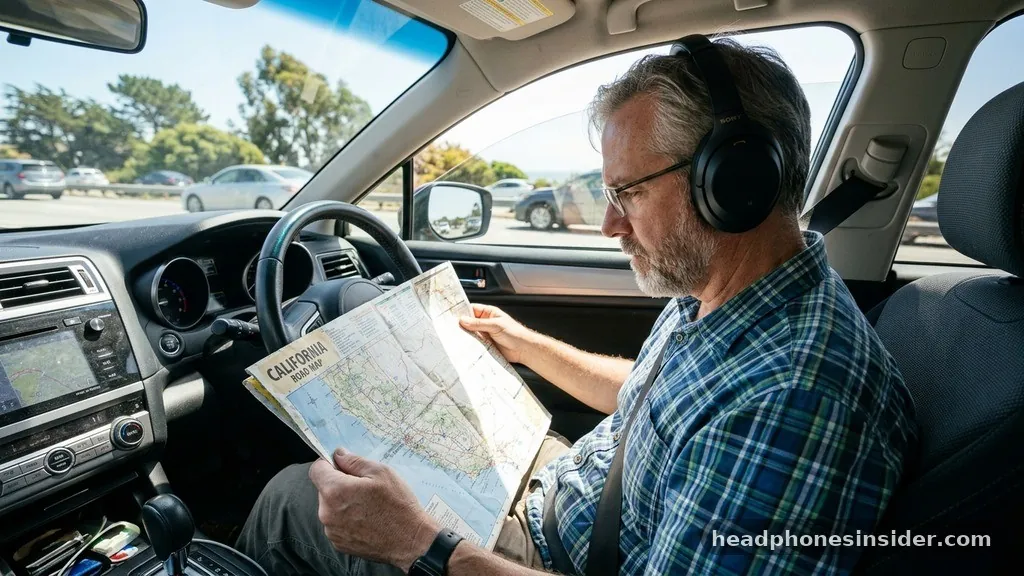
Whether it is illegal to drive with headphones depends heavily on the specific state in which you are operating your vehicle. Legislative bodies have taken vastly different approaches to the use of audio devices behind the wheel.
In states like California or Maryland, there are explicit statutes that regulate or prohibit the use of headsets that cover both ears. Conversely, in many other regions, there is no specific mention of headphones in the vehicle code, leading many to assume that the practice is permitted.
The primary concern for legislators is the impact of sensory deprivation on the ability of a driver to react to their surroundings. A driver who cannot hear emergency sirens, train whistles, or the warning honks of other motorists is at a significant disadvantage. In states such as Illinois, the legal framework is more restrictive, often banning the use of any device that obscures or prevents the driver from hearing sounds outside the vehicle.
Other states, like Texas, have focused more on mobile phone usage, yet prosecutors may still leverage general distracted driving laws to penalize those using headphones if they are involved in a collision. It is vital for every driver to research the specific vehicle code of their home state and any states they plan to travel through to avoid accidental non-compliance.
The Role of Distracted Driving and Public Safety
The primary argument against wearing headphones while behind the wheel centers on the concept of distracted driving. While most people associate this term with texting or using a phone, auditory distraction is a critical component that is often overlooked.
When a driver chooses to wear headphones, they are effectively creating a sound-proof barrier between themselves and the outside world. This can significantly increase the risk of a car accident by preventing the driver from hearing auditory cues that are essential for safe navigation.
Beyond the legal implications, the safety risks are tangible. Emergency vehicles, such as ambulances and fire trucks, rely on sirens to alert motorists of their presence. If a driver has their music or a podcast playing at a high volume through noise-canceling headphones, they may fail to yield the right of way, leading to potentially catastrophic outcomes.
Furthermore, the act of adjusting the volume or skipping tracks on a device can divert the driver’s eyes from the road, further contributing to the likelihood of an accident. Many safety organizations strongly advise against the practice, emphasizing that the cabin of a vehicle should remain a space where the driver is fully attuned to the acoustic environment of the road.
Legal Distinctions: One Ear vs. Two Ears
A common misconception is that wearing a single earbud is a legal loophole that protects a driver from being cited for distracted driving. In many jurisdictions, the law specifically mentions that it is illegal to drive with headphones if they cover both ears.
However, this does not automatically mean that using a single earpiece is legally sanctioned everywhere. The intent of the law is to ensure that the driver maintains adequate hearing of their surroundings.
Some states have crafted their statutes to allow for hands-free devices, which are often defined as a single-earpiece system that allows for communication while leaving one ear open to the environment. This is a crucial distinction. If you are using a device for navigation or a phone call, using a single-ear setup is generally viewed more favorably by law enforcement than wearing bulky over-the-ear headphones.
However, even with a single earbud, if a police officer determines that the driver is not paying sufficient attention to the road, they can still be pulled over under the umbrella of distracted driving laws. You can find more detailed information on traffic safety standards through the National Highway Traffic Safety Administration, which provides comprehensive data on the dangers of various distractions.
How Law Enforcement Interprets Headphones Usage
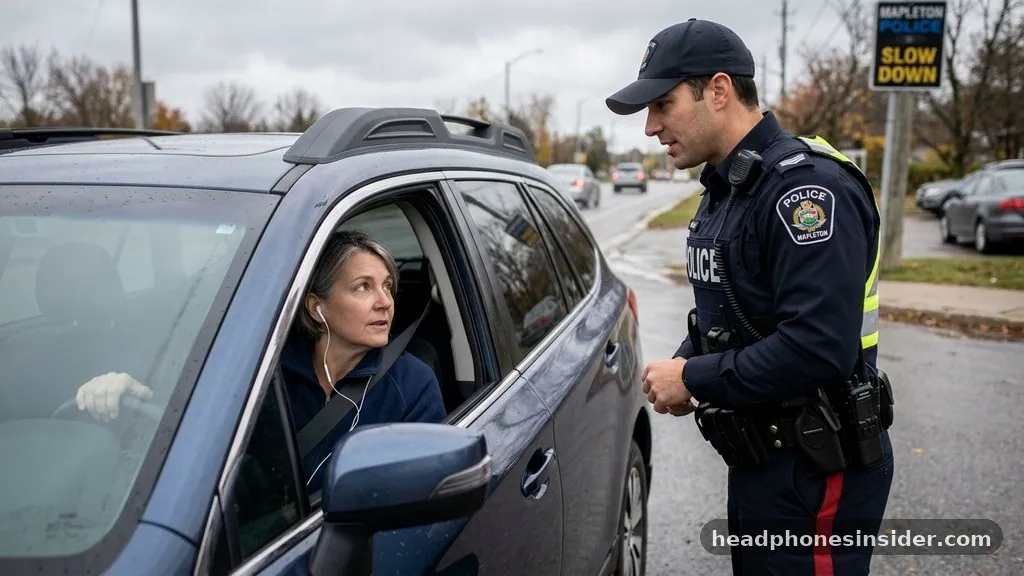
When an officer pulls a vehicle over, they often look for signs of impairment or distraction. If they observe a driver wearing headphones, it provides clear evidence that the driver’s attention may be compromised.
Even in states where there is no specific law explicitly stating it is illegal to drive with headphones, an officer can cite a driver for general negligence or reckless operation. This is particularly common if the driver fails to hear a siren or reacts slowly to traffic signals.
The subjective nature of these laws means that the enforcement can vary from one town to the next. In one county, a police officer might consider headphones a minor issue, while in the next, an officer might view them as a primary cause of an accident. This inconsistency makes it difficult for drivers to know exactly where the line is drawn.
Because the legal consequences of being involved in a car accident are severe, including potential personal injury lawsuits or increased insurance premiums, it is generally considered a best practice to avoid wearing headphones entirely while the vehicle is in motion. The risk of a citation, combined with the risk of an avoidable collision, far outweighs the convenience of listening to music or podcasts through headphones.
The Impact of Noise-Canceling Technology
Modern audio technology has introduced advanced noise-canceling features that can be particularly dangerous when used in a vehicle. These devices are designed to filter out ambient sound, which is exactly the opposite of what a driver needs to be doing. If a driver is wearing noise-canceling headphones, they are effectively nullifying their ability to hear the road, making it impossible to detect engine trouble, tire issues, or the presence of other vehicles.
The following table summarizes the general risks associated with different types of audio devices used while driving:
| Device Type | Risk Level | Impact on Awareness |
|---|---|---|
| Noise-Canceling Over-Ear | High | Complete isolation from external sounds. |
| Standard Earbuds (Both) | High | Significant reduction in environmental hearing. |
| Single Earbud (Hands-Free) | Moderate | Maintains one ear for environmental sound. |
| Vehicle Audio System | Low | Maintains full situational awareness. |
It is important to recognize that even if a specific state does not have a law on the books regarding headphones, the use of noise-canceling technology can be used as evidence of negligence in a court of law following an accident. If a personal injury attorney can prove that a driver was using noise-canceling equipment, they can argue that the driver failed to exercise reasonable care, which significantly shifts the liability in a legal case.
Best Practices for Safe Driving and Audio Usage
To maintain both legal compliance and personal safety, drivers should adopt a set of best practices that prioritize situational awareness. The primary goal is to remain connected to the road while enjoying audio content. Using the vehicle’s built-in sound system is the most responsible way to listen to music or podcasts because it allows the driver to hear external sounds while keeping their hands free and their eyes on the road.
- Avoid all forms of headphones or earbuds while driving, even if you believe your state allows for single-ear use.
- Use Bluetooth-enabled vehicle audio systems to stream content through the car’s speakers.
- If you must use a phone for navigation, utilize the car’s integrated screen or a mounted device to keep your hands on the wheel.
- Keep the volume at a reasonable level so that you can hear sirens or other warning sounds from outside the cabin.
- Plan your playlist or podcast selection before you start the engine to avoid fiddling with your phone while driving.
- Prioritize the safety of yourself, your passengers, and others on the road by keeping your auditory senses clear.
By adhering to these guidelines, drivers can significantly reduce the risk of being involved in an accident. The legal landscape regarding headphones is constantly evolving, and as more states adopt stricter distracted driving laws, it is likely that the regulations will only become more prohibitive. Staying informed and choosing the safer path is the most effective way to navigate these laws.
Conclusion and Practical Takeaways
Determining whether it is illegal to drive with headphones requires a careful look at the specific vehicle codes in your state. While some regions have clear, restrictive laws, others rely on broader interpretations of distracted driving statutes.
Regardless of the specific local regulations, the fundamental safety concern remains the same: headphones create a barrier that limits a driver’s ability to react to the environment. This loss of situational awareness is a primary contributor to accidents and can lead to significant legal and financial consequences.
To ensure you are driving responsibly, the best approach is to avoid headphones entirely and rely on your vehicle’s native audio systems. By keeping your ears open and your focus on the road, you protect yourself and everyone else in your vicinity.
If you are ever unsure about the laws in a new area, it is always safer to err on the side of caution. Staying alert and avoiding unnecessary distractions is the hallmark of a skilled and professional driver.
Frequently Asked Questions
Is it illegal to wear headphones in both ears while driving?
In many states, it is explicitly illegal to wear headphones in both ears because it prevents the driver from hearing emergency sirens and other traffic warnings. Even in states without specific laws, it is often classified as distracted driving, which can lead to significant legal consequences.
Can I wear one earbud while driving to stay legal?
While some states may allow the use of a single-earpiece for hands-free communication, it is not a universal rule. Using one earbud can still be considered distracted driving if a police officer determines that your attention or hearing is compromised, potentially leading to a traffic citation.
What happens if I get into an accident while wearing headphones?
If you are involved in a car accident while wearing headphones, their use can be cited as evidence of negligence. This can lead to increased liability in personal injury claims, higher insurance premiums, and potential legal penalties, as it suggests you were not fully aware of your surroundings.
Does the 60/60 rule apply to driving?
The 60/60 rule—listening at 60% volume for no more than 60 minutes—is a guideline for hearing health, not driving safety. Even at lower volumes, wearing headphones creates a physical barrier to external sounds, which is the primary safety issue when operating a vehicle.