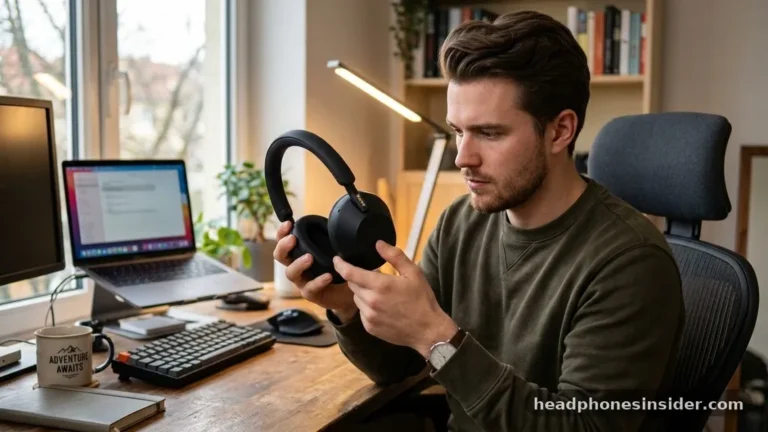
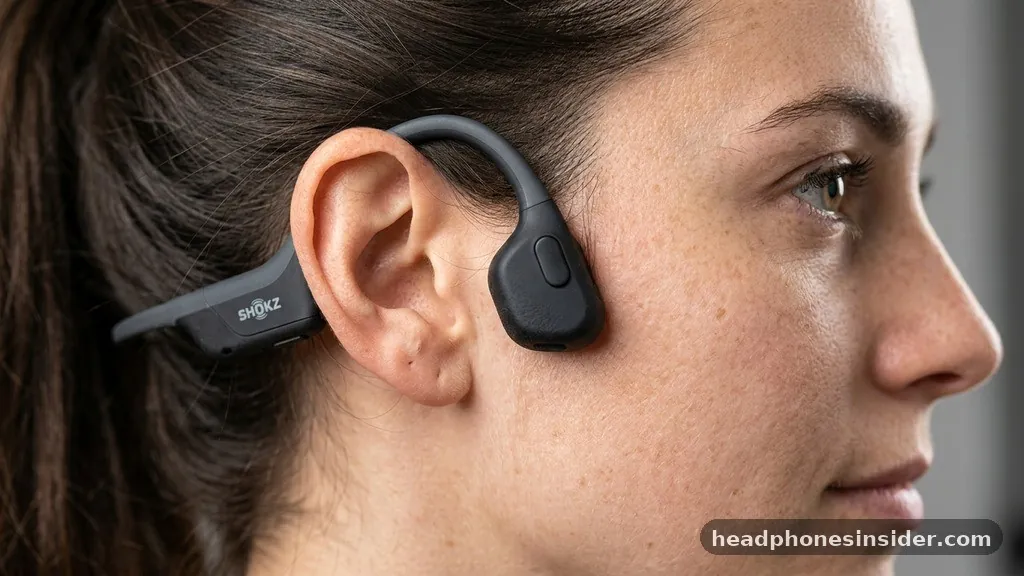
Learning how to wear Shokz headphones correctly is the key to unlocking the full potential of their unique bone conduction technology. Unlike traditional earbuds that plug into your ear canal, these devices rest on your cheekbones, leaving your ears completely open to the environment.
Because the design is so distinct, many new users struggle to find the “sweet spot” where the audio is crisp and the frame feels secure. Whether you are using the latest Shokz Open series or a classic model, mastering the fit ensures you get the best sound quality while maintaining the situational awareness that makes these open-ear devices so popular among athletes and commuters.
Understanding the Mechanics of Bone Conduction

To wear your Shokz correctly, you must first understand that they function differently than conventional ear headphones. Bone conduction technology transmits vibrations through your cheekbones directly to the inner ear, bypassing the eardrum entirely.
This is why the transducer pads—the part of the device that rests on your face—must maintain consistent, light contact with your skin. If the pads are hovering or sitting on soft tissue rather than bone, the energy transfer is dampened, leading to thin or quiet audio.
When you put on your device, the goal is to position the transducers just in front of your ears, resting firmly against the zygomatic bone. This specific placement allows the vibrations to travel efficiently, providing a rich, full-bodied audio experience.
If the fit is too loose, you might experience a tickling sensation from excessive vibration rather than clear music; if it is too tight, you may experience unnecessary pressure on your temples. Finding the balance is not just about audio fidelity; it is about long-term comfort during extended listening sessions, whether you are running a marathon or sitting at a desk.
Step-by-Step Guide to Achieving the Perfect Fit
Achieving a comfortable fit starts with how you initially place the titanium frame around your head. The frame is designed to be flexible, but it should not be forced. Follow these steps to ensure you have the device positioned correctly for maximum stability and performance:
- Hold the headset in a U-shape, with the transducers facing inward toward your cheeks.
- Place the band behind your head, resting it against the base of your skull or the nape of your neck, depending on your head shape.
- Hook the ear loops over your ears, similar to how you would put on a pair of eyeglasses.
- Adjust the transducer pads so they sit directly on the cheekbones, just forward of the tragus (the small bump of cartilage in front of your ear canal).
- Ensure the tension of the band is holding the transducers firmly against your skin without feeling like it is squeezing your head.
If the device feels like it is sliding, you may need to adjust the angle of the ear loops. Sometimes, pulling the band slightly forward or backward on the ears can change how the weight is distributed, significantly improving the stability during high-intensity movement like sprinting or cycling.
Managing Shokz Headphones with Glasses
One of the most common questions regarding how to wear Shokz headphones involves the interaction between the device and eyewear. Because both items compete for the space behind and above your ears, users often worry about discomfort. Fortunately, the thin titanium frames of most Shokz models are engineered specifically to be compatible with headphones glasses or standard prescription frames.
To wear them together, place your glasses on your face first. Once your glasses are secure, slide the Shokz ear loops over the arms of your glasses. By placing the Shokz frame on the outside, you prevent the pressure of the headset from digging the glasses arms into the side of your head.
If you find that the two are still clashing, try adjusting the glasses slightly further down your nose or repositioning the Shokz ear hooks to sit slightly lower. The goal is to create a “sandwich” effect where the two items sit parallel to each other. Many users find that after a few minutes of use, the materials settle, and the combined setup becomes nearly unnoticeable, allowing you to enjoy the benefits of vision correction and high-quality audio simultaneously.
Optimizing for Different Activities

The way you wear your device should change slightly depending on your activity. For casual listening at home, you might prefer a looser fit that puts less pressure on your skin.
However, if you are engaging in vigorous exercise, you need a more secure fit to prevent the device from bouncing. When you are swimming or performing heavy cardio, ensure the band is pulled snugly against the back of your head.
For those using the waterproof models designed for the pool, the fit is even more critical. Water can act as a barrier between the transducer and your skin, often muffling the sound.
When you are in the water, you may need to press the transducers slightly firmer against your cheekbones to compensate for the liquid medium. Always make sure to rinse the device with fresh water after a session in a pool or the ocean to prevent salt or chlorine buildup, which can irritate the skin where the pads make contact.
Technical Comparison of Fit Styles
Different Shokz models have slightly different form factors, which can influence how they sit on your head. Understanding these nuances helps you troubleshoot fit issues more effectively.
| Model Type | Fit Profile | Best For |
|---|---|---|
| Wraparound Titanium | High tension, secure | Running, cycling, high-intensity sports |
| Ear-Hook (OpenFit) | Soft, ergonomic | Office work, podcasts, long-duration wear |
| Waterproof Series | Tight seal required | Swimming, surfing, aquatic training |
As shown in the table above, the “wraparound” style is built for movement, relying on the natural tension of the titanium frame to stay in place. Conversely, the newer “ear-hook” styles prioritize a soft, weightless feel, which is excellent for those who find the pressure of traditional bone conduction frames to be distracting during sedentary tasks.
If you are experiencing discomfort, identify which category your device falls into and adjust your expectations accordingly. For those who want to learn more about the engineering behind these designs, you can visit the National Institute on Deafness and Other Communication Disorders to understand the science of hearing and vibration.
Troubleshooting Common Fit and Audio Issues
If you have tried the steps above and still feel the device is not quite right, do not give up. Often, the issue is a simple matter of geometry. If the sound feels “leaky” or weak, it is almost always because the transducer is not making proper contact with the bone.
Try moving the transducer in small, circular motions around your cheekbone area until you find a position where the audio suddenly sounds fuller and richer. This “sweet spot” is different for everyone due to variations in facial structure.
Another common issue is the sensation of “tickling” at high volumes. This is a common side effect of bone conduction, as the physical vibration is more intense. If this bothers you, try lowering the volume slightly and increasing the seal against your cheekbone.
By improving the efficiency of the vibration transfer, you can often achieve the same perceived volume with less raw power, which reduces the tickle effect and saves battery life. If the frame feels too large, some models come with adjustment straps or silicone grips that can help cinch the band closer to your head, providing that locked-in feeling required for aggressive movement.
Conclusion and Next Steps
Mastering how to wear Shokz headphones is a process that rewards experimentation. By focusing on the placement of the transducers on your cheekbones and ensuring the titanium frame is correctly balanced with your glasses or hair, you can achieve a listening experience that feels both natural and incredibly secure. Remember that the goal is to maintain a consistent connection with your skin while keeping your ears clear, allowing you to stay connected to your environment without sacrificing the quality of your music or calls.
As you continue to use your device, pay attention to how small adjustments to the angle of the ear loops change the sound profile. If you find yourself struggling with the fit, take a moment to reset the headset entirely, starting from the position behind your neck.
With a little practice, the process will become second nature. We hope this guide helps you find the perfect fit—let us know if you have any other tips that worked for your specific head shape or activity level!
Frequently Asked Questions
Can I wear Shokz headphones if I have a small head?
Most Shokz models feature a flexible titanium frame designed to accommodate various head sizes. If you find the standard fit too loose, look for “Mini” versions of specific models, which are designed with a shorter frame specifically to provide a snugger, more secure fit for smaller head shapes.
Why does the sound feel weak when I wear my Shokz?
A weak sound typically indicates that the transducer pads are not making direct, firm contact with your cheekbones. Ensure that the pads are resting on bone rather than soft tissue or hair. If the frame is too far from your head, the vibrations lose energy before reaching your inner ear.
Are Shokz comfortable to wear for an entire workday?
Yes, because they do not enter the ear canal, they are generally much more comfortable than traditional earbuds for long-term use. They avoid the common issues of ear fatigue and moisture buildup. If you experience pressure, ensure the frame is not being pinched by glasses or heavy headwear.
How do I wear Shokz when I have long hair?
For users with long hair, it is best to pull your hair back or tie it up before putting on the headset. If you wear the band over your hair, the fabric or strands can create a barrier between the transducer and your skin, which significantly muffles the audio and reduces the effectiveness of the vibration transfer.